



This winter, Delhi is transforming into a vast, open-air museum. A major art and design event is set to take over the city’s most beloved monuments, blending ancient heritage with cutting-edge contemporary creativity for an unforgettable cultural experience.
A City Becomes the Canvas
Prepare to see Delhi like never before. The India Art, Architecture & Design Biennale 2026, simply called the India Biennale, will unfold across the capital from December 4, 2026, to March 21, 2027. Presented by the Ministry of Culture, this 108-day event is the second edition, expanding dramatically from its debut in 2023. The vision is ambitious: to use the city itself as a canvas, creating a dialogue between its rich historical legacy and modern artistic expression. The theme, 'Tat Tvam Asi' or 'You Are That', is an invitation to pause and find connections between art, community, and place in an age of distraction.
Where History Meets Contemporary Art
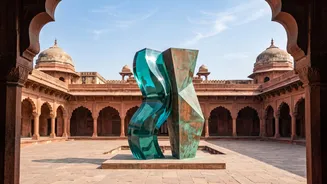
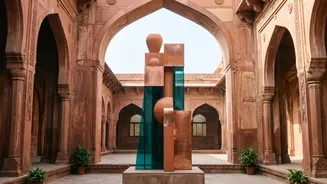
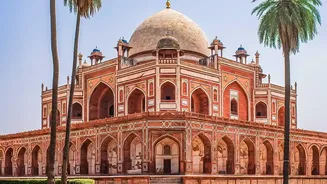
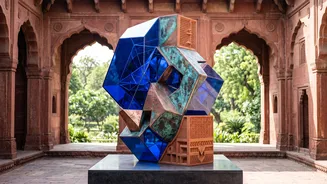
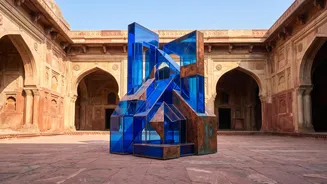
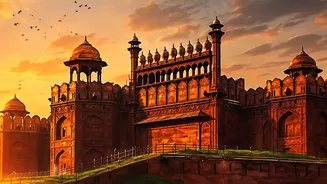
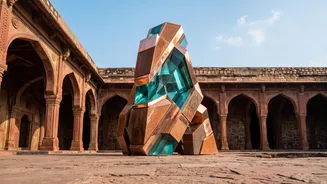
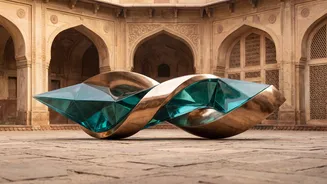
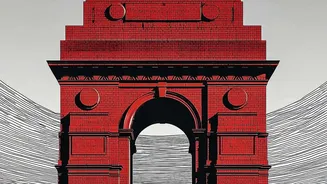
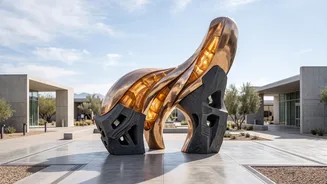
The festival's magic lies in its venues. Instead of being confined to galleries, artworks will be installed directly within the grounds of Delhi's most iconic landmarks. Purana Qila serves as the main hub, but the art trail extends to Qutub Minar, Red Fort, Humayun's Tomb, Safdarjung Tomb, Jantar Mantar, and Lodhi Garden, among others. Imagine site-specific sculptures responding to the architecture of a Mughal tomb, or immersive light projections illuminating ancient walls. More than 20 countries are expected to participate, bringing a global perspective to these historic sites. Specific exhibitions already announced include 'Varanasi the Timeless' at Qutub Minar and projects by the Italian Cultural Institute at Humayun's Tomb.
Beyond the Monuments: A City-Wide Celebration
The Biennale's reach goes far beyond heritage sites. The programme connects a web of cultural institutions, turning the entire city into an integrated festival zone. Major cultural hubs like the National Gallery of Modern Art (NGMA), the National Museum, India Habitat Centre, and Indira Gandhi National Centre for the Arts (IGNCA) will host exhibitions and events. This city-wide approach encourages exploration, inviting visitors to journey from a 16th-century fort to a modern art gallery, experiencing different facets of the festival. Free electric shuttle buses will even connect key venue clusters, making it easier for visitors to navigate the sprawling event.
Planning Your Visit: Tickets and Tips
Attending the Biennale has been made simple with a unified ticketing system. A single 'Biennale Pass' grants access to all participating monuments and their respective exhibitions, eliminating the need to buy separate entry tickets for each site. Passes are available in several categories, from a 'One Day Pass' to a 'Full Season' option, with prices starting from around ₹100. Visitors can book their passes through the official event website. Given the scale of the event, it's wise to plan your itinerary in advance. You might dedicate one day to the main venue at Purana Qila, another to the Mehrauli Archaeological Park, and a third to the cultural institutions in and around the central secretariat area.