




1. Bottle Gourd (Lauki/Dudhi)
Often underrated, the humble bottle gourd is a true monsoon champion. This pale green vegetable is incredibly hydrating and light on the stomach, making it perfect for a season when digestion can be sluggish. According to Ayurveda, lauki has a cooling
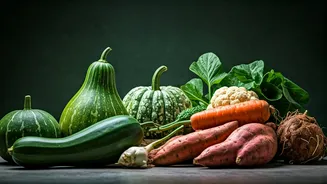
effect on the body and is packed with water (about 92%) and essential minerals. Its subtle flavour makes it a versatile ingredient, absorbing the masalas of any dish it’s cooked in. From simple, home-style lauki ki sabzi and comforting lauki chana dal to decadent lauki ka halwa, this gourd proves its worth in kitchens across the country.
2. Bitter Gourd (Karela)
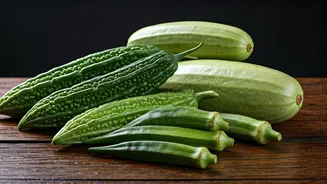
For many, karela is an acquired taste, but its return during monsoon is celebrated by health-conscious households. Its bitterness is a sign of its potent medicinal properties. Traditionally believed to be a natural blood purifier, bitter gourd is excellent for managing blood sugar levels and boosting immunity, which is crucial during a season known for infections. Indian cuisine has mastered the art of making this vegetable delicious. Whether it’s stuffed with a spicy mixture (bharwa karela), sliced thin and fried to a crisp, or added to a tangy gravy, the monsoon provides the perfect excuse to embrace the goodness of bitter gourd.
3. Pointed Gourd (Parwal)
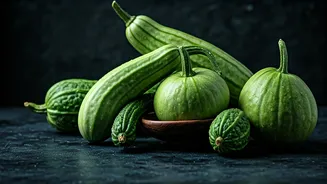
A staple in Eastern and Northern India, parwal is a small, green-striped vegetable that thrives in the monsoon’s humid climate. Rich in fibre, vitamins A and C, it’s known for aiding digestion and keeping common colds and flu at bay. Its texture is firm yet tender, and it has a mild taste that makes it adaptable to various cooking styles. It can be fried with potatoes for a simple Aloo Parwal, simmered in a rich, yogurt-based gravy for Dahi Parwal, or used to make the famous Bengali sweet, Potoler Dolma. Its versatility ensures it’s a constant feature on the dining table throughout the rainy months.
4. Corn on the Cob (Bhutta)
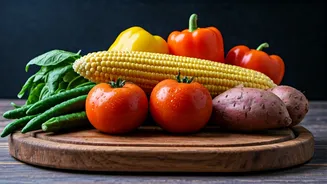
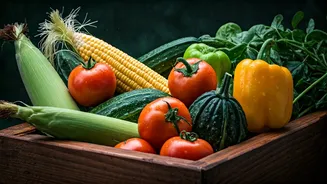
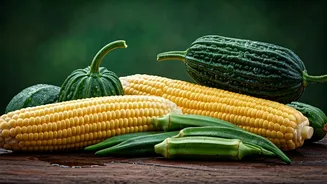
Is it truly monsoon if you haven’t enjoyed a roasted bhutta? While technically a grain, corn is inseparable from the season’s culinary landscape. The sight of street vendors fanning charcoal embers, roasting corn until it’s lightly charred, and rubbing it with lemon, salt, and chilli powder is an iconic monsoon memory. Beyond the nostalgia, bhutta is a good source of fibre and complex carbohydrates, providing sustained energy. Whether you prefer it roasted, boiled, or as kernels in a spicy chaat, corn is the quintessential monsoon snack that brings people together.
5. Indian Squash (Tinda)
Also known as round gourd, tinda is another vegetable that is gentle on the digestive system. Its high water content and mild flavour make it a favourite in many North Indian households, especially during the hot and humid months. It’s often cooked in a simple tomato and onion gravy, sometimes with potatoes or stuffed with spices. Tinda is low in calories but rich in antioxidants, contributing to overall well-being during a season when it's important to eat light yet nutritious food. It’s the ultimate comfort vegetable, perfect for a simple, satisfying meal on a rainy day.
6. A word on Leafy Greens (Saag)
While many leafy greens are available, the monsoon brings specific varieties like red amaranth (chaulai saag) to the forefront. These greens are packed with iron and vitamins. However, the monsoon is also a time when leafy vegetables can harbour more dirt and microbes due to the damp conditions. The age-old wisdom passed down through generations is to be extra cautious. Always wash your greens thoroughly, perhaps by soaking them in salt or turmeric water for a few minutes before rinsing and cooking them well. This ensures you get all the nutrients without any of the risks.