







The Speed vs. Safety Dilemma
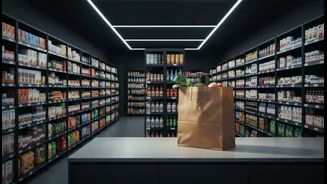
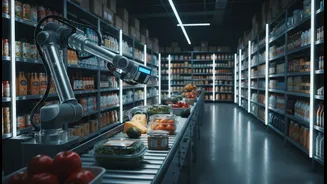
Quick-commerce platforms thrive on delivering groceries in minutes, operating from 'dark stores' scattered across cities. While this model is efficient, the race against the clock can create gaps in quality control. Recent FSSAI notices to a popular quick-commerce
service highlight these risks, citing complaints of expired, spoiled, and unsafe food being delivered. Unlike a supermarket where you inspect items yourself, you're trusting the platform's workers. Understanding this helps you know what to check when your order arrives. This isn't about distrusting the service, but about being an informed consumer.
Your First Check: At the Doorstep
Your diligence should begin the moment the delivery arrives. Don't just grab the bags and close the door. Take a quick look, especially at perishable items. Are frozen goods still solid? Do items like milk and cheese feel cool? A delivery bag that isn't properly insulated is a red flag. The 'cold chain' — maintaining a constant low temperature — is vital. A break in this chain, even for a short time, can allow harmful bacteria to grow. If a tub of ice cream is soupy or milk feels warm, it's best to reject it on the spot. Most apps make it easier to handle this while the delivery person is present.
Decoding Labels: Expiry vs. Best Before
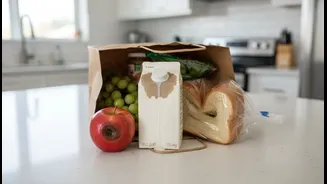
Indian food packaging labels are your best friend for safety. The FSSAI regulates these, and it's crucial to know the difference between dates. 'Expiry Date' or 'Use By' is a strict deadline for safety, especially for perishables like milk, bread, and meat. Never consume food past its expiry date. 'Best Before' indicates quality. The food is likely still safe to eat after this date, but the taste or texture might decline. A recent survey found many quick-commerce apps fail to display these dates online, making it vital to check them upon delivery.
The Cold Chain Is Crucial
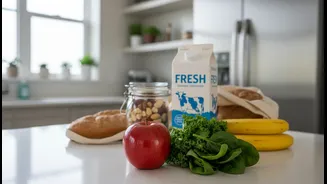
The cold chain refers to the unbroken journey of refrigerated products. Any break can compromise safety. For quick-commerce, this is a major vulnerability. When your frozen peas, chicken, or ice cream arrive, check for signs of thawing and refreezing, like excessive ice crystals inside the package or a misshapen product. For dairy like paneer, check that the packaging isn't puffy, which can indicate bacterial activity. Reliable services use insulated bags, often with ice packs, to maintain the temperature right to your door. Anything less is a risk.
Inspecting Fresh Produce
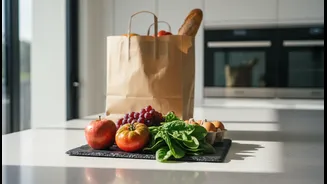
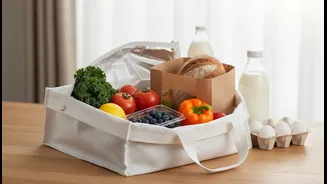
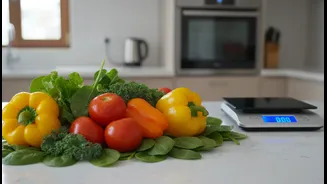
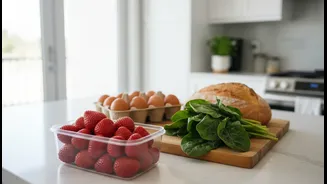
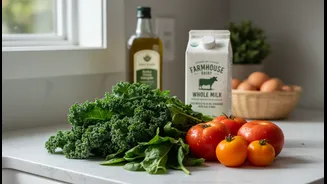
The quality of fresh fruits and vegetables is a common gamble with online orders. Since you can't pick them yourself, inspect them immediately upon arrival. Look for wilting, yellowing, or slimy leaves in greens. Check for mould, soft spots, bruising, or an off smell on items like tomatoes or bananas. Common complaints involve receiving produce that is either unripe or on the verge of spoiling. Don't store subpar produce with your other groceries, as mould can spread quickly from one item to another.
Taking Action When It's Wrong
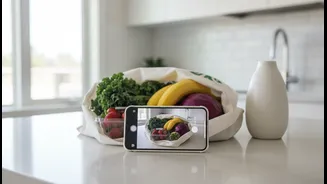
If you find a spoiled or expired item, act immediately. Don't just throw it away. Every major quick-commerce app in India has a customer support section. Take clear pictures of the product, highlighting the mould, broken seal, or expiry date. Most platforms have a straightforward process for refunds or replacements. Prompt reporting is key; don't wait hours or days. Your feedback not only helps you get your money back but also alerts the company to potential issues in their specific dark stores or supply chain, which can lead to improvements.