







Nothing derails a road trip faster than a battle with your own stomach. That familiar feeling of bloating, sluggishness, and discomfort isn't just bad luck; it's often a direct result of how we eat and move—or don't move—on the road.
Why Your Gut Hates Long Drives
Long hours in a car
create a perfect storm for digestive distress. Your body is designed for movement, which helps stimulate the rhythmic contractions that move food through your digestive tract. When you sit for extended periods, your gut motility slows down, leading to gas buildup, bloating, and constipation. The typical posture in a car seat can also compress your abdomen, further hindering digestion. This inactivity is often combined with changes in routine and diet. The quick, convenient options at service stations are usually high in salt, unhealthy fats, and sugar, which can disrupt your gut, cause water retention, and leave you feeling even more sluggish.
The Heroes of Your Snack Bag
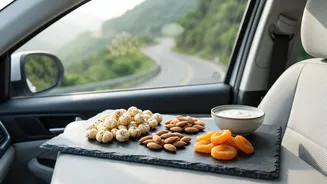
Packing a strategic snack bag is your best defense. Focus on whole foods that are rich in fiber, protein, and healthy fats to keep you full and your digestive system happy. Fiber is particularly important for preventing travel-related constipation. Good options include apples, pears, and berries, which are also hydrating. Unsalted nuts and seeds like almonds and pumpkin seeds provide lasting energy with protein and healthy fats. For something more substantial, hard-boiled eggs, individual portions of Greek yogurt, or quality meat sticks offer a satisfying protein boost. Whole-grain crackers or popcorn can satisfy a craving for something crunchy without the grease and salt of typical chips.
Snacks to Skip at the Service Station
Just as important as what you pack is what you avoid. Greasy fast food, sugary sweets, and overly salty chips are common culprits for digestive upset. Fried and fatty foods are hard to digest and can slow your system down even more. Salty snacks, from pretzels to processed meats, cause your body to retain water, leading to that puffy, bloated feeling. Carbonated beverages, including sodas and sparkling water, introduce excess gas directly into your digestive system, which is the last thing you need when you're already feeling bloated from sitting still. It's also wise to be cautious with foods that are known to be gas-producing even when healthy, such as beans, broccoli, and cabbage, as their effects can be amplified when you're sedentary.
Hydration Is Your Co_Pilot
Dehydration is one of the biggest and most common causes of travel_related constipation. When you don't drink enough water, your system slows, and your body absorbs more water from your waste, making it harder to pass. Aim to sip water consistently throughout your drive. Carry a reusable water bottle and refill it at every stop. While it might be tempting to rely on coffee or energy drinks to stay alert, caffeine and alcohol are diuretics, meaning they can contribute to dehydration and make digestive issues worse. Plain water is always the best choice, but if you want some flavor, try unsweetened iced tea or water infused with a slice of lemon or cucumber.
Eat Small, Move Often
Instead of having one or two large, heavy meals, try to eat smaller snacks more frequently. This approach keeps your digestive system working at a steady pace without overloading it. It also helps maintain stable blood sugar and energy levels, preventing the 'hanger' that can lead to poor choices at the next rest stop. Beyond snacking, remember to incorporate movement. Whenever you stop for fuel or a bathroom break, take a few minutes to walk around and stretch. Even small movements can help stimulate your gut and counteract the effects of sitting for hours.