




Nigella Seeds: The Smoky, Onion-like Gem
Often mistaken for black sesame, nigella seeds (kalonji) are entirely different. These small, dark seeds pack a surprisingly complex flavour that is smoky, slightly bitter, and reminiscent of toasted onion and oregano. They are a cornerstone in many Indian
and Middle Eastern cuisines. To use them in a curry, add a teaspoon to your hot oil or ghee at the beginning of the cooking process, a technique known as tempering or tadka. Let them sizzle for just a moment until they become aromatic. This releases their essential oils and infuses the entire dish with a subtle smokiness that pairs beautifully with potato, lentil, and vegetable-based curries. They work well alongside other spices like cumin and fenugreek, enhancing rather than overpowering the final dish.
Carom Seeds: The Pungent Digestive Aid
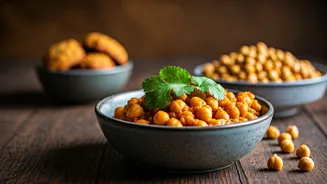
Carom seeds, or ajwain, are tiny but mighty, with a powerful flavour profile similar to thyme and oregano but with a sharper, more pungent kick. A little goes a long way, so use them sparingly to avoid overwhelming your dish. Traditionally valued in Ayurveda for its digestive properties, ajwain is fantastic at cutting through rich, starchy, or fatty foods. This makes it a perfect addition to chickpea curries, potato dishes (aloo sabzi), and lentil dals. Like nigella seeds, ajwain is best used in a tadka, fried briefly in hot oil to release its flavour. You can also incorporate it into the marinades for chicken or fish, where its sharp notes help to tenderise and flavour the protein before it even hits the pan.
Fenugreek Seeds: The Bittersweet Powerhouse
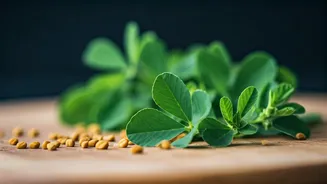
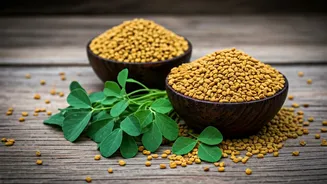
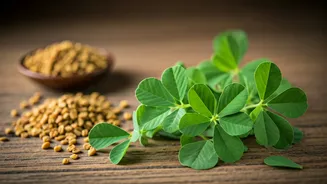
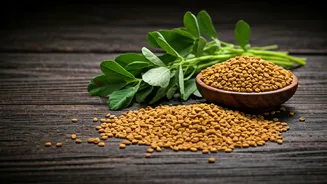
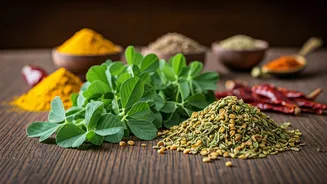
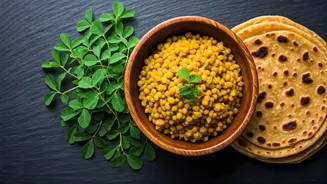
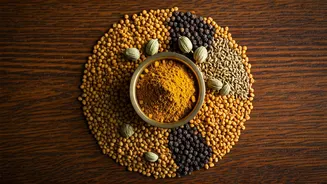
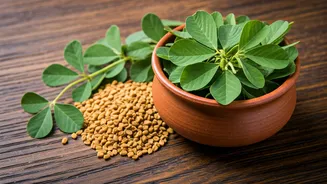
Fenugreek seeds (methi dana) are often approached with caution due to their inherent bitterness. However, when handled correctly, they impart a wonderful nutty, slightly sweet, maple-like aroma that adds incredible depth to a curry. The key is to tame their bitterness. You can do this by either dry-roasting them in a pan for a minute until they darken slightly or by letting them sizzle in hot oil for about 30-45 seconds. Be careful not to burn them, which will only intensify the bitterness. Another method is to soak them in water for a few hours. Once tempered, they are a classic ingredient in many lentil and vegetable dishes, and ground fenugreek is a common component of spice blends like panch phoran and garam masala. They also offer health benefits, including aiding digestion and helping to regulate blood sugar.
Black Cardamom: The Bold, Smoky Pod
While not a seed in the same way as the others, the power of black cardamom (badi elaichi) lies within the seeds of its large, dark pod. Unlike the floral sweetness of green cardamom, black cardamom is intensely smoky, earthy, and resinous, thanks to being dried over an open flame. This makes it an ideal spice for rich, slow-cooked dishes rather than delicate desserts. It provides a deep, savoury backbone to meat curries like rogan josh and nihari, as well as hearty lentil dishes like dal makhani. Typically, one or two whole pods are lightly crushed and added to the hot oil at the start of cooking, allowing their complex flavours to infuse the dish over a long simmer. The pods are usually removed before serving.
Dill Seeds: The Unexpectedly Bright Note
Dill seeds (suva) are often associated with pickling, but in Indian cuisine, they offer a unique, tangy, and slightly sweet flavour that’s a cross between anise and caraway. They are less intense than fennel seeds and bring a refreshing brightness to curries. Dill seeds are particularly wonderful in dishes featuring leafy greens, potatoes, or lentils, where their light, aromatic quality can shine. They can be added to a tadka along with mustard and cumin seeds to form a fragrant base for your curry. Beyond their flavour, dill seeds have been traditionally used to aid digestion, reduce inflammation, and calm an upset stomach, making them a healthy and delicious addition to your spice collection.