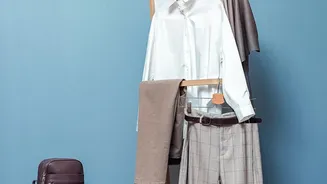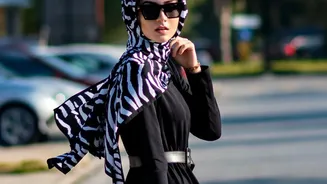




The right belt does more than hold up your jeans—it anchors your entire look. But how do you get it right without looking like you tried too hard? The secret lies in subtlety, proportion, and knowing a few key guidelines.
Start with Proportions: Match the Belt to the Jean
Before you even think about colour,
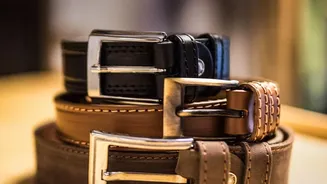
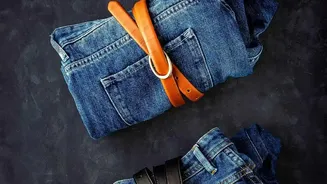
consider the width of the belt. The number one rule is that the belt should match the scale of the jeans. The standard, can’t-go-wrong width for a casual belt with denim is 1.5 inches (about 38mm). This size fills the belt loops of most jeans comfortably, looking balanced and intentional. A dress belt, which is typically slimmer at around 1.25 inches, can look lost and out of place on a pair of rugged jeans. Conversely, an extra-wide belt might overwhelm a pair of slim-fit jeans. So, check your loops. A 1.5-inch full-grain leather belt is the quintessential choice for most denim styles, from straight-leg to relaxed fits. For slimmer, more tailored denim, you can consider a slightly narrower 1.25-inch belt, but view it as a deliberate style choice for a more refined look.
The Understated Buckle
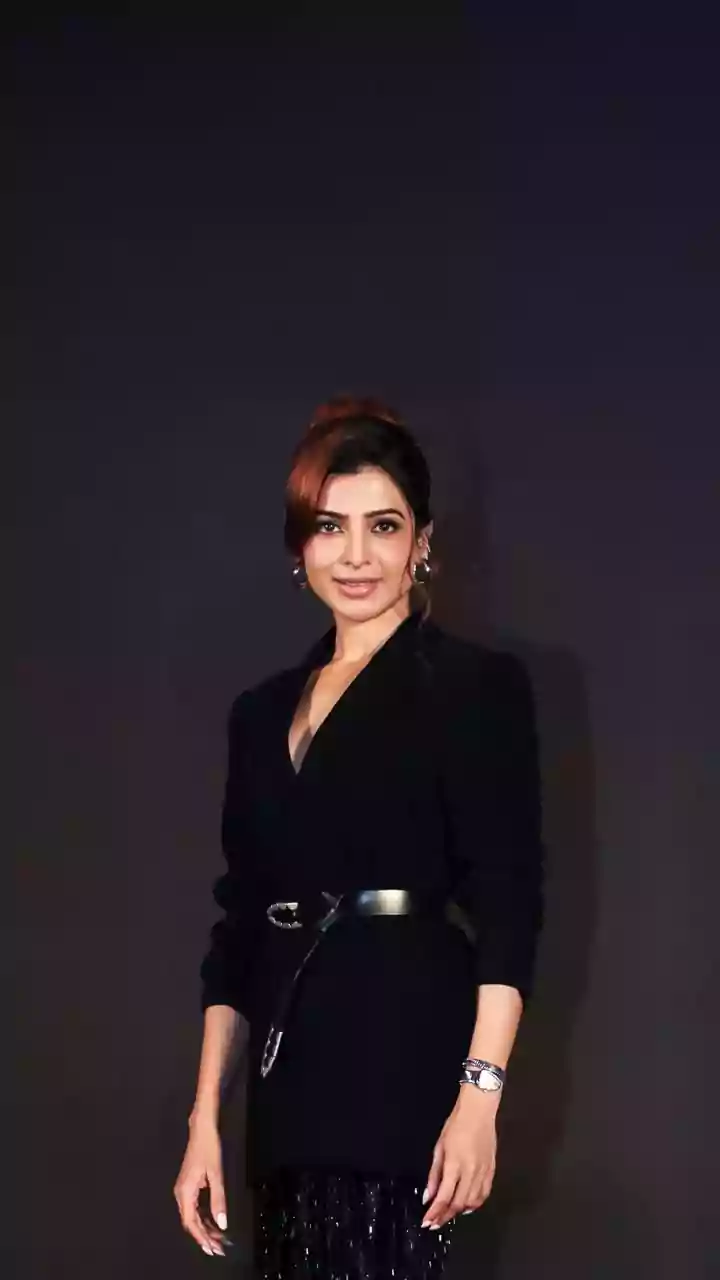
The goal is to avoid overstyling, and the buckle is where many people go wrong. A huge, flashy, or overly branded buckle can easily dominate your outfit and cheapen your look. To keep things tasteful, opt for a classic and simple buckle. A standard prong or frame-style buckle in a modest size is the most versatile option. The finish of the metal also matters. Generally, you can coordinate the buckle's metal with other accessories like your watch. A simple brass or antique-brass finish pairs naturally with brown leather and blue denim, while matte black or brushed silver buckles offer a more modern, subtle punctuation. Unless you are intentionally aiming for a specific, bold aesthetic like a Western or Y2K look, keeping the buckle simple ensures it complements your outfit instead of competing with it.
Coordinate, Don't Obsess, Over Colour
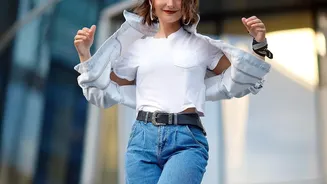
The age-old rule is to match your belt leather to your shoe leather exactly. While this is still a great guideline for formal wear, it's more relaxed in a casual context with jeans. The modern approach is to coordinate, not necessarily match perfectly. A cognac brown belt will work well with dark brown boots. The key is to stay within the same colour family. Brown with brown and black with black is a safe and stylish bet. Brown is generally the most versatile colour for blue jeans, offering a classic, relaxed feel. Black belts tend to look sharper, pairing well with black or grey jeans, or with dark indigo denim for a dressier feel. If you're wearing sneakers, you have even more flexibility. You can match the belt to the jeans to create a longer leg line or pick a neutral brown or black that just works with the overall outfit.
Consider the Material and Texture
Not all belts are made of smooth, polished leather. In fact, wearing a shiny dress belt with casual jeans is a common style misstep. The material of your belt should complement the casual nature of denim. A full-grain leather belt is the top choice for its durability and the rich character it develops over time. Distressed or textured leather pairs beautifully with faded, worn-in denim, creating a cohesive, rugged look. Suede is another fantastic option that adds a soft texture and can bridge the gap between casual and smart casual. For a more laid-back or skate-inspired vibe, a canvas or woven belt is a great choice, offering a touch of colour and a more relaxed feel. The key is to match the formality of the belt material to the rest of your outfit.
To Tuck or Not To Tuck
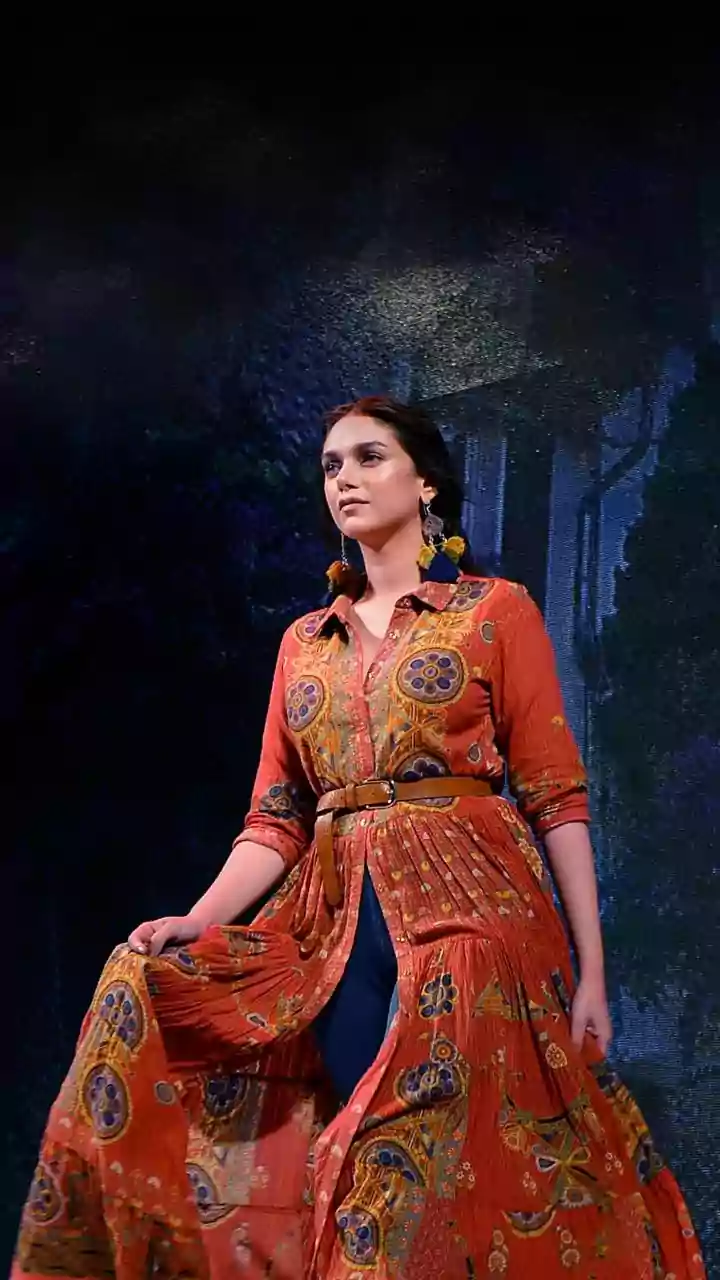
Finally, remember that a belt is only a style statement if it can be seen. If you're wearing an untucked shirt, the belt is purely functional, and you can even skip it if your jeans fit well. However, the moment you tuck in your shirt—even just a partial 'French tuck'—the belt becomes a key accessory. A fully tucked shirt makes the belt a central part of your silhouette, defining the line between your upper and lower body. A front-tuck showcases the buckle and the front of the belt, adding a point of interest without being overly formal. How you tuck your shirt determines how much of the belt is on display, directly impacting its role in your outfit. If you're showing the waistband, it's almost always better to have a belt filling the loops to avoid looking unfinished.