


It’s a familiar story: you start your day with a healthy fruit smoothie, only to feel your stomach rumbling by 11 a.m. While delicious, fruit-only smoothies often lack the staying power to get you to lunch. Enter the ancient grain solution.
The Secret to Staying Full
The feeling
of being full, or satiety, is the key to avoiding those mid-morning snack attacks. This is where millet-based smoothies have a significant advantage. Millets are ancient grains that have been a staple in Indian diets for centuries, and science now confirms what our ancestors knew: they keep you satisfied for longer. A systematic review found that millet-based foods can increase the feeling of fullness and delay hunger by slowing down how quickly your stomach empties. When you add cooked millet to your smoothie, you're not just adding texture; you're adding a powerful blend of nutrients designed for sustained energy.
The Science of Satiety
What makes millets so effective? It comes down to a trio of nutritional powerhouses: complex carbohydrates, fibre, and protein. Unlike the simple sugars found in many fruits, the complex carbs in millets break down slowly, providing a steady release of energy instead of a quick spike and crash. Millets are exceptionally rich in dietary fibre, containing up to 30 times more than white rice. This fibre forms a gel-like substance in the stomach, which physically slows digestion and keeps you feeling full. Furthermore, the protein content in millets helps regulate appetite hormones and increases insulin sensitivity, which helps manage blood sugar response and hunger cues.
Why Fruit Alone Often Fails
A smoothie made only of fruits, while packed with vitamins, is often high in simple sugars like fructose. When blended, these sugars are quickly absorbed into your bloodstream, causing a rapid rise in blood sugar. Your body responds with a surge of insulin to bring those levels down, which often leads to an energy 'crash' and a return of hunger pangs shortly after. Millets, on the other hand, have a generally low to medium glycemic index (GI), meaning they release glucose into the bloodstream more gradually. This prevents the dramatic blood sugar rollercoaster that leaves you reaching for another snack.
Choosing Your Millet
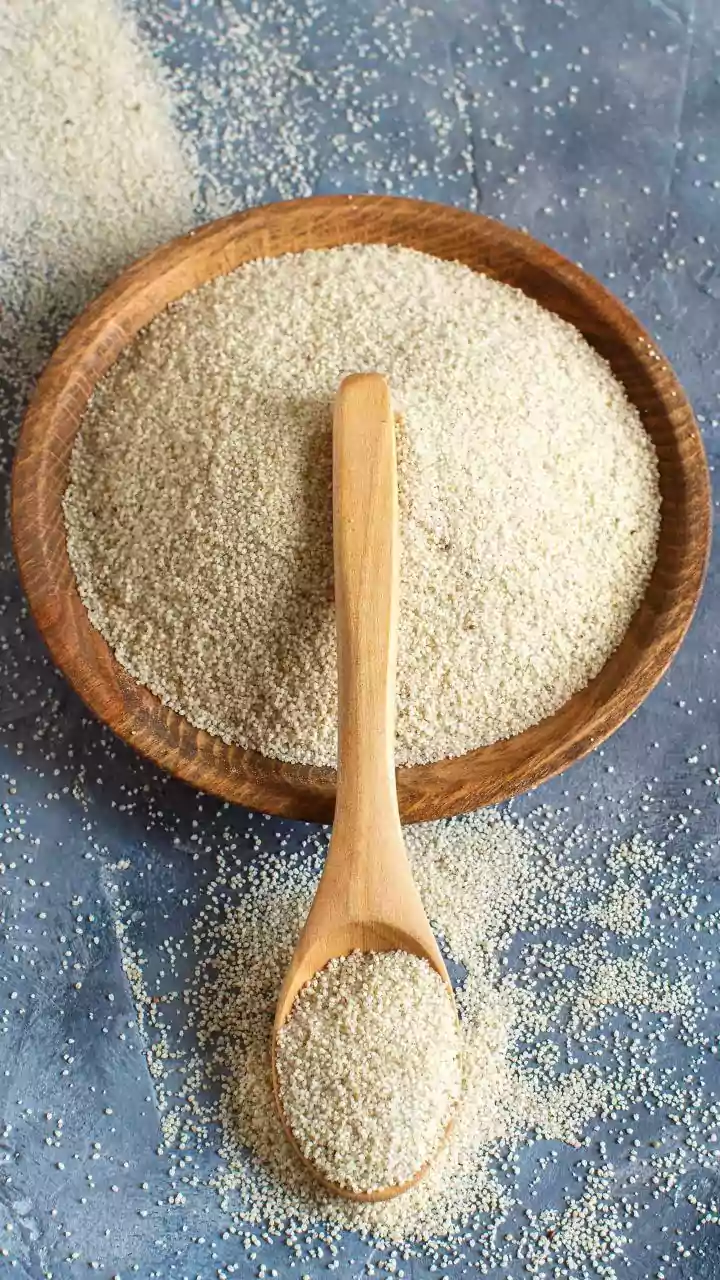
India is home to a wide variety of millets, each with unique benefits. For smoothies, some of the best choices are those with mild flavours that blend well: Finger Millet (Ragi) is a calcium powerhouse and its flour can be easily cooked into a porridge before blending. Foxtail Millet (Kangni/Thinai) is often recommended for its high protein and fibre content. Barnyard Millet (Sanwa) has one of the lowest glycemic indexes, making it an excellent choice for blood sugar stability. You can also use Pearl Millet (Bajra) or Little Millet (Kutki). The key is to use unpolished millets to retain the maximum amount of fibre and nutrients.
How to Make a Millet Smoothie
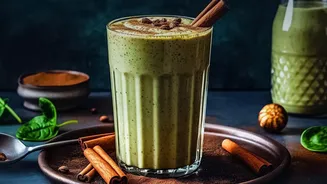
Incorporating millets into your smoothie is simple. You can't just throw raw grains in the blender; they need to be cooked first. Start by cooking about 1/4 cup of your chosen millet until it's soft, then let it cool. You can even cook a larger batch and store it in the fridge for a few days. Once cooled, add 2–3 tablespoons of the cooked millet to your blender along with your favourite fruits like banana or berries, a liquid like milk or coconut milk, and healthy fats like nuts or seeds. The cooked millet adds a creamy, thick texture, transforming your drink into a more substantial and satisfying meal that will genuinely last you all morning.