







A New Travel Mindset
A significant shift is underway in how young Indians approach travel. The traditional, once-a-year family vacation is making way for more frequent, shorter, and experience-led trips. According to a 2026 travel report by digital platform Agoda, Gen Z travellers
are embedding travel into their regular lifestyles, preferring multiple mini-breaks over one long holiday. This generation prioritizes experiences like cultural immersion and outdoor activities over simply visiting landmarks. They are also more likely to travel with partners or solo, a departure from the family-centric trips of the past. This desire for flexibility and regular new experiences makes neighbouring Asian countries, just a short 4-6 hour flight away, an obvious and appealing choice.
The Visa Advantage
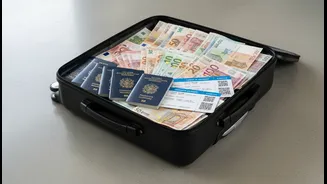
One of the biggest hurdles for any international trip from India has long been the cumbersome and often stressful visa application process. However, many Asian countries have recognised the immense potential of the Indian outbound tourism market and have simplified their entry requirements. Countries like Thailand, Malaysia, and Sri Lanka have rolled out visa-free policies for Indian passport holders, eliminating paperwork and uncertainty. Thailand now offers a 60-day visa-free stay, while Malaysia provides a 30-day visa-free entry. Others, such as Indonesia (home to Bali), the Maldives, and Cambodia, offer convenient visa-on-arrival or e-visa options. This ease of access makes spontaneous trips possible, transforming a long-planned dream into a weekend decision.
Maximum Value, Minimum Spend
Beyond the visa queues, the simple economics are a massive draw. A trip to Southeast Asia offers incredible value for the Indian rupee, especially when compared to destinations in Europe or North America. It's not just about cheaper flights; it's about the entire ecosystem of travel. Accommodation, from quirky hostels to luxury resorts, is significantly more affordable. Street food culture in countries like Vietnam and Thailand means that delicious, authentic meals can cost less than a cup of coffee back home. This affordability allows young travellers to do more, see more, and stay longer without breaking the bank. Many find they can enjoy a week-long, multifaceted holiday in Asia for the same budget that might only cover a few days in a Western country.
Spotlight: Today's Hotspots
Several countries have become firm favourites. Thailand remains a top choice, offering a dynamic mix of Bangkok's vibrant city life, the northern charm of Chiang Mai, and the world-famous beaches of Phuket and Krabi. Malaysia attracts travellers with Kuala Lumpur's iconic skyline, the colonial-era architecture and foodie paradise of Penang, and the duty-free island of Langkawi. Vietnam has seen a huge surge in popularity, thanks to its stunning landscapes in Ha Long Bay, the rich history of Hanoi and Ho Chi Minh City, and an accessible e-visa system. Even destinations like Kazakhstan are emerging as surprising, offbeat choices for adventurous travellers, offering 14 days of visa-free access.
More Than Just a Vacation
This trend is about more than just convenience and cost. It represents a generation of young Indians who are more connected, curious, and confident in exploring the world on their own terms. The rise of remote work and the 'workation' phenomenon also plays a part, allowing digital nomads to base themselves in affordable and well-connected Asian hubs for weeks or even months at a time. These destinations offer a perfect blend of the exotic and the familiar, with strong cultural connections, widespread availability of Indian food, and welcoming communities. By exploring their own continent first, young Indian travellers are not just saving money; they are redefining what it means to be a global citizen in the 21st century.