
North India: Golden Triangle and Beyond
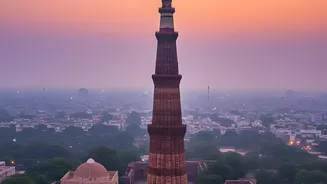
The period after the monsoon is arguably the best time to explore North India. States like Rajasthan, along with cities like Delhi and Agra, shed the intense summer heat and monsoon humidity for clear blue skies and pleasantly warm days. Temperatures
typically hover around a comfortable 30-34°C, making it ideal for sightseeing at historical monuments like the Taj Mahal, Amber Fort, and the bustling markets of Jaipur without the discomfort of extreme weather. This is the shoulder season, meaning you can enjoy iconic sights with fewer tourists than in the peak winter months. Furthermore, many national parks, like Jim Corbett in Uttarakhand, reopen in October, offering a chance for wildlife safaris in a rejuvenated landscape.
The Rejuvenated South: Kerala and Tamil Nadu
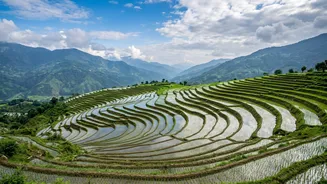
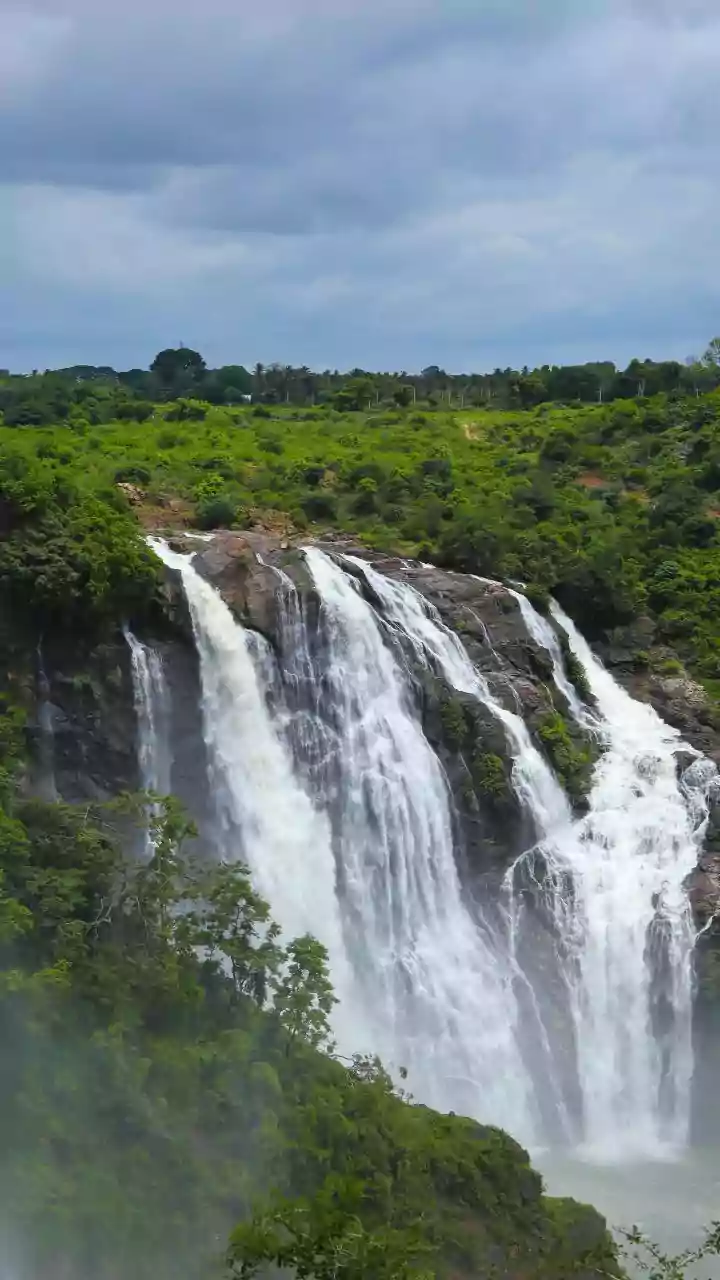
While the main monsoon has passed, South India, particularly the southeastern coast, experiences the 'retreating monsoon' in October and November. This can bring occasional showers to Tamil Nadu. However, neighbouring Kerala is a dream destination during this time. The landscape is exceptionally green and the backwaters in places like Alleppey and Kumarakom are full and serene. Hill stations such as Munnar and Wayanad are magical, with mist-covered tea plantations and waterfalls at their peak. The weather is generally warm and pleasant, perfect for nature walks, houseboat cruises, and enjoying the vibrant, rain-washed scenery.
Himalayan Foothills: Clear Mountain Vistas
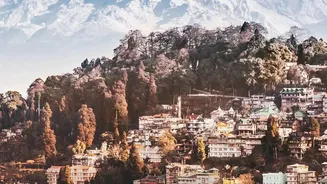
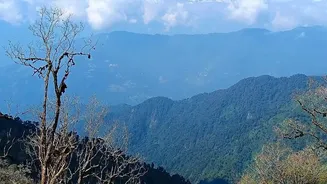
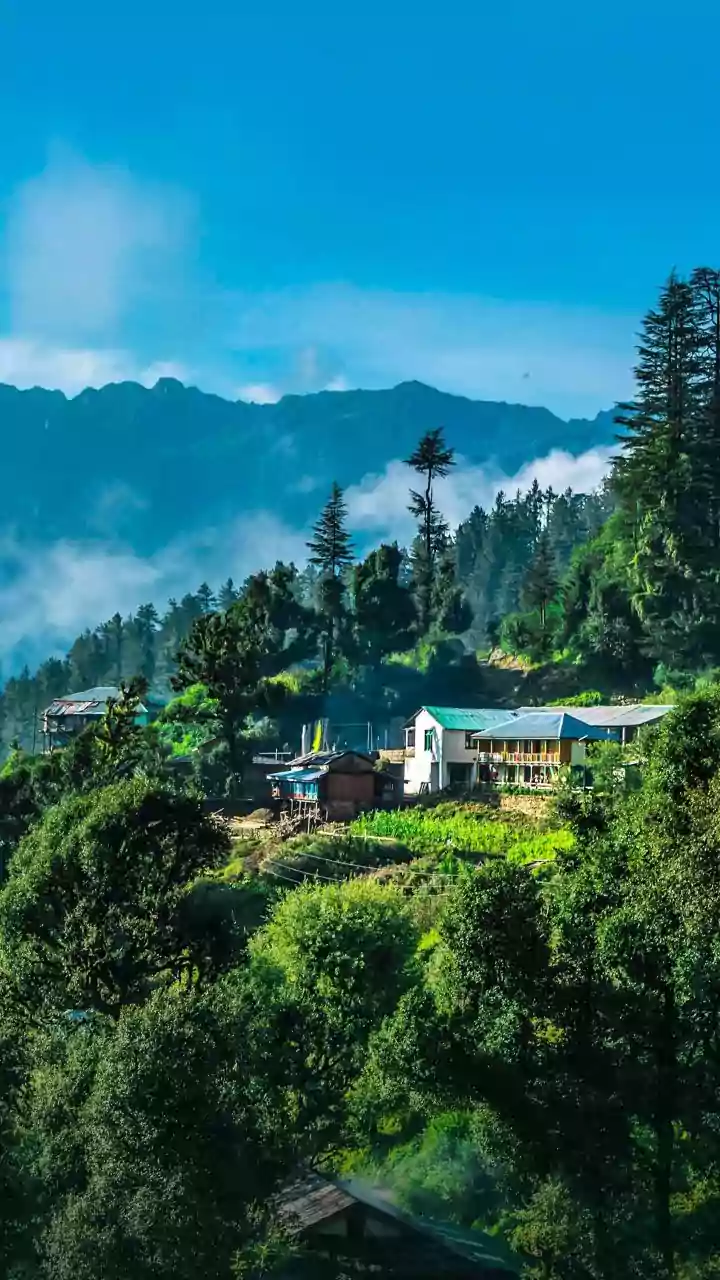
For mountain lovers, the post-monsoon season is a window of opportunity. The heavy rains have washed the atmosphere clean, offering exceptionally clear views of the Himalayan peaks. Destinations like Darjeeling in West Bengal and parts of Sikkim are beautiful, with lush tea gardens and crisp, clean air. The weather is pleasant for trekking and sightseeing before the harsh winter snows set in. This period provides some of the best conditions for photography and outdoor activities, as the skies are often unobscured, revealing the majestic mountain panoramas that are hidden during other times of the year.
Western and Central India: Dry Days and Festivities
In western and central India, the monsoon has well and truly departed by October, leaving behind pleasant, dry weather. In states like Gujarat and Rajasthan, this period coincides with major festivals like Navratri and Diwali, offering a vibrant cultural experience. The weather in cities like Udaipur and Jodhpur is ideal for exploring palaces and lakes. In Maharashtra, the Western Ghats are still lush from the rains, making hill stations like Lonavala and Mahabaleshwar popular weekend getaways, though the crowds are smaller than during the peak monsoon. Central India's national parks also reopen, providing excellent opportunities for wildlife spotting in a less crowded environment.