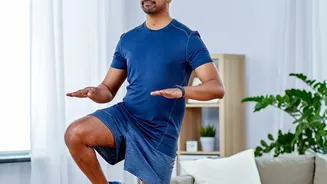








What Makes a Workout 'Low-Impact'?
Low-impact exercise is defined by one simple rule: you keep at least one foot on the ground or your body is supported by water or a machine at all times. Unlike high-impact activities such as running or jumping, which involve both feet leaving the ground simultaneously,
these workouts minimize the jarring force and mechanical stress on your joints, particularly the ankles, knees, and hips. This makes them an ideal choice for a wide range of people, including beginners, older adults, individuals recovering from injury, or anyone with arthritis or joint sensitivity. The primary advantage is that it allows you to elevate your heart rate and challenge your cardiovascular system effectively without the repetitive impact that can lead to pain or injury over time.
The Heart of the Matter: How It Works
Your heart is a muscle, and just like any other muscle, it gets stronger with training. Low-impact cardio is incredibly effective at this. When you engage in sustained activities like brisk walking, swimming, or cycling, your heart and lungs have to work harder to supply your muscles with oxygenated blood. This consistent effort trains your heart to pump more blood with each beat, a measure known as stroke volume. Over time, this increased efficiency means your heart doesn't have to work as hard during rest, which can lead to a lower resting heart rate and reduced blood pressure. Regular exercise also encourages your blood vessels to become more flexible and can even help grow smaller branch vessels, further improving circulation and oxygen delivery throughout your body.
Top Joint-Friendly Cardio Exercises
The beauty of low-impact cardio is the variety of available options, making it easy to find something you enjoy. Swimming and water aerobics are often considered the gold standard because the water's buoyancy supports up to 90% of your body weight, removing almost all stress from your joints while providing full-body resistance. Cycling, both on a stationary or outdoor bike, is another excellent choice that strengthens the muscles around the knees without the heavy pounding. Elliptical trainers offer a fluid, gliding motion that mimics running without the impact, engaging both the upper and lower body for a comprehensive workout. Even a simple, brisk walk is a powerful and accessible form of low-impact exercise that significantly benefits heart health.
More Than Just Your Heart
While the cardiovascular benefits are profound, the positive effects of joint-friendly exercise don't stop there. Because these activities reduce the risk of pain and injury, they promote long-term consistency—the most critical factor for achieving fitness success. Engaging in regular low-impact cardio can also aid in weight management by burning calories, enhance muscular endurance, and improve balance and coordination, which is especially important for reducing the risk of falls in older adults. Furthermore, the rhythmic nature of these exercises, combined with the release of endorphins, can significantly boost your mood, reduce stress, and improve overall mental well-being.
Getting Started Safely and Effectively
Embarking on a new fitness routine should always be approached with care. If you're new to exercise or have pre-existing health conditions, it's wise to consult with a healthcare professional first. When you begin, start slowly with shorter sessions and gradually increase the duration and intensity as your fitness level improves. Focus on maintaining proper form to maximize benefits and prevent strain. For instance, when cycling, ensure your bike is adjusted correctly for your height. Always begin your workout with a 5-10 minute warm-up to prepare your muscles and end with a cool-down period of gentle stretching to improve flexibility and aid recovery. The most important rule is to listen to your body; consistency is more important than intensity, especially at the beginning.