





What is the PJ.2.1 Variant?
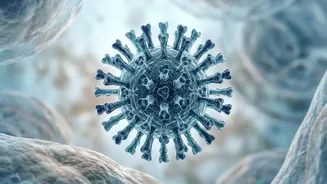
PJ.2.1 is a new lineage of the SARS-CoV-2 virus, which causes COVID-19. It was first detected in Ontario, Canada, in May 2026. Researchers have described it as a 'saltation variant', which means it carries a surprisingly high number of genetic changes
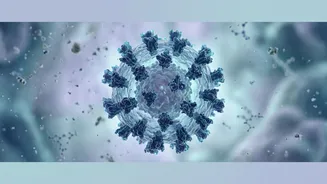
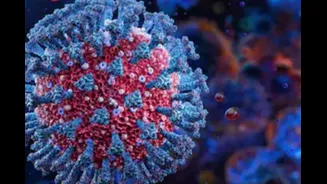
compared to its ancestors rather than evolving slowly over time. This variant is a descendant of the JN.1 lineage. Scientists are particularly interested in its spike protein, which has numerous mutations. The spike protein is what the virus uses to latch onto and enter human cells. Early studies suggest these mutations might help the virus bind more effectively to the ACE2 receptor, the main entry point into our cells.
Where Has It Been Detected?
Since it was first identified in Canada, PJ.2.1 has achieved a rapid intercontinental spread. Cases have been confirmed in several countries, including the United States, France, Spain, Israel, Singapore, Australia, and New Zealand. This wide geographical distribution is why the World Health Organization (WHO) is closely monitoring the variant. As of mid-November 2026, there is no confirmed evidence of widespread transmission of PJ.2.1 in India, and its emergence has not led to calls for new public health restrictions in the country. However, India's genomic surveillance network, INSACOG, continues to monitor the situation.
Symptoms and Severity
At present, there is no unique set of symptoms specifically linked to PJ.2.1. The symptoms reported in infected individuals are similar to those seen with other recent COVID-19 variants and overlap significantly with the common cold and flu. These include fever, cough, sore throat, runny or blocked nose, headaches, and muscle aches. Some Russian experts noted it might cause a more severe sore throat and prolonged fatigue, but this is not a widespread clinical consensus. Crucially, most health experts and organisations agree there is no convincing evidence that PJ.2.1 causes more severe disease, a higher rate of hospitalisation, or increased mortality compared to other currently circulating variants. Doctors are urging vigilance but cautioning against unnecessary alarm.
The Question of Immunity and Vaccines
A key question with any new variant is whether it can evade the immunity we've built up from past infections and vaccinations. The initial laboratory findings for PJ.2.1 are cautiously optimistic. While it has many mutations, it is not thought to be significantly better at evading the human immune system. One study published in the 'Journal of Infection' found that antibodies generated by an updated COVID-19 vaccine were still effective at neutralizing the PJ.2.1 variant in a lab setting. The reduction in effectiveness was less significant than that observed for several other variants, suggesting current vaccines should still offer protection against severe illness.
What Is the Advice for the Public?
Health officials are not sounding the alarm for a new pandemic but are emphasizing awareness and basic precautions, especially as India heads into seasons of festivals and increased travel. The advice remains consistent with what has been recommended for respiratory viruses. If you are feeling unwell with symptoms like a fever or persistent cough, it is wise to test and isolate to protect others. This is particularly important for those who are elderly, have weakened immune systems, or live with underlying health conditions like diabetes or heart disease. For the general public, practising good hand hygiene, wearing masks in crowded indoor spaces, and ensuring good ventilation are still sensible measures to reduce the risk of any respiratory infection.