




1. Launch Vehicle and Propulsion Systems
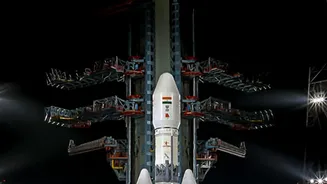
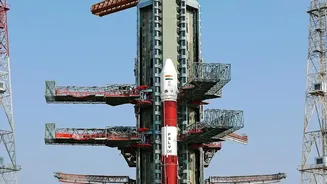
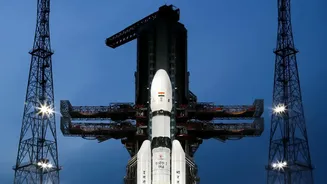
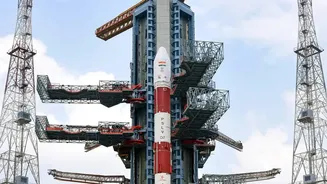
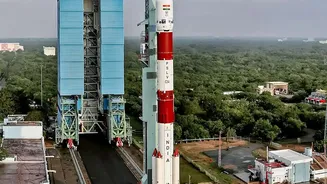
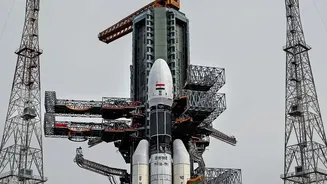
The foundation of any space programme is the ability to launch reliably and cost-effectively. With the Indian government encouraging private participation, a number of startups are now developing their own rockets. Companies like Skyroot Aerospace and Agnikul
Cosmos are at the forefront, creating a demand for aerospace, mechanical, and propulsion engineers. These roles involve everything from designing rocket engines and structures to working on advanced propulsion technologies like 3D-printed and reusable engines. As these companies move from development to regular commercial launches, jobs in manufacturing, quality control, and launch operations will also see significant growth. This area is critical as India aims to capture a larger share of the global satellite launch market.
2. Satellite Manufacturing and Services
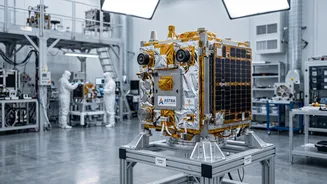
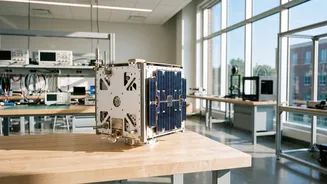
Satellites are the workhorses of the space economy, used for everything from communication and navigation to Earth observation. India's space policy reforms have created a boom in private satellite manufacturing. Companies like Dhruva Space and Pixxel are building everything from small, single-purpose satellites to complex hyperspectral imaging constellations. This has created a wide array of jobs, including roles for electronics and communication engineers to design satellite buses and payloads, materials scientists to develop lightweight components, and systems engineers to integrate all the parts. With satellite telecommunications being the largest contributor to the space economy, this sector is poised for sustained expansion.
3. Downstream Data Analytics and AI
Perhaps the most explosive area of growth lies not in space, but on the ground. Modern satellites generate enormous volumes of data, and the real value is in turning that data into actionable insights. This 'downstream' sector is creating a huge demand for data scientists, software developers, and AI/ML specialists. These professionals build algorithms to analyse satellite imagery for applications in agriculture (monitoring crop health), urban planning (tracking infrastructure development), climate change (observing environmental shifts), and defence. Companies are hiring experts proficient in languages like Python and MATLAB who can blend space science with data analytics to solve real-world problems. This field is particularly accessible to tech professionals without a traditional aerospace background.
4. Ground Infrastructure and Mission Operations
Every satellite and rocket needs a dedicated team on the ground to manage it. This includes building and operating ground stations, mission control centres, and the vast communication networks that connect them. As the number of private satellite constellations and launch missions increases, so does the need for skilled personnel to run these critical ground operations. Employment opportunities in this area include telecommunications engineers, network specialists, cybersecurity experts, and mission operations managers. These teams are responsible for tracking satellites, downlinking data, and ensuring the health and safety of space assets, making them an indispensable part of the ecosystem.
5. Space Law, Policy, and Support Roles
The expansion of the space industry isn't just for scientists and engineers. As the sector becomes more commercial and crowded, a new set of support roles is becoming vital. Space law experts are needed to navigate international treaties, intellectual property rights, and liability issues. Policy specialists help shape government regulations and industry standards. Furthermore, with the growing risk of space debris, specialists in Space Situational Awareness (SSA) are needed to track objects in orbit and prevent collisions. This growing ecosystem also requires finance professionals, business developers, and science communicators, making the space industry accessible to a wider range of academic and professional backgrounds than ever before.