
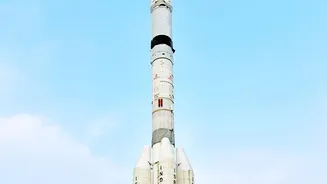
A New Galactic Gold Rush
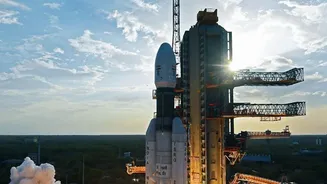
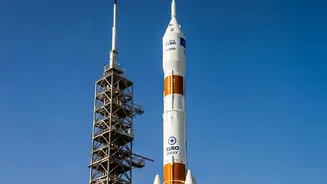
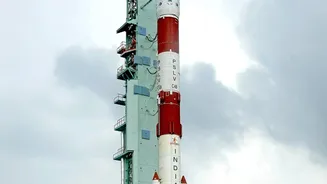
For over fifty years, India's journey to the stars was piloted almost exclusively by the Indian Space Research Organisation (ISRO). But a monumental shift is underway. Since the government opened the sector to private players in 2020, India's space landscape
has transformed into a dynamic commercial ecosystem. The Indian space economy, currently valued at around $9 billion, is projected to surge to $44 billion by 2033. This explosive growth is powered by a new constellation of over 400 private startups. Companies like Skyroot Aerospace, which launched India's first private rocket, and Agnikul Cosmos, known for its 3D-printed engines, are no longer just making headlines; they are building businesses. This commercialisation means the industry no longer just needs people who can build rockets. It needs people who can build companies.
The Corner Office in Orbit
As startups move from demonstration to deployment, the need for sharp business minds has skyrocketed. These new space ventures require capital to fund their ambitious projects, sophisticated strategies to navigate a competitive market, and compelling stories to attract customers and investors. This has opened the door for professionals with backgrounds in business development, finance, project management, and marketing. Roles like 'Business Development Manager' are now common, with responsibilities that include identifying new market opportunities in satellite constellations or launch services and building relationships with clients. Indian space-tech firms like Dhruva Space explicitly seek communicators and individuals passionate about the 'Business of Space,' signaling a clear demand for non-technical expertise to help translate complex technology into commercial success.
Laying Down the Law of the Cosmos
With more satellites being launched, private companies planning missions, and the prospect of space tourism on the horizon, a new legal frontier has opened: Space Law. This specialised field is critical for navigating the complex web of international treaties, national regulations, and commercial contracts that govern activities in space. Space lawyers are essential for advising on issues like liability for satellite collisions, intellectual property rights for new technologies, insurance for high-risk missions, and regulatory compliance with bodies like the Indian National Space Promotion and Authorisation Centre (IN-SPACe). In response to this growing demand, several Indian law schools now offer specialised courses and master's programs in Air and Space Law, preparing a new generation of legal experts to draft the rules for this new commercial era.
Designing the Future of Flight
Design in the space industry once meant purely aeronautical or mechanical design. While that remains crucial, the definition of a 'designer' is expanding. As space becomes a commercial domain, user experience (UX) and visual communication are becoming increasingly important. For instance, companies that analyse satellite data need data visualisation experts and UX designers to turn raw information into intuitive, actionable products for clients in agriculture, climate monitoring, and urban planning. Furthermore, these new companies need strong branding and digital presence to stand out. The Indian Space Association (ISpA) now offers internships for graphic designers and web developers, a clear sign that creative professionals are needed to craft the public-facing identity of the industry and make its services accessible to a wider audience.
Getting Your Foot in the Airlock
Breaking into the space sector without an engineering degree is more achievable now than ever. The key is to combine your core skills with domain-specific knowledge. For business professionals, this means understanding the unique economics of the space industry. For lawyers, it involves studying international treaties and national space policy. For designers, it might mean learning about data visualisation or creating portfolios geared towards technology companies. Internships with organisations like ISpA or following the career pages of companies like Skyroot, Pixxel, and Dhruva Space can provide valuable entry points. The popular image of a space career being only for a handful of scientists is outdated. Today, India’s space economy is a burgeoning field actively seeking diverse talent to help build its commercial future.