


Moving Beyond the Morning Rush
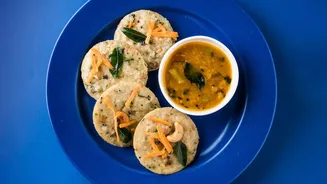
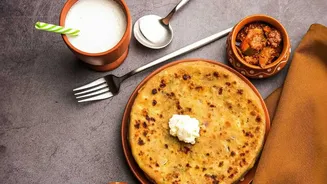
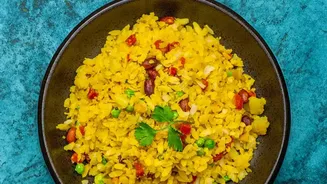
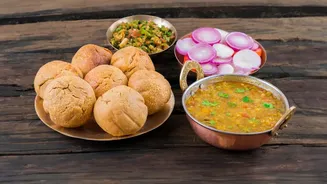
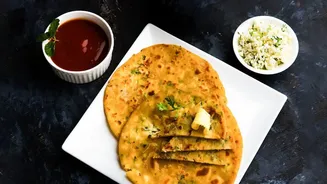
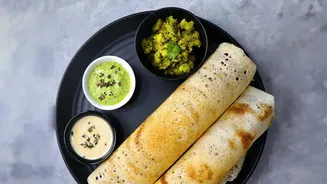
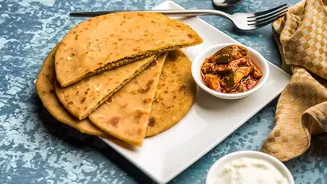
Let’s be honest: modern mornings are a race against time. The pressure to get out the door has made quick, often processed, options like packaged cereals and white bread the default for many urban households. While beloved staples like poha, idli, and parathas
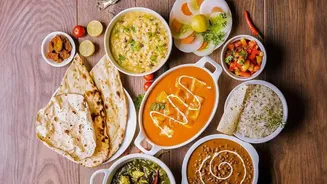
have held their ground, they represent just the tip of India's vast culinary iceberg. Before convenience became king, breakfast across the country was a deeply local and seasonal affair, built on ingredients like millets, lentils, and fermented batters. Now, a growing movement is seeing a conscious return to these roots. It’s a shift away from factory-made convenience and towards meals that are slower, more nourishing, and rich with regional identity.
What's Fuelling the Rediscovery?
This renewed interest isn’t just about nostalgia; it’s driven by a powerful shift in lifestyle priorities. Health is a major factor. As wellness becomes central to daily life, there's a growing appreciation for traditional foods that are naturally nutritious. Many regional breakfasts are rich in protein, fibre, and beneficial gut bacteria from fermentation, a practice that existed long before 'probiotics' became a buzzword. The rise of millets like ragi and jowar, championed for their health benefits, is also reintroducing ancient grains to the modern breakfast plate. Furthermore, social media has turned into a digital archive, with food bloggers and home cooks proudly showcasing their local culinary heritage. This digital celebration of regional food culture inspires curiosity and encourages people to explore dishes beyond their own familiar cuisines.
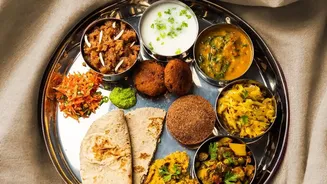
A Taste of India's Regional Diversity
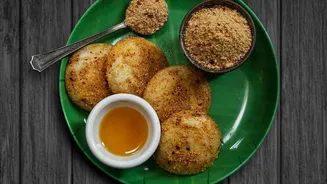
The sheer variety of these rediscovered breakfasts is staggering. In Andhra Pradesh, the Pesarattu is making a strong comeback. This crepe-like dosa, made from a batter of whole green gram (moong dal) instead of rice and urad dal, is packed with protein and often served with a fiery ginger chutney. It’s a nutritious, gluten-free option that doesn’t require fermentation. Travel north to the mountains of Himachal Pradesh, and you’ll find Siddu, a soft, steamed bread made from fermented wheat flour. These savory buns are typically stuffed with a paste of walnuts, poppy seeds, or urad dal, and served hot with a generous dollop of ghee, making them perfect for the cold climate. From Chhattisgarh comes Phara, delicate steamed sticks made from rice flour, sesame seeds, and spices, which are later lightly tempered for a crunchy finish. Each dish tells a story of its origin, climate, and local produce.
Tradition in the Modern Kitchen
Embracing these classics doesn’t mean spending hours in the kitchen. Home cooks are finding creative ways to fit these dishes into their busy lives. Batters for dishes like Pesarattu can be prepared in advance, and the crepes themselves cook in minutes. The dough for Siddu can be left to ferment overnight, ready for steaming in the morning. Some are adapting recipes by incorporating modern kitchen tools or making slight adjustments, like stuffing Pesarattu with upma, a popular variation known as MLA Pesarattu in Andhra restaurants. The comeback isn't about perfectly replicating the past, but about integrating the wisdom of traditional cooking into contemporary lifestyles, proving that a wholesome breakfast can be both achievable and delicious.