


The Foundation: Start with the Cut
Before you even think about spices, think about shape and size. The way a vegetable is cut dramatically affects its texture and how it cooks. Uniform cuts ensure everything cooks evenly. Mastering a few basic cuts can completely transform your meals.
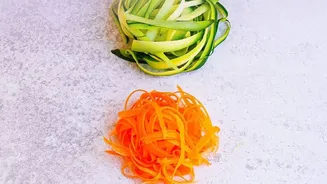
Start with these four: Dicing involves cutting vegetables into small, uniform cubes, perfect for quick-cooking dishes like stir-fries or fillings. Chopping is less precise, resulting in irregular but similarly-sized pieces ideal for rustic curries or soups where ingredients cook for longer. Julienne, or cutting vegetables into thin 'matchsticks', is excellent for salads, noodles, and quick sautés, providing a delicate texture. Finally, slicing—creating thin, round or semi-circular pieces—is perfect for vegetables like okra, carrots, or gourds for simple pan-fries or layering in bakes.
The Action: Master the Cooking Method
Once you have your cut, choose a cooking method that enhances its qualities. You don't need a dozen techniques, just a few reliable ones. Stir-frying or sautéing on high heat is perfect for diced and julienned vegetables, cooking them quickly to keep them crisp. Roasting in the oven with a bit of oil brings out the natural sweetness in roughly chopped or chunked root vegetables like potatoes, carrots, and cauliflower. Steaming is a gentle, healthy method ideal for delicate vegetables or when you want to preserve a clean, fresh flavour. Finally, braising or simmering in a flavourful liquid (like a curry base or sambar) is perfect for larger, chopped pieces that can absorb flavour while slowly becoming tender, such as bottle gourd (lauki) or pumpkin.
The Smart Link: Match Cuts to Methods
Here is where the system comes together. The cut you choose should directly inform your cooking method. Small, fine cuts like dicing and julienning are designed for speed. They have more surface area, so they cook fast and absorb flavours quickly, making them perfect for a weeknight stir-fry. Larger, chunkier cuts like chopping are built for slower cooking methods. They hold their shape better in hearty stews and curries, releasing their flavour gradually without turning to mush. Sliced vegetables offer versatility; they can be stir-fried for a quick side dish or slow-cooked in a gravy. This simple pairing—cut dictates method—is the key to getting consistent, delicious results every time without being locked into a specific recipe.
The Seasonal Strategy: Adapting to India’s Bounty
The final layer of your plan is seasonality, which ensures freshness and flavour. India’s diverse climate gives us three main growing seasons. In summer (March-June), use vegetables like bottle gourd, cucumber, and cluster beans. Try dicing bottle gourd for a quick curry or slicing cucumber for a cooling salad. During the monsoon (July-October), embrace lady's finger (bhindi), taro root (arbi), and various gourds. Slicing bhindi thinly prevents it from becoming slimy when stir-fried. In winter (November-February), the markets are full of vibrant produce like carrots, peas, spinach, and cauliflower. Julienne carrots for a fresh slaw, roast cauliflower florets until golden, or roughly chop spinach for a simple dal. By aligning your chosen cuts and methods with what's in season, your meals will always be fresh, flavourful, and economical.