
The thrill of navigating a rocky trail or gliding on a skateboard is undeniable, with both activities offering a great way to sharpen your balance. But for many, the high risk of sprains, falls, and fractures can be a major deterrent.
The Appeal and Risk of Adventure
Hiking and skateboarding
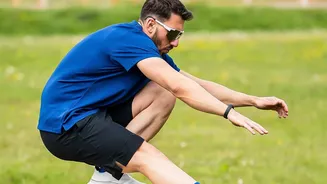
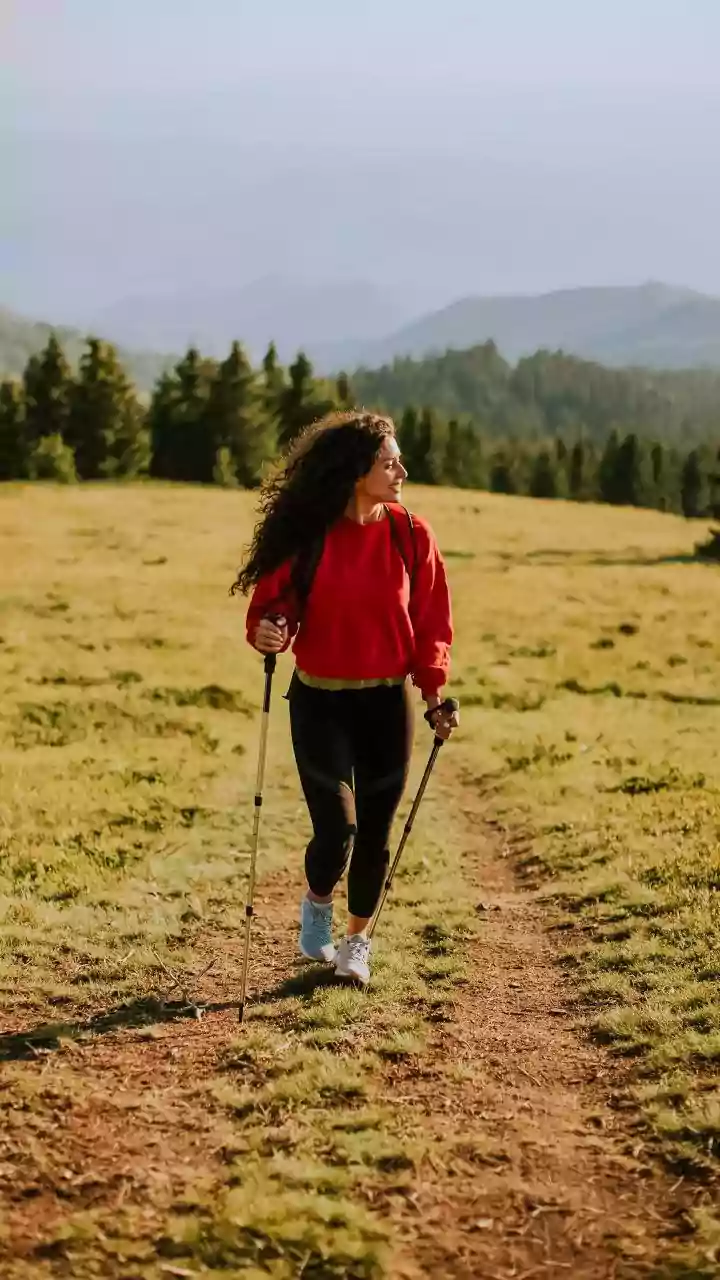
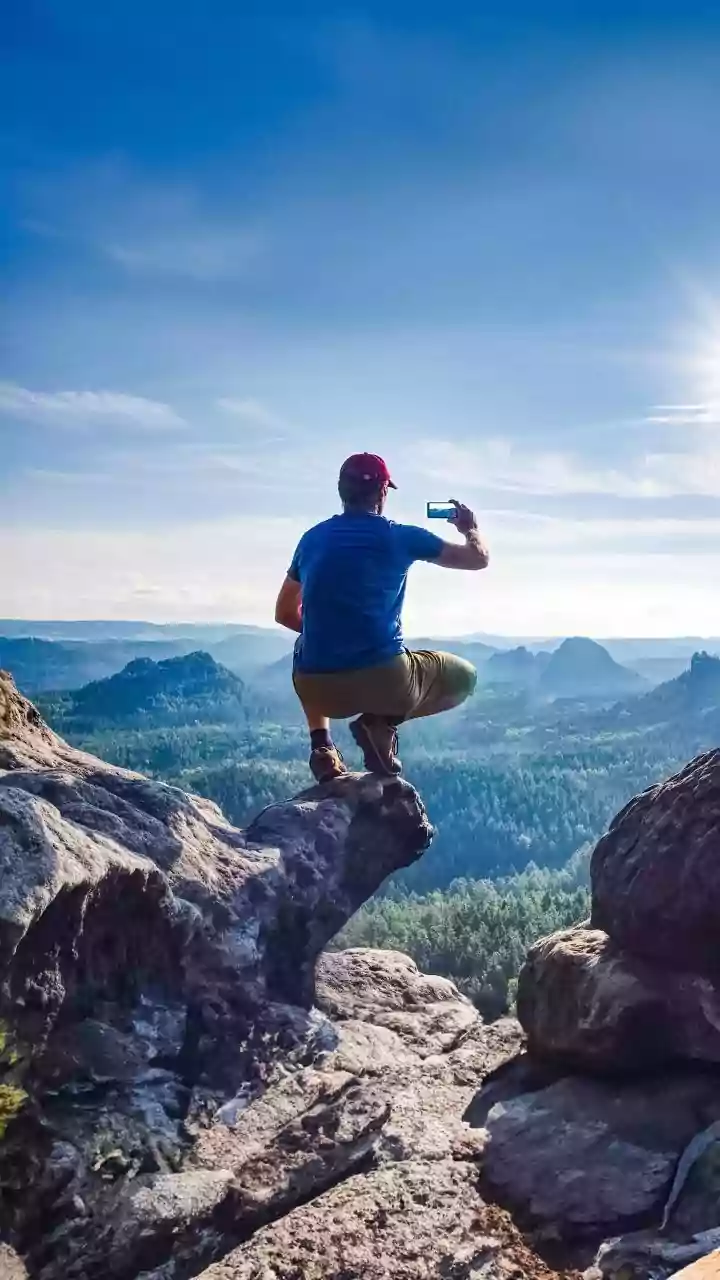
are fantastic ways to improve your balance and proprioception—your body's awareness of its position in space. Hiking on uneven terrain forces your ankles, knees, and core to constantly adapt, building stability with every step. Skateboarding, a more dynamic challenge, enhances your reflexes and ability to make micro-adjustments to maintain equilibrium on a moving surface. However, these benefits come with significant risks. Hiking trails, with their loose rocks and slippery patches, are a common setting for ankle sprains and falls. Skateboarding carries an even higher risk of high-impact injuries, including fractures and concussions, as falls often happen on hard, unforgiving pavement. For those who want the reward of better balance without the high stakes, several safer, low-impact alternatives offer excellent results.
Yoga: Build Balance from the Ground Up
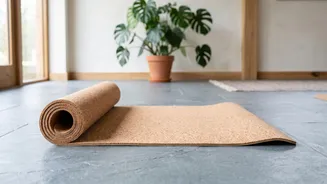
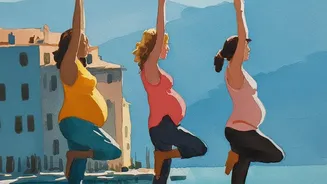
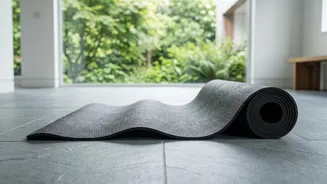
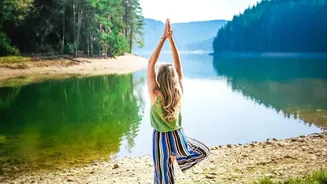
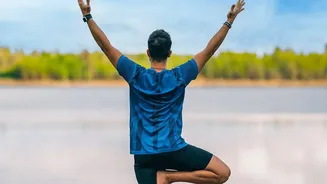
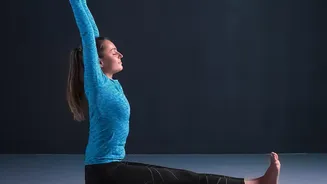
Yoga is a superb practice for developing both static and dynamic balance in a controlled, safe environment. Poses like the Tree Pose (Vrikshasana) and Warrior III (Virabhadrasana III) directly challenge your stability on one leg, strengthening the muscles in your feet, ankles, and legs. The practice improves focus and concentration, which are key components of maintaining balance. By holding poses, you build muscular endurance and create a strong foundation of stability. Unlike the unpredictable nature of a trail or sidewalk, a yoga mat provides a consistent surface where you can safely test your limits and 'embrace the wobbles' as part of the learning process, gradually building confidence and control.
Tai Chi: The Art of 'Meditation in Motion'
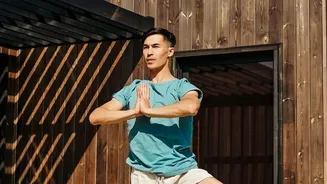
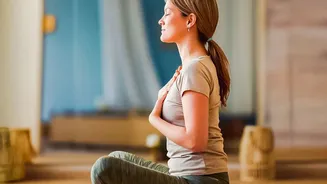
Often described as 'meditation in motion', Tai Chi is a gentle, low-impact martial art renowned for its balance-enhancing benefits. It involves a series of slow, flowing movements that train your body to shift weight deliberately and maintain its centre of gravity. This practice is especially effective for improving gait, coordination, and the body's ability to recover from a stumble, significantly reducing the risk of falls, particularly in older adults. The focus on mind-body connection helps heighten your awareness of how your body moves through space. Because the movements are slow and controlled, the risk of injury is extremely low, making it an ideal choice for people of all ages and fitness levels.
Balance Boards: Train Your Reflexes at Home
For a more direct approach to balance training, a balance board or wobble cushion is an excellent tool. These devices create an unstable surface that forces the small stabilizing muscles in your legs and core to fire constantly. Using one for just a few minutes a day can dramatically improve your body's reactive capabilities. You can start by simply trying to stand on the board, perhaps holding onto a wall or chair for support. As you get more comfortable, you can progress to performing simple exercises like squats or shifting your weight from side to side. It’s a convenient way to integrate balance training into your daily routine without ever leaving your home.
Single-Leg Stands: The Simplest Solution
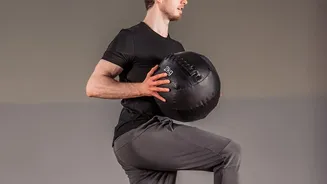
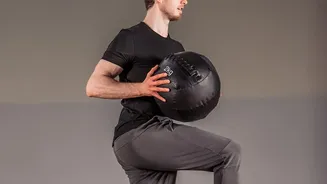
Perhaps the most accessible balance exercise of all is the single-leg stand. It requires no equipment and can be done anywhere, anytime—while brushing your teeth, waiting for water to boil, or talking on the phone. Simply stand on one foot and try to hold the position for up to 30 seconds before switching to the other side. This simple act strengthens your standing leg and improves your stability. To increase the challenge, you can try closing your eyes, which forces your body to rely on feedback from your muscles and inner ear rather than your vision. You can also stand on a pillow or cushion to create a less stable surface. It’s a foundational exercise that builds the strength and awareness needed for all other activities.