




The End of the Off-Season?
For years, Goa's tourism calendar was predictable: a frantic high from November to February, and a quiet monsoon lull from June to September. But that's changing. Goa's Tourism Minister, Rohan Khaunte, recently stated that the concept of an "off-season"
is fading, with a steady flow of tourists year-round. While peak winter still draws the biggest crowds, a growing number of visitors are discovering the unique appeal of Goa during the rains. This shift is driven by evolving travel preferences, especially among younger and repeat visitors who seek more than just beach parties. The government has also actively promoted monsoon tourism, highlighting cultural festivals and hinterland experiences to position Goa as a 365-day destination.
The Allure of a Greener, Quieter Goa
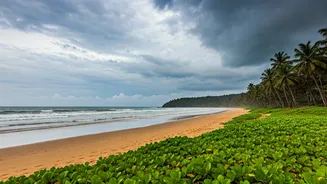
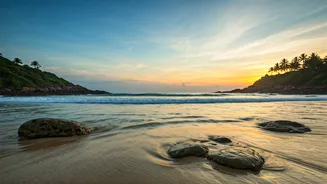
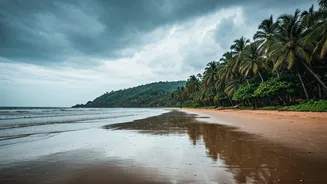
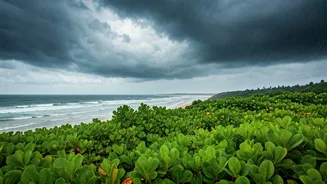
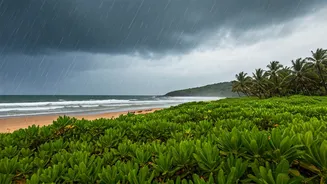
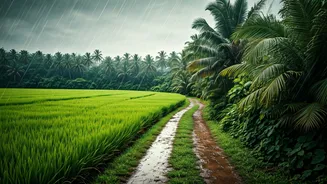
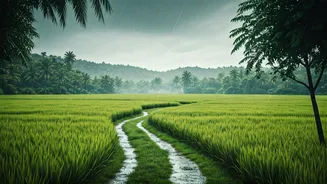
The primary draw of monsoon Goa is its dramatic transformation. The rains breathe new life into the landscape, turning the state into a lush, green paradise. Waterfalls like Dudhsagar and Harvalem, which are mere trickles in the dry season, become magnificent, roaring cascades. The beaches, though not suitable for swimming due to rough seas, take on a serene, deserted charm, offering a peaceful escape that's impossible during the crowded peak season. This is the Goa for nature lovers, photographers, and those seeking tranquillity. Drives along empty, rain-washed roads, exploring spice plantations, and visiting wildlife sanctuaries like Cotigao and Bhagwan Mahavir become primary attractions.
The Economics of the Rains
Beyond aesthetics, the practical benefits are a significant motivator. Visiting Goa during the monsoon is considerably lighter on the wallet. Flights and accommodation are often available at a fraction of their peak-season prices. This budget-friendly aspect makes it an attractive option for many. Four-star and five-star hotels, which are perennially in demand, see an average occupancy of 75-80% year-round, but off-season deals can make luxury stays more accessible. For those who want to experience Goa's famed hospitality without the December price tag, the rainy season presents a golden opportunity.
A Different Kind of Vibe
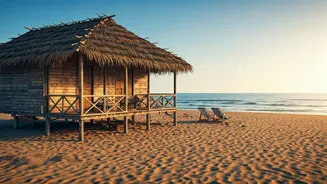
A monsoon trip requires a different mindset. Many of the famous beach shacks are dismantled, especially temporary structures. However, contrary to the myth that Goa shuts down, many permanent establishments in areas like Candolim, Calangute, and Baga remain open. The party scene is quieter, but not nonexistent. The focus shifts from beach activities to indoor experiences: enjoying cosy cafes, exploring the rich Goan-Portuguese heritage through its churches and old homes, indulging in wellness retreats, and savouring the local cuisine. It's a chance to experience Goa at a slower pace, more like a local and less like a tourist on a tight schedule.
Is It For Everyone? A Reality Check
Rainy Goa isn't for everyone. If your heart is set on sunbathing, swimming in the sea, and a vibrant beach-shack nightlife, the monsoon is not the time for your trip. The sea is dangerous, and water sports are suspended. Heavy downpours can disrupt plans, and high humidity is a constant. But for a growing number of travellers, these are minor trade-offs for the reward: a chance to see a more authentic, serene, and breathtakingly beautiful side of India's favourite coastal state. The trend suggests that visitors are no longer just seeking a party, but a place to recharge, and monsoon Goa delivers that in abundance.