

A New Festive Consciousness
There's a growing awareness across the country about making more sustainable choices, and festivals are no exception. Consumers are increasingly demanding products that cause less environmental harm, especially during festive periods. This shift away
from single-use plastics and energy-guzzling decorations is driven by a desire to celebrate traditions in a way that respects the environment. People are looking for ways to reduce their carbon footprint and festival-related waste, leading them to rediscover traditional materials and embrace modern green technologies. This mindful approach is not about diminishing the festive spirit but enriching it with a sense of responsibility.
The Smart Glow of Solar Power
Solar-powered lights have emerged as the modern hero of eco-friendly decor. These lights, which use small photovoltaic panels to charge during the day, offer a brilliant solution to high electricity bills that often accompany the festive season. Because they are not connected to the grid, they are simple to install anywhere, from balconies to gardens, without the hassle of extension cords. They are also safer, reducing the risk of electrical shocks. Available in various colours and modes like flashing or twinkling, solar-powered LED lights provide the same magical ambiance as traditional electric lights but with a significantly lower environmental impact.
The Timeless Appeal of Handcrafted Clay Lamps
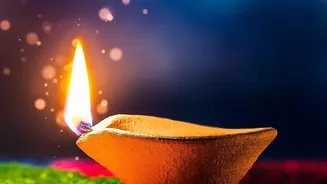
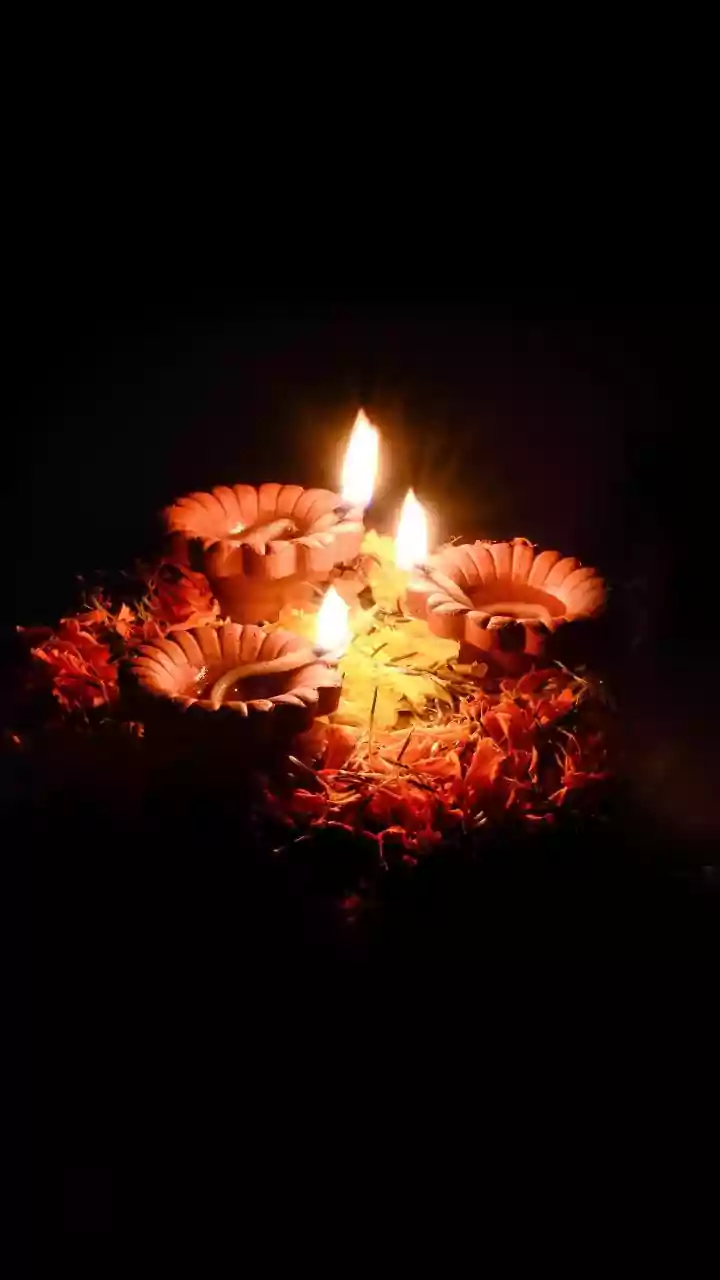
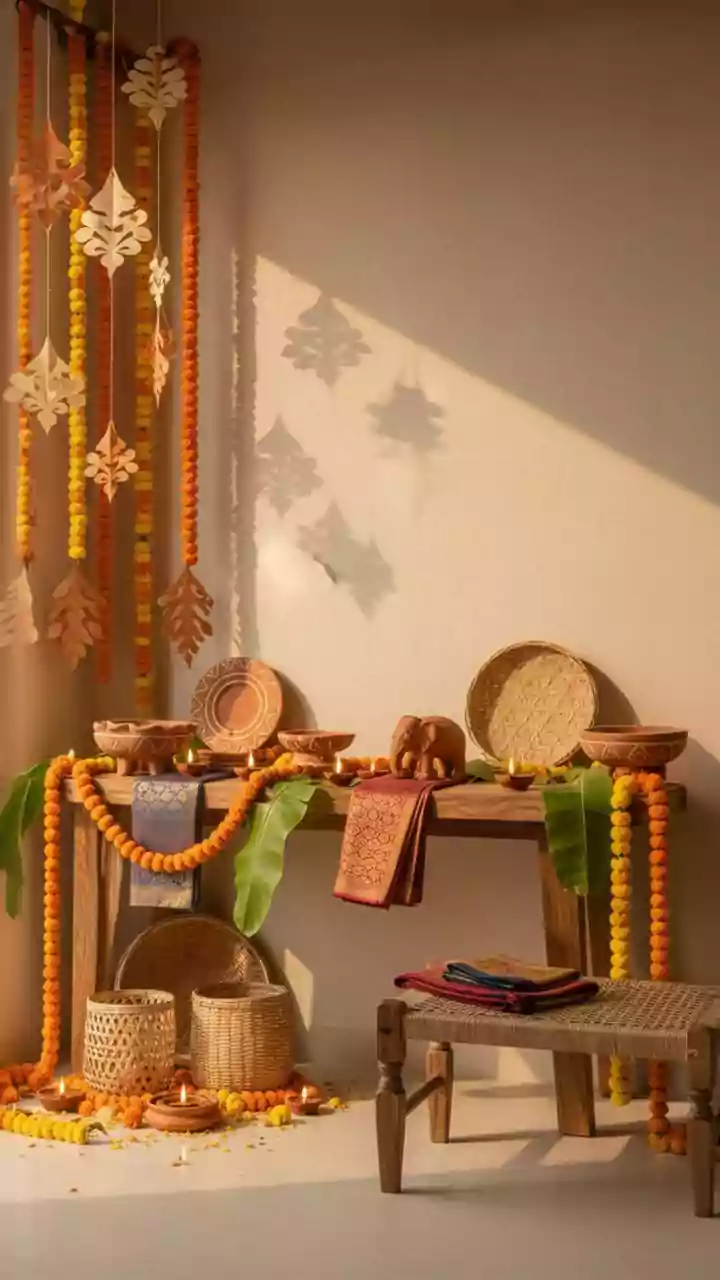
At the heart of this eco-conscious movement is the humble, handcrafted clay lamp, or diya. For centuries, these earthen lamps have been a symbol of light's triumph over darkness in festivals like Diwali. Today, choosing them over mass-produced plastic or gel options is a powerful statement. Not only are clay diyas biodegradable and non-toxic, but purchasing them directly supports local potters and artisans. This provides a crucial economic boost to craft communities, helping to preserve age-old skills that are often threatened by modern manufacturing. During the festive season, sales for potters and handicraft makers can see a significant rise, making consumer choices a direct investment in local economies.
More Than Decor: A Holistic Approach
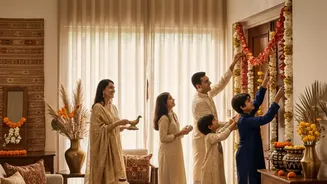
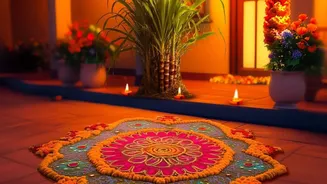
This trend extends beyond just lights. Eco-minded celebrators are embracing a whole range of sustainable practices. This includes using natural materials like flowers, mango leaves, and banana leaves for torans and other decorations. Rangoli designs are being created with rice flour, turmeric, and flower petals instead of synthetic colours. There's also a move towards upcycling, where old newspapers are turned into paper lanterns or colourful sarees and dupattas are used as drapes. The core idea is to reduce waste and find beauty in natural, reusable, and biodegradable materials, making the celebration holistic and earth-friendly.
A Blend of Tradition and Technology
The choice isn't necessarily between the old and the new. Many homes are beautifully blending the two, pairing the rustic charm of clay diyas with the technological convenience of solar fairy lights. This combination creates a unique aesthetic that is both culturally rooted and forward-thinking. It allows families to honour timeless traditions while embracing modern solutions that align with a sustainable lifestyle. This hybrid approach proves that eco-friendly choices don't require compromise; they can enhance the beauty and meaning of the celebration, creating a warm, inviting glow that is good for the planet and the soul.