






What Exactly Is Ambali?
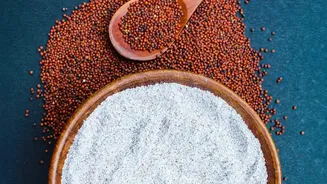
Ambali is a traditional South Indian beverage made by cooking millet flour, most commonly ragi (finger millet), into a porridge and then allowing it to ferment. This overnight fermentation process, traditionally done in an earthen pot, is what gives the drink
its signature mild, tangy flavour and a host of health benefits. The result is a thin, savory, porridge-like drink. It is typically served cool, mixed with buttermilk, salt, and often garnished with finely chopped onions, curry leaves, and green chillies, making it a refreshing and nourishing cooler. While it is most famously made with ragi, Ambali can be prepared with a variety of millets, including foxtail, kodo, and bajra.
A Farmer's Drink With Ancient Roots
For centuries, Ambali was the trusted fuel of farmers and labourers in states like Karnataka, Tamil Nadu, and Andhra Pradesh. Consumed primarily during the hot summer months, it was valued for its ability to cool the body, provide sustained energy for a hard day's work, and keep dehydration at bay. Its simple preparation and reliance on hardy, locally grown millets made it an accessible and affordable source of nutrition. Often considered a complete, light meal in a glass, it was a cornerstone of a simple, sustainable diet long before the term 'superfood' entered our vocabulary.
The Science Behind This Probiotic Powerhouse
The modern wellness world’s obsession with gut health is a key reason for Ambali’s revival. The natural fermentation process transforms the humble millet porridge into a probiotic-rich elixir, teeming with beneficial bacteria like Lactobacillus. These probiotics are essential for a healthy gut microbiome, which aids digestion, improves nutrient absorption, and strengthens the immune system. Beyond the probiotic punch, millets themselves are a nutritional treasure. Ragi is an exceptional source of calcium, crucial for bone health, and is also rich in dietary fibre, iron, and essential amino acids. Being naturally gluten-free and having a low glycemic index, it's an excellent choice for regulating blood sugar levels.
From Rural Staple to Urban Trend
So, how did this farmer's drink land on trendy cafe menus in Bengaluru, Chennai, and beyond? The shift is driven by a perfect storm of cultural and consumer trends. Firstly, there is a growing 'back to roots' movement, with urban consumers actively seeking authentic, traditional foods over processed alternatives. Secondly, the global wellness wave has amplified the demand for functional foods with tangible health benefits like probiotics. Ambali fits this description perfectly. This trend was further accelerated by the UN's declaration of 2023 as the International Year of Millets, a move championed by India that sparked renewed interest and awareness around these ancient grains. Cafes and health-food entrepreneurs have cleverly rebranded Ambali, giving it a modern makeover with stylish presentation and sometimes new flavour infusions, making it appealing to a younger, health-conscious generation.