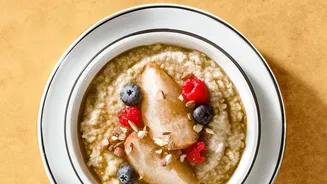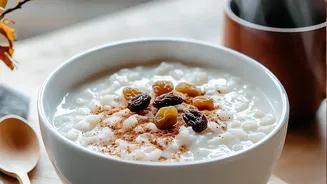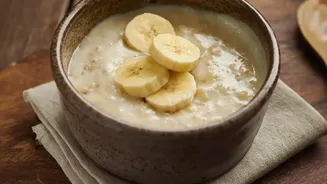




What Is This Humble Superfood?
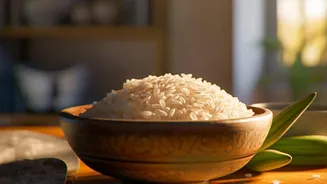
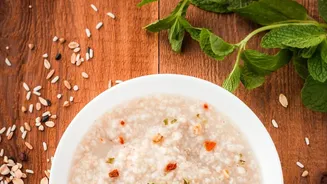
At its core, pazhanthanji (also known as pazhaya kanji) is startlingly simple. The name translates from Tamil to “old porridge.” It’s made by soaking leftover cooked rice in water and letting it sit overnight in a clay pot. This isn't just about saving
leftovers; it's a natural fermentation process that transforms the rice. Traditionally considered a humble “poor man’s breakfast” in South Indian states like Kerala and Tamil Nadu, it was the go-to meal for farmers and laborers who needed lasting energy and a way to stay cool during a long day of physical work. The result is a slightly tangy, nourishing porridge that served as a staple for generations before being overshadowed by modern breakfast options.
A Probiotic and Nutrient Powerhouse
The magic of pazhanthanji lies in its fermentation. This overnight process cultivates beneficial probiotic bacteria, making the porridge a powerful tool for promoting gut health and improving digestion. But the benefits don't stop there. The fermentation process makes the nutrients in the rice more bioavailable. Research and nutritional analyses have shown that fermentation can dramatically increase the levels of essential minerals like iron, potassium, and calcium compared to plain cooked rice. It’s also known to be rich in B-complex vitamins, particularly B6 and B12, which are crucial for energy metabolism and aren't easily found in many plant-based foods. This ancient meal is essentially a naturally fortified food, created without a lab or additives.
From Farm Staple to Fitness Fuel
So why is a dish once associated with rural life suddenly appearing in the conversation around modern fitness? The answer is twofold: a growing fatigue with ultra-processed supplements and a renewed appreciation for natural, gut-friendly foods. Fitness enthusiasts and health-conscious consumers are increasingly looking for whole-food alternatives to power their workouts and recovery. Pazhanthanji fits the bill perfectly. It's a clean source of carbohydrates for energy, packed with electrolytes to aid hydration, and loaded with probiotics to support the gut microbiome, which is increasingly linked to overall health and athletic performance. Influencers and nutritionists on social media have begun championing this traditional food, highlighting its ability to provide sustained energy without the crash associated with sugary sports drinks.
The Modern Makeover
While the traditional way to eat pazhanthanji is with simple accompaniments like shallots, green chilies, or a pickle, its modern revival has come with some creative twists. Health-focused foodies are now blending it into smoothies or mixing it with yogurt or buttermilk to create a richer, protein-boosted meal. Some recipes add tempering with mustard seeds and curry leaves or mix in chopped vegetables for extra crunch and nutrients. This versatility makes it easy to adapt for a contemporary palate while retaining its core health benefits. It can be a post-workout recovery meal, a light dinner, or the energizing breakfast it was always meant to be. This evolution shows how an ancient, sustainable food can be adapted for new generations without losing its soul.