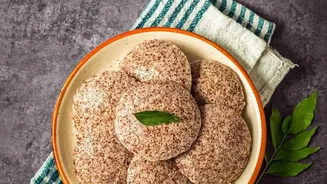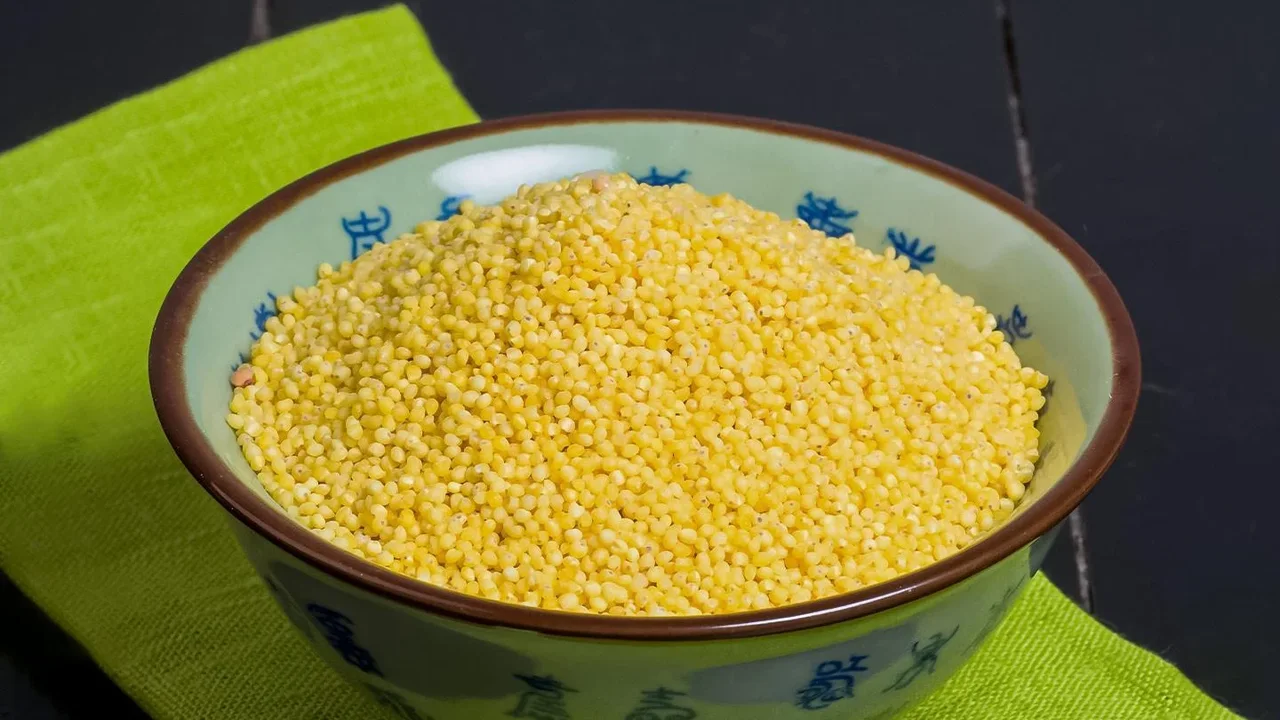




Why Your Diet Needs Millets
Millets like jowar, bajra, and ragi are not just traditional grains; they are superfoods that fit a modern, health-conscious lifestyle. They are naturally gluten-free, making them a great choice for those with sensitivities. Their high fiber content is
a standout benefit, aiding in digestion, promoting a feeling of fullness to help with weight management, and helping to regulate blood sugar levels. Millets are also rich in minerals like magnesium, iron, and calcium, and their soluble fiber can help manage cholesterol levels, contributing to better heart health.
Get to Know Your Local Millet Flours
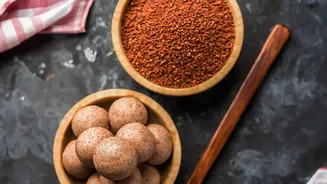
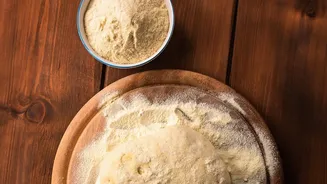
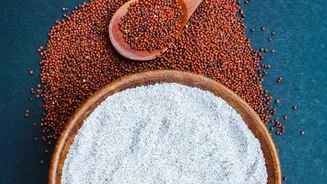
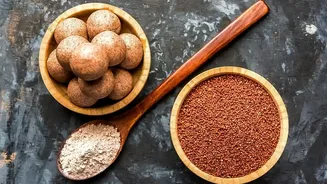
Choosing the right millet is about understanding their unique personalities. Jowar (Sorghum) is the versatile all-rounder with a mild, neutral flavour, making it a perfect starting point if you're new to millets. Bajra (Pearl Millet) has a distinctly earthy and robust taste, often associated with hearty winter meals that provide a warming effect. Ragi (Finger Millet) is known for its high calcium content and has a slightly nutty, sweet flavour. Because each has a different texture and taste, rotating them in your diet is a great way to get a wide range of nutrients.
The Secret to Soft, High-Fibre Rotis
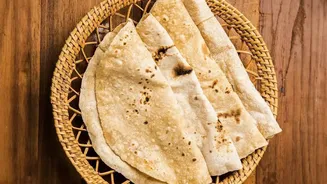
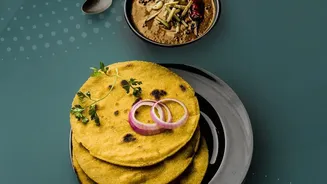
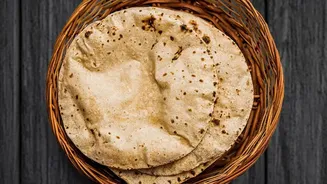
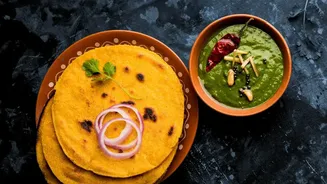
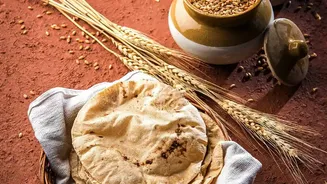
The biggest challenge with millet rotis is preventing them from becoming dry and crumbly. Since they lack gluten, the protein that makes wheat dough elastic, the technique is different but simple. The undisputed secret is using boiling or very hot water. When you add hot water to the flour, it helps to soften the dough and makes it more pliable. Kneading the dough while it's still warm is also crucial. A short rest period of 10-15 minutes after kneading allows the flour to fully absorb the moisture, resulting in softer rotis.
Tips for Perfect Millet Rotis Every Time
To ensure success, start with fresh flour, as millet flours can go rancid due to their natural oils. If you're a beginner, don't be afraid to blend. Mixing 70% millet flour with 30% whole wheat or chickpea flour (besan) can make the dough easier to handle. Roll the rotis gently, perhaps between two sheets of parchment paper, to prevent tearing. Cook them on a medium-hot tawa; a flame that's too high will make them hard. Finally, applying a little ghee immediately after cooking not only adds flavour but also helps keep the rotis soft as they cool.
Baking Healthy Breads with Millet Flour
The gluten-free nature of millet flour also presents a challenge in bread making, where gluten provides structure and rise. For this reason, millet flours are rarely used alone in bread. They work best when blended with other flours. For a gluten-free loaf, millet can be combined with flours like buckwheat and a starchy flour like tapioca. Binders are essential to mimic the effect of gluten. Psyllium husk is a popular and effective choice, as it creates a gel-like substance that provides elasticity and traps air, resulting in a softer crumb.
A Simple Framework for Millet Bread
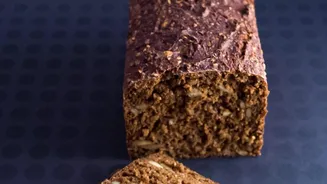
You don’t need a complex recipe to start. Think in terms of ratios. A good starting point for a gluten-free bread loaf is to use about one-third to one-half millet flour as part of your total flour blend. Combine your chosen flours, a binding agent like psyllium husk powder, yeast, a pinch of salt, and a touch of sweetness like maple syrup or jaggery for flavour and browning. Add warm water gradually until you have a thick, sticky batter-like dough rather than a kneadable one. Let it rise in a loaf pan before baking. The result is a dense, nutritious bread with an earthy flavour that's perfect for toast.