





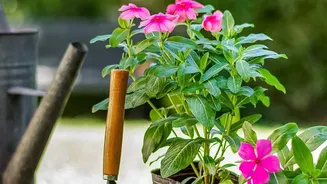

A Deeper Connection to Natural Cycles
In our fast-paced, digitally-driven lives, it is easy to feel disconnected from the natural world. Mindful gardening directly counters this by immersing us in the rhythms of nature. Tending to plants day after day means we are not just observing but actively
participating in the cycles of growth, decay, and renewal. This consistent engagement fosters a tangible connection to the seasons, from the first sprouts of spring to the dormancy of winter. We learn to think cyclically—reusing water, composting scraps, and understanding that every stage has a purpose. This perspective can help us embrace change and impermanence in our own lives, finding peace in the natural ebb and flow.
An Exercise in Patience and Acceptance
Gardening is a powerful teacher of patience. Plants operate on their own timeline, unconcerned with our desire for instant gratification. Sowing a seed and waiting weeks for it to sprout, then months for it to mature, teaches us to delay rewards and trust in a process we cannot rush. Furthermore, gardening forces us to practice acceptance. A sudden pest infestation, an unexpected frost, or a plant that fails to thrive despite our best efforts are not personal failures but inherent parts of working with a living system. Learning to let go of the pursuit of perfection and instead respond to what is actually happening builds resilience and a more relaxed relationship with uncertainty.
A Boost for Everyday Creativity
A garden is a living canvas. The process of designing a space—considering color harmonies, contrasting textures, and the interplay of height and form—is an inherently creative act. But the creative benefits go deeper. Gardening is a continuous exercise in problem-solving. When a plant struggles, you have to creatively diagnose the issue and experiment with solutions. This process of observation, adaptation, and hands-on experimentation can unlock fresh perspectives that carry over into other areas of life. Stepping away from screens to engage in a tactile, evolving project provides a mental reset that can help unstick creative blocks and nurture new ideas.
Enhanced Sensory Awareness
Mindful gardening anchors you firmly in the present moment by engaging all your senses. It’s a rich sensory experience that modern life often filters out. There is the tactile feeling of cool, damp soil on your hands, the distinct textures of different leaves, and the heft of a watering can. You become attuned to the aromatic scent of herbs like rosemary and lavender, the sound of wind rustling through leaves, and the vibrant visual display of blooming flowers. Intentionally focusing on these sensory details is a form of mindfulness that can quiet a busy mind, reduce stress, and foster a grounding sense of peace and presence.
Improved Body and Brain Coordination
While often seen as a gentle hobby, gardening is a form of light physical exercise that enhances the mind–body connection. Activities like digging, weeding, and carrying pots improve strength and flexibility. It also stimulates our proprioceptive sense—our awareness of our body's position and movement in space. Navigating uneven ground, bending to prune a branch, and balancing a wheelbarrow all help to refine motor skills, coordination, and balance. Research has even suggested that the multitasking and planning involved in regular gardening can boost cognitive function and may play a role in reducing the risk of dementia in older adults.