

Understanding Your Crisper Drawer
Those two bins at the bottom of your fridge are more than just vegetable buckets; they are sophisticated tools for managing the freshness of your produce. Known as crisper or humidity drawers, they allow you to create specific microclimates for different
types of food. Most drawers have a small, adjustable vent or slider. Setting it to 'high humidity' closes the vent, trapping moisture inside. Setting it to 'low humidity' opens the vent, allowing moisture and gas to escape. This simple mechanism is the key to preventing both wilting and rotting.
The Science of Spoilage: Wilt vs. Rot
Two main enemies conspire to ruin your fresh vegetables: moisture loss and ethylene gas. Moisture loss, or transpiration, is what causes leafy greens and thin-skinned vegetables to go limp and wilt in the dry air of a refrigerator. On the other hand, excess moisture creates the perfect breeding ground for mold and bacteria. The second enemy is ethylene, a natural gas released by some fruits and vegetables that acts as a ripening hormone. Trapping this gas near sensitive produce can rapidly accelerate spoilage. The crisper drawers are designed to fight both these problems by separating produce into two groups: those that need to retain moisture (the wilters) and those that need to release ethylene gas (the rotters).
High Humidity for Vegetables Prone to Wilting
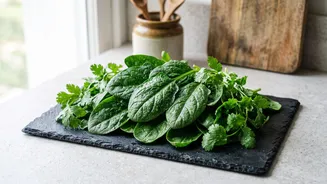
The high-humidity drawer (vent closed) is a sanctuary for vegetables that lose water quickly. By trapping moisture, it keeps them crisp and hydrated. This is the ideal spot for most of the Indian vegetables that form the base of our daily cooking. Think of delicate leafy greens that are highly sensitive to wilting.Vegetables to store here include:- Leafy Greens: Spinach (palak), fenugreek (methi), amaranth (chaulai), and especially coriander (dhaniya) and mint (pudina). These benefit greatly from the trapped moisture.- Green Vegetables: Okra (bhindi), green beans, broccoli, and cabbage stay crunchier in high humidity.- Root Vegetables: Carrots, radishes (mooli), and beets maintain their firmness.
Low Humidity for Ethylene Producers
The low-humidity drawer (vent open) is for produce that rots easily or releases a lot of ethylene gas. Opening the vent allows this gas and excess moisture to escape, preventing the drawer from becoming a 'ripening hotspot' that spoils everything inside. This is primarily for fruits, but some vegetables belong here too.Produce to store here includes:- High-Ethylene Fruits: Apples, pears, peaches, and plums are major ethylene producers. Storing them here protects the sensitive vegetables in the other drawer.- Vegetables That Rot: While many vegetables prefer high humidity, some, like bell peppers (capsicum), can benefit from the lower humidity environment. Tomatoes produce ethylene and should also be stored here if refrigerated.
Pro Tips for an Indian Kitchen
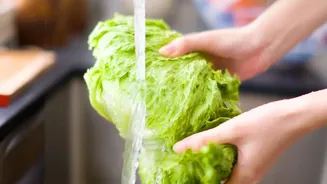
To get the most out of your crisper drawers, apply these simple hacks tailored for Indian produce. First, don't wash your vegetables before storing them; excess water encourages mold. Wash them just before use. For extremely delicate items like coriander and mint, you can wrap the unwashed stems in a damp paper towel and place them in a partially open bag inside the high-humidity drawer. This provides moisture without soaking the leaves. Don't overpack the drawers. Good air circulation is crucial for preventing spoilage, even in a high-humidity setting. Finally, remember to keep ethylene-producing fruits like apples far away from your leafy greens and vegetables like cucumbers, which are highly sensitive to the gas and will yellow and decay quickly.