






The Crude Oil Connection
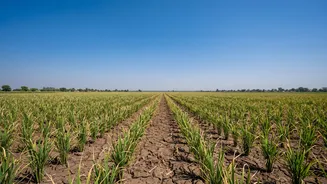
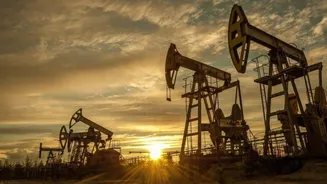
Modern agriculture runs on energy, and in India, that largely means diesel. India imports over 85% of its crude oil, so when global prices rise, the impact is felt almost immediately. Diesel powers the tractors that plough fields, the pumps that irrigate
crops, and the trucks that transport produce from farms to mandis and finally to local stores. Even a small increase in fuel prices raises the operational costs for farmers at every stage of cultivation. For small and marginal farmers who rent machinery, these higher costs directly squeeze their already thin profit margins, making farming more expensive before a single seed is even planted. This initial cost gets passed down the supply chain, contributing to higher food prices for consumers.
The Fertiliser Factor
Fertilisers are essential for crop yields, but India is heavily dependent on imports for these critical nutrients. The country imports a significant portion of its urea and nearly all of its phosphatic (DAP) and potassic (MOP) fertilisers, or the raw materials needed to produce them. Fertiliser production itself is an energy-intensive process that relies on natural gas, the price of which is often linked to crude oil. When global energy prices surge due to geopolitical events or supply disruptions, the cost of producing and importing fertilisers skyrockets. This creates a double-whammy: a higher import bill for the fertilisers themselves and higher costs for the energy needed to make them domestically.
The Currency Conundrum
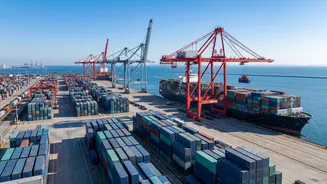
The third piece of the puzzle is the exchange rate. International trade for major commodities like crude oil and fertilisers is conducted in US dollars. When the Indian rupee weakens, or depreciates, against the dollar, it means more rupees are needed to buy the same amount of goods. This makes all imports, including oil and fertilisers, more expensive in local currency. A weaker rupee essentially amplifies the impact of high global commodity prices. For example, even if the dollar price of crude oil remains stable, a depreciating rupee will still increase the landing cost in India, pushing up domestic fuel prices and, consequently, farming costs.
The Government’s Tightrope Walk
To protect farmers and consumers from these volatile global prices, the Indian government provides substantial subsidies, especially on fertilisers. Farmers pay a heavily subsidised Maximum Retail Price (MRP) for nutrients like urea, with the government bearing the difference between this price and the actual cost of import or production. While this shields farmers in the short term, it places immense strain on the national budget. As global prices for fertilisers and the gas needed to produce them rise, the subsidy bill balloons, forcing the government to make difficult fiscal choices. These subsidies prevent the full force of global price hikes from hitting farmers directly but create a significant financial burden for the government.
From Farm to Your Table
These three factors—oil, fertiliser, and currency—don't operate in isolation. They create a chain reaction. Higher global crude prices make fuel more expensive. This not only increases direct farming costs like running tractors and irrigation pumps but also drives up the price of energy-intensive fertilisers. A weaker rupee further inflates the import bill for both oil and fertilisers. Farmers face mounting input costs, which either reduces their profitability or gets passed on through the supply chain. The higher transportation costs for moving produce from farm to market add another layer of expense. The end result is what every consumer sees: higher prices for vegetables, grains, and other essential food items at their local market.