




The Backlash Against Burnout
The era of high-intensity interval training (HIIT) as the undisputed king of cardio appears to be waning. For years, boutique studios and fitness influencers preached the gospel of short, brutal workouts designed to maximize calorie burn in minimum time.
However, a growing number of gym-goers are reporting burnout, fatigue, and a feeling that constant intensity is hard to maintain. In response, the fitness industry is seeing a significant shift towards more sustainable, lower-intensity methods like Pilates, functional strength training, and, most notably, steady-state cardio. This isn't about being lazy; it's about being smart, focusing on longevity, recovery, and building a solid foundation for lifelong fitness.
What Exactly Is Zone 2?
Zone 2 refers to exercising at a low-to-moderate intensity, typically around 60% to 70% of your maximum heart rate. Think of it as the 'conversational pace.' It’s an effort level where you're working and breathing is deeper, but you can still comfortably hold a full conversation without gasping for air. If you can sing, you're likely in Zone 1 (very light activity); if you can only get out a few words at a time, you've pushed into higher zones. This steady, repeatable effort is the opposite of the all-out bursts found in HIIT. The goal isn't exhaustion but consistency over a longer duration, usually 30 minutes or more.
Why the Indoor Rower Is the Ideal Machine
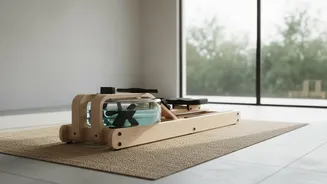
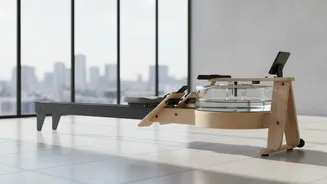
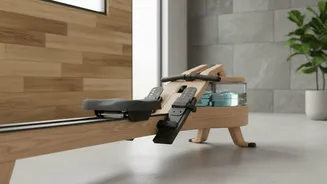
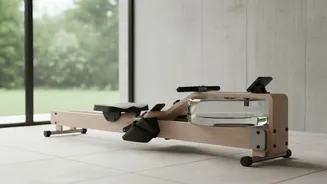
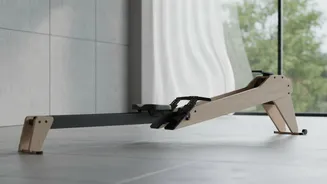
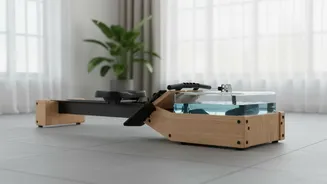
While you can perform Zone 2 training with any cardio activity, from a brisk walk to a light jog, the indoor rower is an exceptionally effective tool for it. Rowing engages over 85% of your body's muscles in a single, fluid motion, providing a full-body workout that's difficult to replicate. This makes it highly efficient for cardiovascular conditioning. Furthermore, rowing is a non-weight-bearing, low-impact exercise, which means it places minimal stress on your joints, tendons, and ligaments. This reduces the risk of injury often associated with high-impact activities and allows for more frequent training sessions, making it an excellent choice for building a durable aerobic base.
The Science Behind the Slow Burn
The magic of Zone 2 training happens at a cellular level. Working in this zone primarily trains your Type I (slow-twitch) muscle fibers and improves the function and density of your mitochondria—the powerhouses of your cells. This enhances your body's ability to use fat as a primary fuel source, sparing glycogen for more intense efforts. Consistent Zone 2 work builds a robust aerobic base, improves cardiovascular health, and boosts endurance. Over time, this training helps you recover faster and makes harder efforts feel more sustainable because your body becomes more efficient at clearing metabolic byproducts like lactate.
How to Find Your Zone 2 Pace
Finding your Zone 2 is straightforward. The simplest method is the talk test: row at a pace where you can speak in complete sentences. For a more data-driven approach, you can calculate your heart rate zones. A common formula to estimate your maximum heart rate (MHR) is 220 minus your age. Your Zone 2 range is then 60% to 70% of that number. For example, a 40-year-old has an estimated MHR of 180 (220 - 40). Their Zone 2 heart rate would be between 108 and 126 beats per minute. Using a heart rate monitor from a chest strap or smartwatch can help you stay in this range, ensuring your effort remains steady and effective throughout the workout.