









The Age-Old Harvest Dilemma
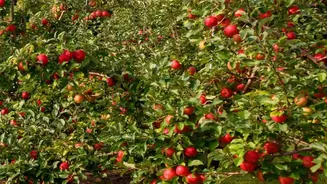
For generations, the end of apple harvesting season in Kashmir marked the beginning of a frantic race against time. With a perishable product and limited infrastructure, growers were often forced into distress sales. Middlemen and commission agents could
dictate low prices, knowing that farmers lacked the ability to hold their produce. Any delay, especially disruptions on the critical Srinagar-Jammu highway, could lead to massive spoilage and financial ruin. This annual cycle of oversupply at harvest time, coupled with logistical bottlenecks, meant that a significant portion of the year's hard work could be lost, depressing market rates and slashing incomes for the region's 3.3 million stakeholders. The lack of adequate storage left growers vulnerable, unable to wait for more favourable market conditions during the off-season.
The Controlled Atmosphere Game-Changer
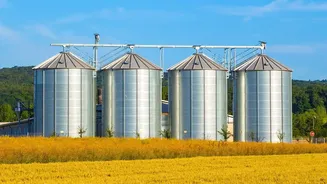
The most significant innovation transforming this landscape is the widespread adoption of Controlled Atmosphere (CA) storage. Unlike conventional cold storage that only manages temperature, CA facilities regulate the entire environment, precisely controlling levels of oxygen, carbon dioxide, and humidity. This technology slows down the ripening process far more effectively, extending the shelf life of A-grade apples by six to ten months without significant loss of quality, firmness, or taste. This technological leap has been a lifeline for growers, allowing them to move away from the harvest-time rush and sell their produce gradually throughout the year. The ability to store fruit for longer periods has fundamentally shifted the power dynamic, giving farmers greater bargaining power and protection from market volatility.
Strengthening the Entire Supply Chain
While CA storage is the centerpiece, the innovation extends across the entire logistics chain. The growth of industrial hubs like Lassipora in Pulwama, which hosts one of South Asia's largest clusters of CA units, points to a more integrated approach. Improvements now include better pre-cooling, sorting, and grading facilities, ensuring that only high-quality fruit enters long-term storage. Government schemes under programs like the Mission for Integrated Development of Horticulture (MIDH) and Pradhan Mantri Kisan Sampada Yojana (PMKSY) are providing financial assistance for establishing these integrated cold chains, which also include refrigerated vans for transport. This end-to-end management helps preserve the quality of the apple from the moment it leaves the orchard until it reaches the consumer, reducing post-harvest losses that have historically plagued the industry.
Real Gains for Kashmir's Growers
The impact of these logistical upgrades is tangible. The primary benefit is the prevention of distress sales, which once forced farmers to accept rock-bottom prices. By regulating supply to the market, growers can now wait for demand to peak and prices to become more favorable, often months after the harvest. This has led to more stable and encouraging returns, even with occasional market fluctuations. While challenges remain, such as ensuring only properly matured, high-grade apples are stored and managing high energy costs, the overall effect has been one of economic empowerment. Growers report that having access to CA facilities has strengthened their bargaining power and helped them secure better profits than they would have by selling immediately after harvest. It has become a crucial tool for navigating market gluts and logistical disruptions, turning a perishable crop into a more stable asset.