



The Rotisserie Chicken Renaissance
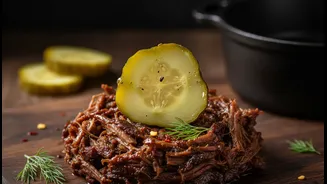
Think of a store-bought rotisserie chicken not as dinner, but as perfectly cooked, seasoned, and shredded meat ready for a starring role. The bird itself is just the beginning. By taking a few minutes to pull the meat from the bones, you create a foundation
for countless meals. This pre-cooked protein can be tossed into pastas, folded into quesadillas, or piled onto a pizza. Mix it with a Thai peanut sauce for a quick salad, roll it into enchiladas with a simple tomatillo sauce, or use it to bulk up a simple chicken noodle soup for a comforting meal that tastes like it took hours. The convenience here isn't just the cooking; it's the prep work you get to skip.
The Humble Can of Beans
Canned beans and lentils are pantry powerhouses, packed with protein and fiber, and they are already cooked, saving you the long soaking and simmering process. The key is to see them as a textural and nutritional building block. Rinsing canned beans can remove a significant amount of sodium. You can mash chickpeas with avocado and lime for a quick sandwich filling, blend them into a creamy hummus, or stir them into a curry for a hearty 30-minute meal. Black beans can be the base for veggie burgers or added to quinoa salads. Lentils and kidney beans can be simmered with canned tomatoes and spices to create a rich, satisfying stew or casserole in under an hour.
Frozen Vegetables, Unleashed
Frozen vegetables often get a bad rap, but they are picked and frozen at peak freshness, locking in nutrients. The trick is to cook them correctly. Instead of steaming them into submission, use high heat. Roasting frozen broccoli or cauliflower with a sprinkle of Parmesan turns it into a delicious side dish. A bag of frozen mixed vegetables is the perfect starter for a quick stir-fry or fried rice; just be sure not to overcrowd the pan so they crisp up instead of getting soggy. Frozen spinach can be thawed, squeezed of excess water, and stirred into pasta sauces, dips, or casseroles for an easy boost of greens.
Jarred Sauces as a Starting Point
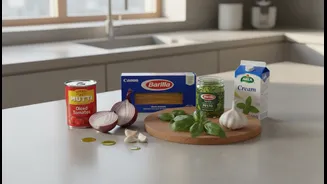
A jar of pasta sauce is not a finished product; it’s a canvas. You can transform a basic marinara by sautéing aromatics like onion, garlic, and red pepper flakes before adding the sauce. To add richness and depth, stir in a splash of cream, a pat of butter, or even a Parmesan rind while it simmers. If the sauce tastes too acidic, a small pinch of sugar can balance it out. You can also boost its nutritional value by adding protein like ground meat or plant-based crumbles, or by stirring in vegetables like chopped spinach or roasted peppers.
Pre-Cooked Grains for the Win
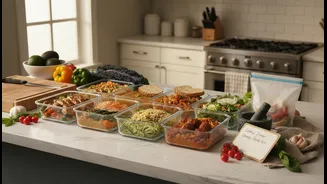
Cooking grains like quinoa, farro, or brown rice from scratch isn't difficult, but it takes time. Pouches of pre-cooked grains are a game-changer for quick meals. You can use them to build a fast grain bowl by topping them with some of that rotisserie chicken, canned beans, and whatever fresh or frozen vegetables you have on hand. They can also be used to add bulk to soups and salads or serve as a simple side dish that's ready in minutes. This shortcut eliminates a solid 20-40 minutes of cooking time, making a healthy weeknight dinner far more achievable.