
The Legend and Legacy of Mathura's Peda
The story of the peda is inseparable from the identity of Mathura. Situated in the Braj region of Uttar Pradesh, an area historically rich in dairy farming, milk and its derivatives are central to the local culture and cuisine. Folklore connects the sweet
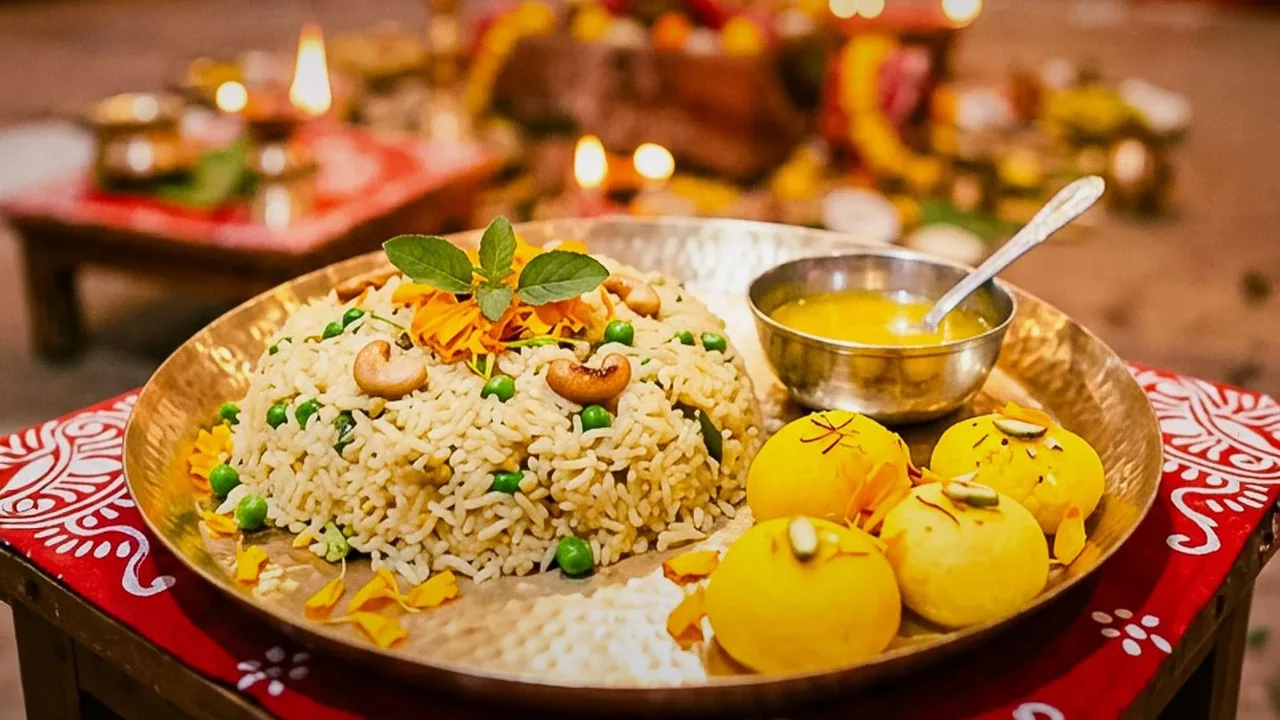
directly to Lord Krishna; one popular tale recounts how his mother, Yashoda, accidentally over-boiled milk, sweetened the thickened result, and created a treat he loved. This connection has cemented the peda's role as a primary 'prasadam', or religious offering, in the temples of Mathura and nearby Vrindavan. Pilgrims and tourists alike consider a box of these sweets an essential souvenir, carrying a taste of Braj back home with them. This practice has elevated the 'Mathura ke Pede' from a local delicacy to a nationally recognized brand.
What Makes a Mathura Peda Unique?
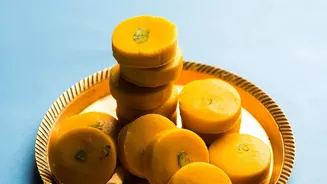
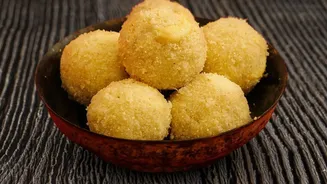
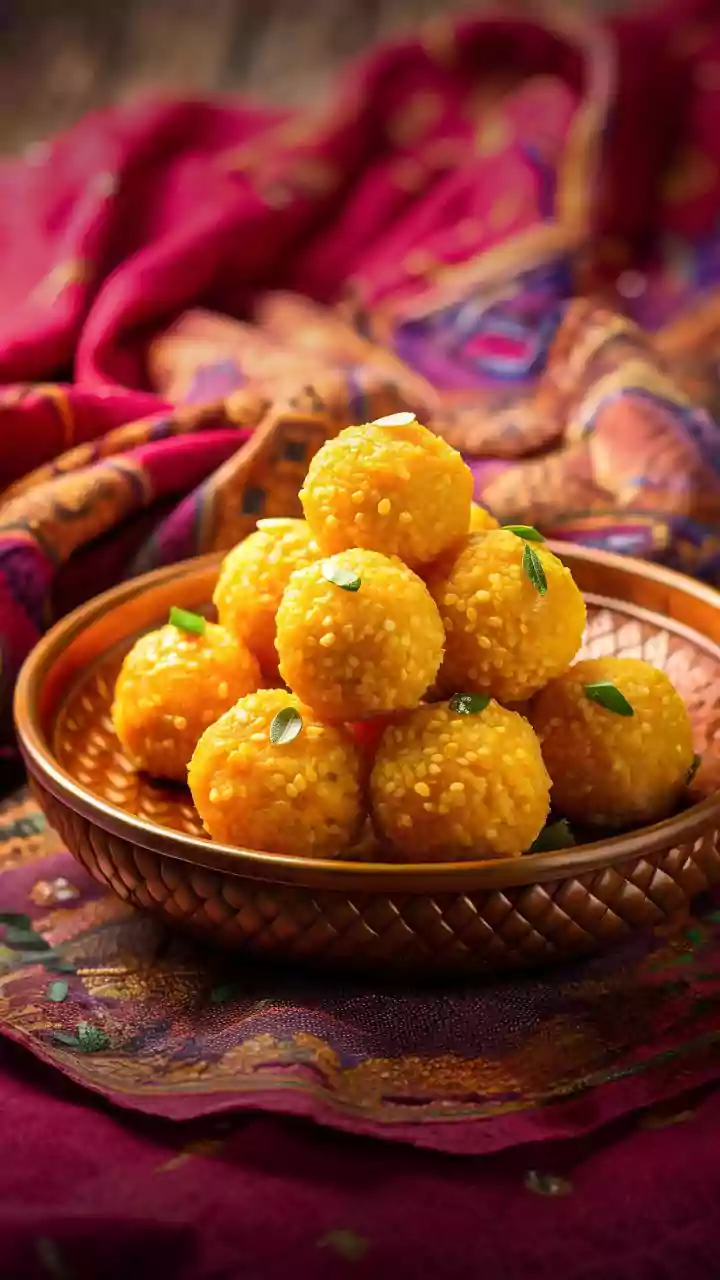
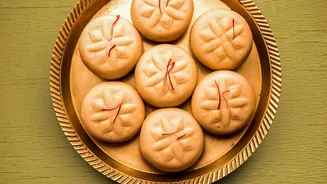
The secret to the Mathura Peda's distinct character lies in its preparation. The process begins with khoya, or mawa, which are milk solids obtained by slowly simmering full-cream milk for hours until the liquid evaporates. For the Mathura variety, this khoya is then roasted, often with ghee, until it develops a signature brown colour and a rich, caramelised flavour. This roasting process gives the peda a slightly grainy, or 'danedar', texture that sets it apart from softer, paler versions. After roasting, it's mixed with a specific type of sugar called 'tagar' or 'boora', which is a less-refined, crystalline sugar, and flavoured with cardamom before being shaped into its familiar round form.
A Southern Cousin: The Dharwad Peda
While Mathura is the undisputed king of the peda world, a famous variation from the south offers a fascinating contrast. The Dharwad Peda, from Karnataka, has a history stretching back over 175 years and holds a Geographical Indication (GI) tag. Its origin is linked to the Thakur family, confectioners who migrated from Unnao, Uttar Pradesh, in the 19th century and adapted their skills to the local resources. Unlike the light brown Mathura Peda, the Dharwad version is a deep, dark brown. This colour comes from slow-cooking milk and sugar together for an extended period, allowing the sugar to caramelise deeply. The result is a chewier, grainier sweet with a pronounced caramel edge, which is then rolled in powdered sugar.
The Great Divide: Khoya vs. Chhena
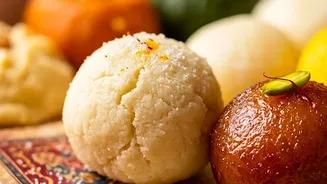
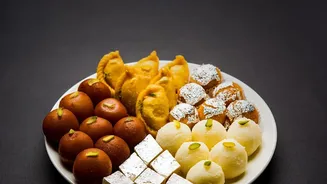
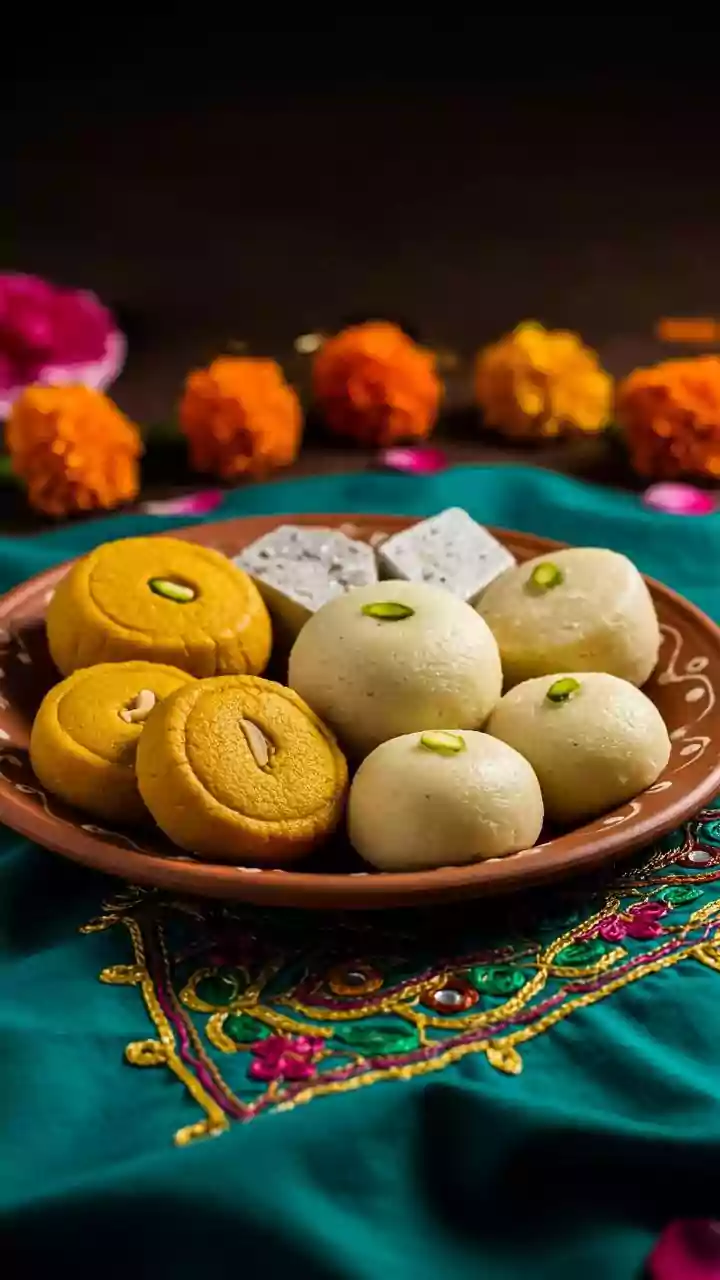
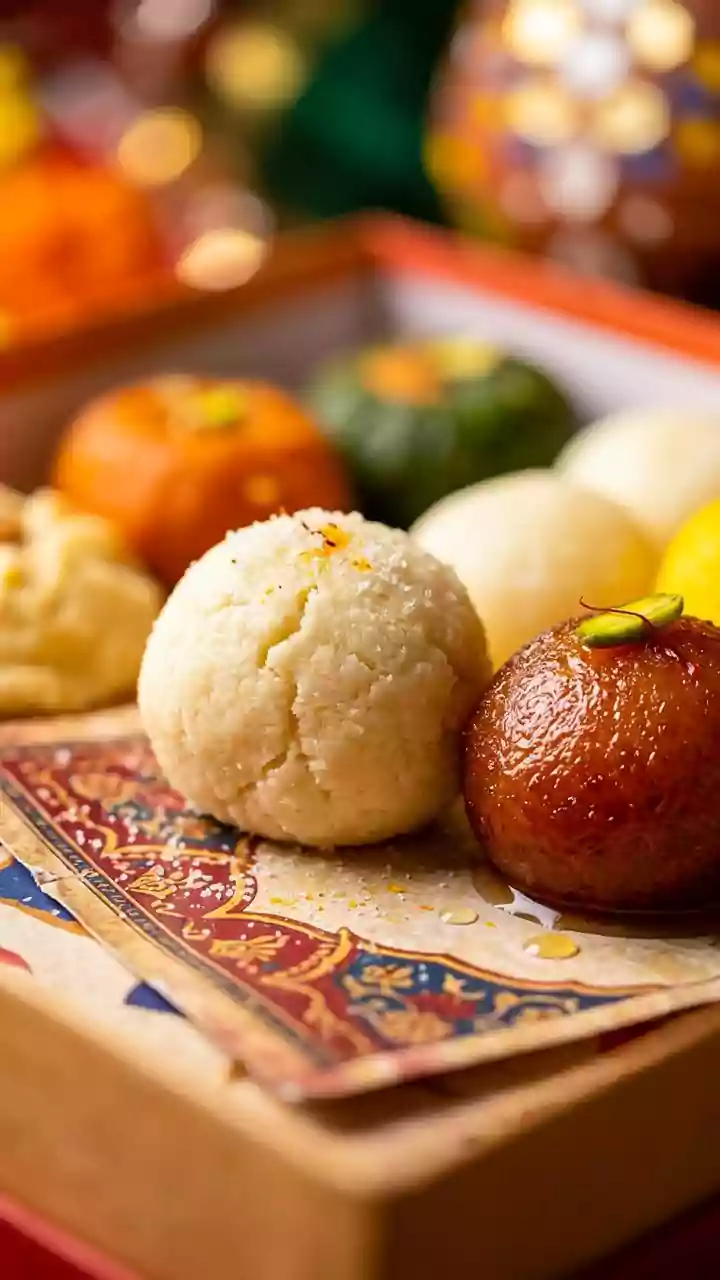
To understand the vast diversity of Indian milk sweets, one must first understand the two foundational ingredients: khoya and chhena. Khoya is produced by the slow evaporation of milk, resulting in concentrated milk solids with a rich, nutty taste. It's the base for dense, fudge-like sweets such as peda, barfi, and milk cake. Chhena, on the other hand, is created by curdling milk with an acidic agent like lemon juice and then draining the whey. This process yields a soft, delicate, and moist cheese solid. Chhena is the star ingredient in Eastern India, particularly Bengal, forming the basis for spongy, syrup-soaked sweets like Rasgulla and the delicately flavoured Sandesh. The fundamental difference between heat reduction (khoya) and acid coagulation (chhena) is what creates the incredible range of textures in Indian mithai.
A Tour of Regional Milk-Based Delicacies
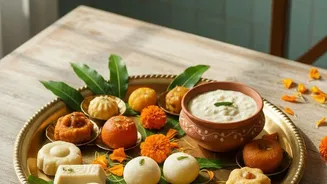
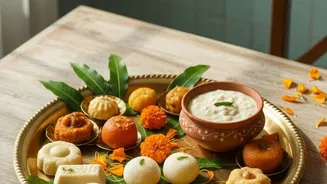
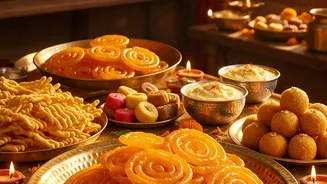
Beyond the world of pedas, India's regions offer a spectacular array of milk-based desserts. In Rajasthan, Alwar is famous for its Milk Cake, or Kalakand, a grainy and juicy sweet made by cooking milk, sugar, and ghee until it solidifies into a crumbly cake. West Bengal's Sandesh is a masterpiece of subtlety, made from fresh chhena and often flavoured delicately with cardamom or saffron. From the north, Rabri is a luxurious dessert of thickened, layered cream, slow-cooked for hours until it's incredibly rich and often served with other sweets like jalebi. And in the west, Gujarat and Maharashtra offer Shrikhand, a creamy dessert made from strained yogurt, sweetened and flavoured with saffron and cardamom, showcasing yet another way milk can be transformed into a celebratory treat.