



The Age-Old Fight in the Fields
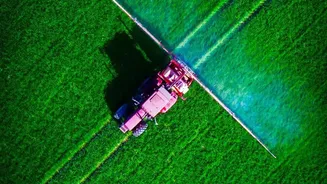
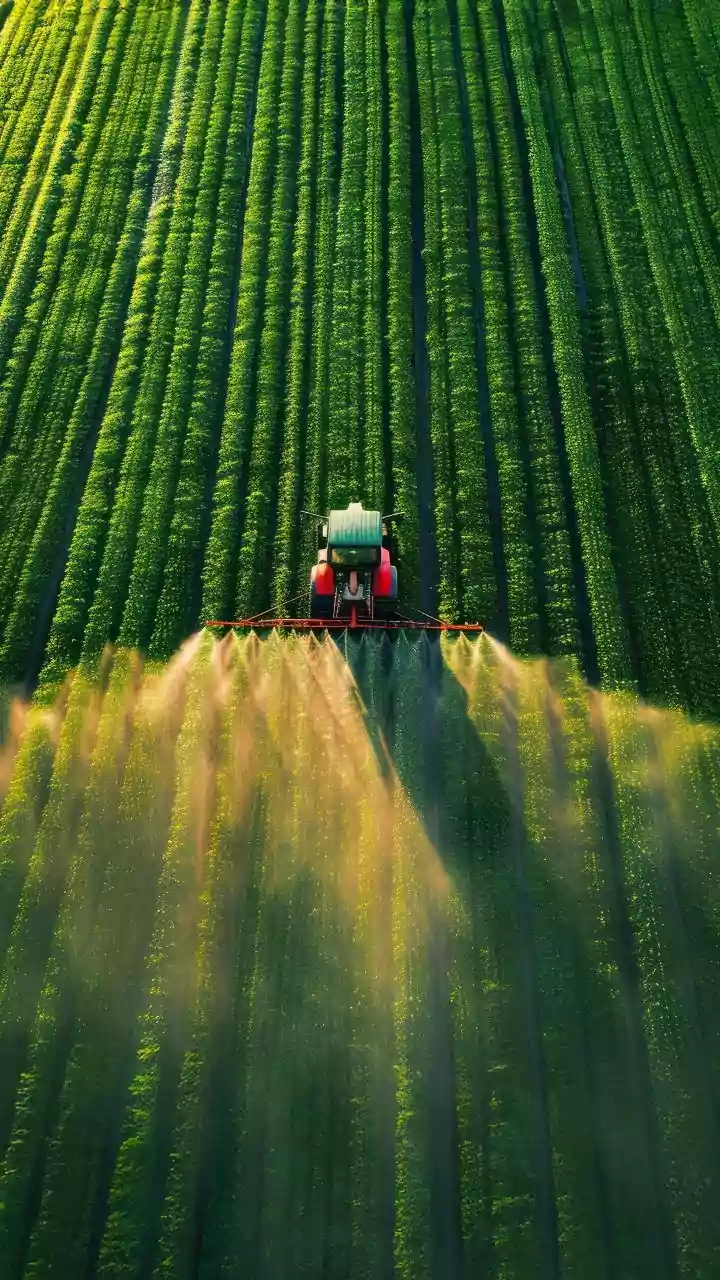
Agriculture in Punjab, the breadbasket of India, is a high-stakes endeavor. Farmers invest their livelihoods in their crops, but success is never guaranteed. Unpredictable weather, pest infestations, and fungal diseases can wipe out a season's hard work
in a matter of days. Traditionally, identifying the exact cause of a wilting leaf or a discolored stem relied on experience, guesswork, or advice from local agricultural suppliers. This process can be slow and imprecise. Misdiagnosing a problem could lead to applying the wrong pesticide or fertilizer, wasting precious money and potentially harming the crop and soil further. With small landholdings being the norm, even a partial crop loss can have devastating financial consequences for a farming family.
An Agronomist in Your Pocket
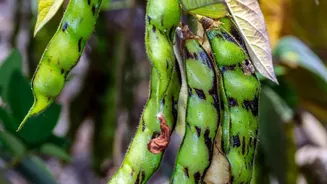
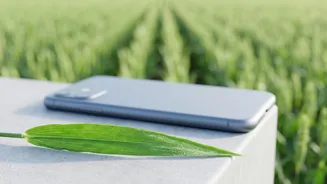
This is where modern technology offers a revolutionary solution. A new generation of mobile applications, often available for free, uses artificial intelligence to provide instantaneous crop analysis. Apps like Plantix, Fasal Doctor, and AgriVision AI are designed for the realities of rural farming. A farmer simply needs to take a clear photo of an affected part of a plant—a leaf, stem, or fruit. The app’s AI, which has been trained on hundreds of thousands of images of plant diseases, then analyzes the photo. Using sophisticated image recognition, the app identifies characteristic signs of specific pests, nutrient deficiencies, or diseases like rusts, blights, and mildews.
From Pixels to a Precise Prescription
Within seconds, the application delivers a diagnosis directly to the farmer's screen, often with a confidence score indicating the AI's certainty. But it doesn't stop there. Crucially, these apps also provide an immediate, actionable treatment plan. This can include recommendations for specific, locally available pesticides or fungicides, correct dosage instructions, and guidance on preventive measures to stop the problem from spreading. The entire process is designed to be simple and intuitive. One of the most significant advantages is that many of these apps are built to work offline. By packaging the AI models directly within the application, they can perform diagnoses even in remote fields with no internet connectivity, a common challenge in rural India.
The Impact of Early Warnings
The core benefit of this technology is early and accurate detection. By catching a disease at the first sign, farmers can act swiftly to contain it, often saving the majority of their harvest from ruin. This stands in stark contrast to waiting for visible, widespread damage, by which point it is often too late. Furthermore, by identifying the specific threat, these AI scanners help promote a more targeted approach to chemical use. Instead of broad-spectrum spraying based on a hunch, farmers can use the right product for the right problem. This not only cuts input costs but also reduces the unnecessary dumping of chemicals into the environment, contributing to more sustainable farming practices. While large-scale data for Punjab is still emerging, similar AI initiatives in other Indian states have shown remarkable results, with farmers reporting significant increases in yield and income while decreasing pesticide use.
A Glimpse into the Future of Farming
The rise of these AI-powered tools represents a fundamental shift in agriculture, democratizing access to expert-level agronomic advice. It puts powerful data-driven decision-making, once the preserve of large corporations, into the hands of smallholder farmers. This technology is not about replacing the farmer's knowledge but augmenting it with the precision of machine learning. As smartphone penetration continues to grow in rural India and the AI models become even more sophisticated, these crop scanners are poised to become an indispensable tool. They offer a scalable, low-cost way to enhance food security, improve farmer livelihoods, and build a more resilient agricultural sector not just in Punjab, but across the nation.