




The Shore You Don't Expect
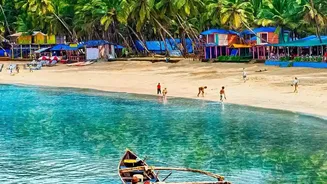
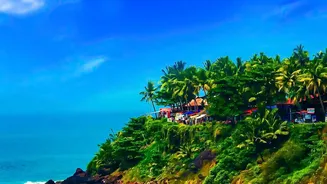
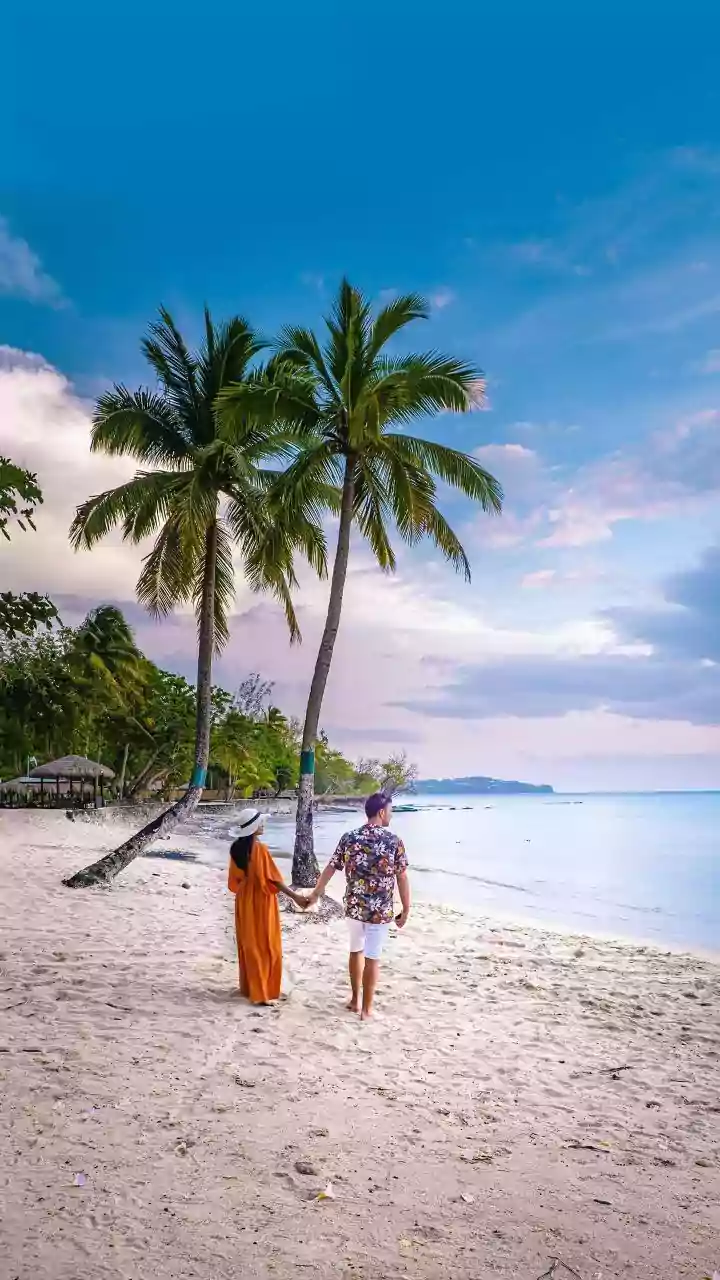
The journey begins, as it often does, at the beach. But Manginapudi Beach, about 11 kilometres from the main town, immediately signals that Machilipatnam is different. Instead of golden sands, you’ll find a shoreline distinguished by its unique black
soil. The waves are gentle and the water is shallow, creating a calm, serene atmosphere far from the commercial bustle of more crowded coastal destinations. It’s a place for leisurely strolls and quiet reflection, watching fishing boats head out into the Bay of Bengal. This tranquil coast, once a major gateway for maritime trade to India, now serves as a peaceful entry point for travellers looking to unwind. While you can find water sports and horseback rides, the real allure of this beach is its quiet charm and the subtle hints of a deeper history.
Echoes of a Global Port
To understand Machilipatnam, you must look beyond its present-day tranquility and into its storied past. Historically known as Masulipatnam, this was not just a town but a thriving international port, coveted by empires. The British established their first trading settlement on the Bay of Bengal here in 1611. Before and after, the city was a strategic prize for Dutch, French, and British powers, all vying for a piece of its lucrative trade in textiles and Golconda diamonds. Though time has weathered many of the grand structures, remnants of this colonial past are scattered throughout the area. An old lighthouse stands as a silent sentinel, and the ruins of a Dutch fort and an old cemetery whisper tales of a bygone era of global commerce and cultural exchange.
Threads of an Artistic Tradition
The most vibrant thread in Machilipatnam’s cultural fabric is its world-renowned Kalamkari art. This ancient craft, whose name translates to 'pen-work', finds a unique expression here. The Machilipatnam style is distinct for its use of hand-carved wooden blocks to print intricate designs onto fabric, a contrast to the freehand pen-drawing style of Srikalahasti. Historically influenced by Persian aesthetics from centuries of trade, the motifs often feature elaborate floral patterns, vines, and symmetrical designs. A short trip to the nearby village of Pedana, the heart of this craft, offers a chance to see artisans at work. This art form, which received a GI tag in 2013, is more than just a textile; it is a living chronicle of the region's history as a cultural crossroads.
A Taste of the Bandar Legacy
No exploration is complete without savouring the local flavours, and Machilipatnam, or Bandar as it is locally known, offers a treat that is as famous as its textiles: the Bandar Laddu. This is not your average sweet. Also called Thokkudu Laddu, it earned a GI tag for its unique preparation. The process involves pounding gram flour and jaggery to create a melt-in-your-mouth texture that is distinct from any other laddu. The sweet is a testament to the town's culinary heritage, a recipe reportedly introduced by migrants and perfected over generations. Along with the abundance of fresh seafood from the Bay of Bengal, the flavours of Machilipatnam provide a delicious link to its identity as a port city that has welcomed and absorbed influences from far and wide.