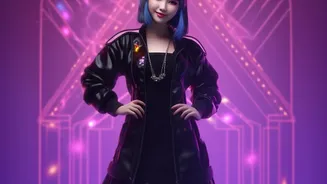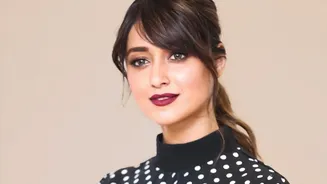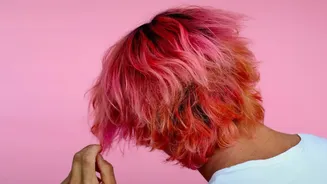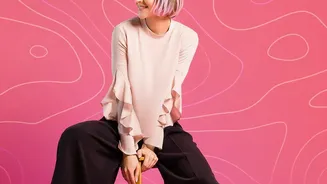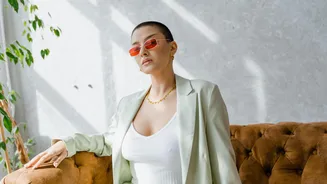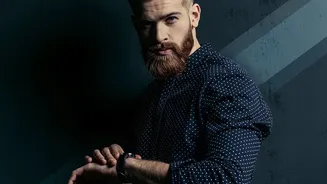



Once a symbol of rebellion, the undercut is now a mainstream marvel. This bold hairstyle, defined by its short sides and long top, is being adopted by men and women alike as a powerful tool for self-expression, blending edgy roots with modern chic.
The Undercut Defined
At
its core, an undercut is all about contrast. The style involves shaving or closely clipping the hair on the sides and back of the head while leaving the hair on top significantly longer. This creates a 'disconnected' look, where there's a sharp, clean line separating the two lengths, unlike a fade which blends them gradually. Its appeal lies in this very drama—the sharp distinction offers a clean, modern vibe that feels both intentional and stylish. But beyond its edgy appearance, the undercut is celebrated for its practicality. It can remove significant bulk from thick hair, reduce drying and styling time, and offer a cooler feel, making it as functional as it is fashionable.
For Men: A Modern Classic
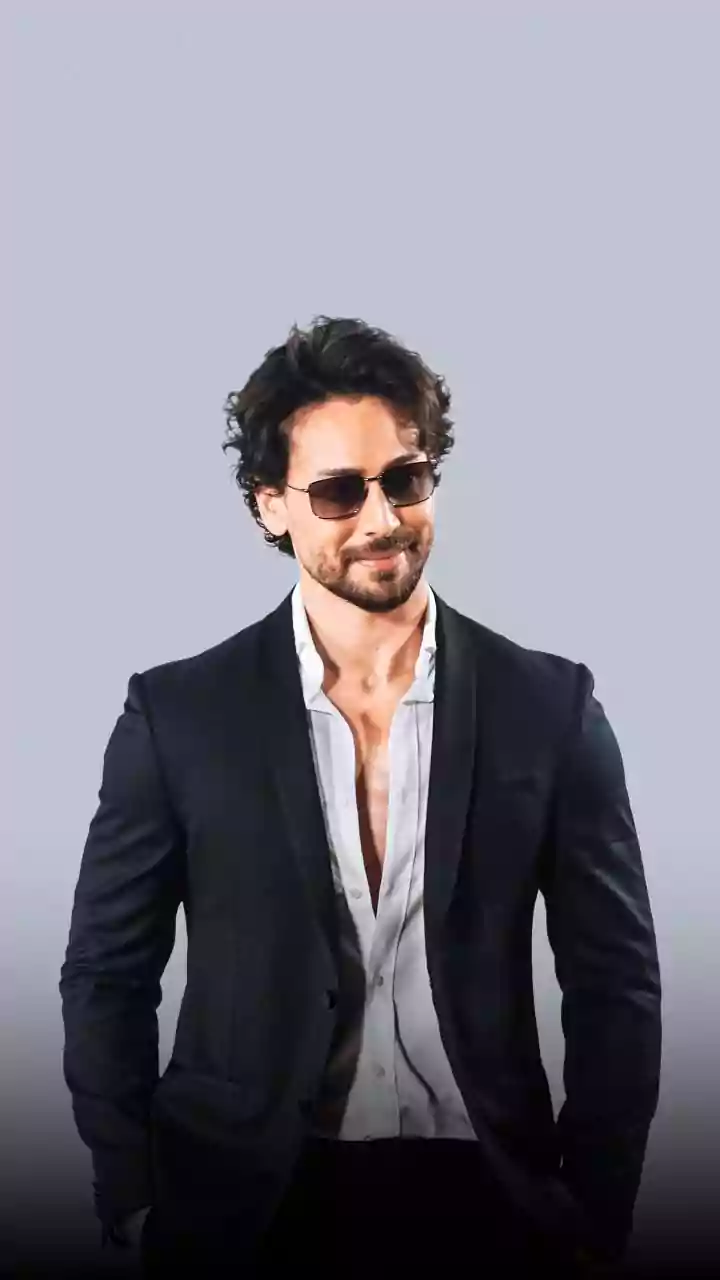
For men, the undercut has evolved from a trendy statement to a timeless staple. While the ultra-sharp, slicked-back look of the 2010s is still around, today's variations often lean towards softer, more textured styles. Popular choices include the 'undercut quiff,' which features messy, relaxed height at the front, and the 'textured crop,' a shorter, choppier look. Many now opt for a 'faded undercut,' which softens the harsh line of the classic version by blending the sides, offering a more forgiving and professional look that grows out gracefully. The style's versatility allows it to be paired with anything from a man bun to a pompadour, adapting to both corporate and creative environments.
For Women: A Statement of Confidence
Women have also embraced the undercut, transforming it into a symbol of confidence and personal flair. The options are incredibly diverse. One of the most popular styles is the 'nape undercut,' a hidden section shaved at the back of the neck that is only revealed when the hair is worn up. This 'peek-a-boo' style offers a surprise element, allowing for a professional look by day and an edgier one by night. Others opt for more visible statements, like a bold side shave that creates a striking asymmetrical look, or intricate geometric or floral designs buzzed into the short sections. From pixie cuts to bobs, the undercut can be incorporated to remove bulk and add a modern twist to almost any existing hairstyle.
A Hairstyle with History
Though it feels distinctly modern, the undercut has a rich and varied history stretching back over a century. In the early 20th century, it was a practical cut favored by working-class men and soldiers in World War I for hygiene and convenience. Its association with rebellion grew as it was adopted by street gangs who found shorter hair advantageous in fights. The style saw revivals in the punk and new wave movements of the 1980s before exploding back into mainstream fashion in the 2010s, partly thanks to television shows like 'Peaky Blinders' and celebrities like David Beckham and Rihanna.
Beyond the Binary
Today, the undercut's journey from a utilitarian men's cut to a unisex style statement says a lot about our evolving views on identity. Its adoption by people of all genders has stripped it of its staunchly masculine origins, recasting it as a tool for pure self-expression. It's a haircut that can be whatever the wearer wants it to be: rebellious, sophisticated, practical, or playful. Whether it's hidden or on full display, intricately designed or simply clean-shaven, the undercut allows individuals to showcase their personality on their own terms, making it one of the most versatile and enduring hair trends of our time.