




Meet Ragi: The Ancient Superfood
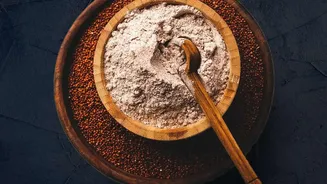
Ragi, also known as finger millet, is a nutrient-dense cereal grain that has been a staple in Indian households for centuries, particularly in the southern states. Despite its long history, ragi is experiencing a modern-day resurgence as people rediscover
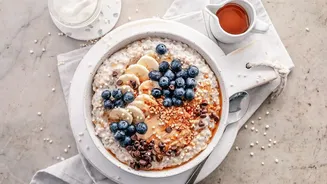
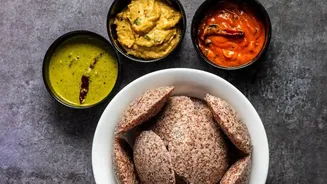
its impressive health benefits. This hardy grain is naturally gluten-free, making it an excellent choice for individuals with celiac disease or gluten sensitivity. Its earthy and nutty flavour lends itself well to a variety of dishes, from traditional porridge and rotis to contemporary pancakes and dosas. What makes ragi truly stand out is its exceptional nutritional profile, which sets it apart from many other common grains.
A Powerhouse of Nutrition
The health benefits of incorporating ragi into your diet are numerous. It is one of the best plant-based sources of calcium, crucial for maintaining strong bones and teeth. Ragi is also rich in iron, which helps combat anaemia and boosts energy levels. Its high dietary fibre content aids in digestion, promotes a feeling of fullness to assist with weight management, and helps regulate blood sugar levels, making it particularly beneficial for diabetics. Furthermore, ragi contains essential amino acids, antioxidants, and a host of B-complex vitamins that contribute to everything from skin and hair health to boosting overall immunity.
Instant Savoury Ragi Crepe Recipe
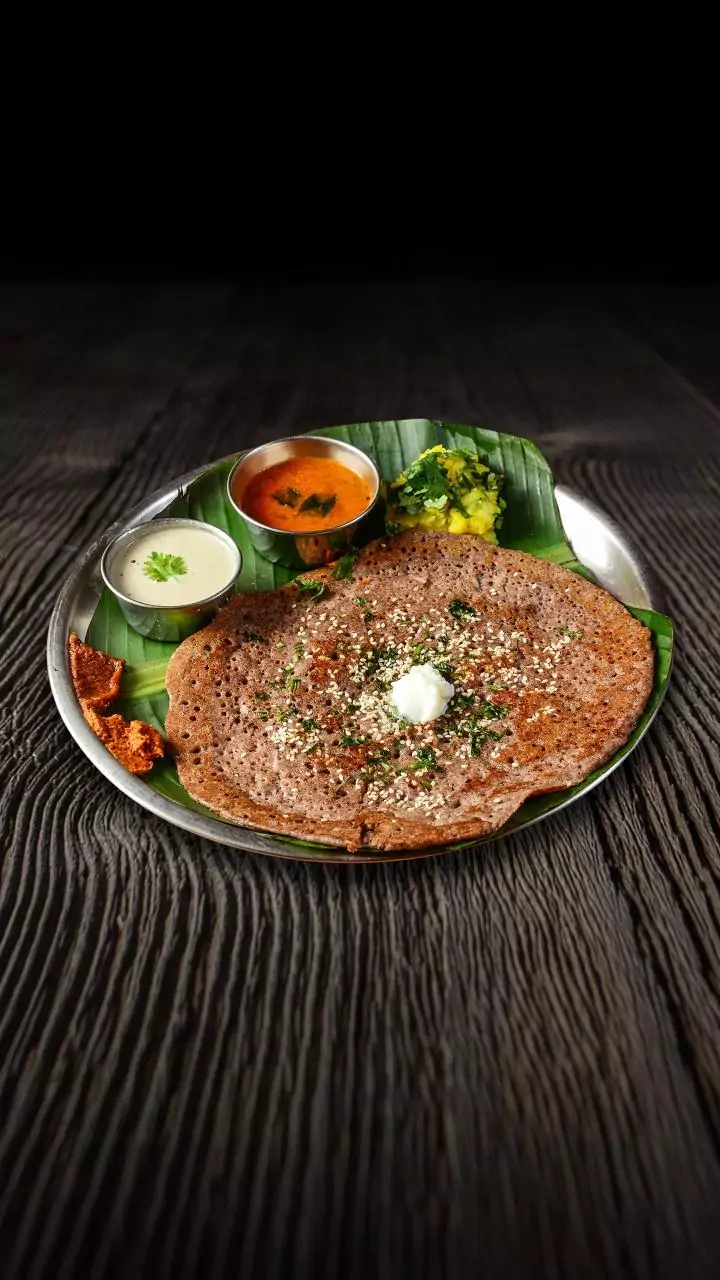
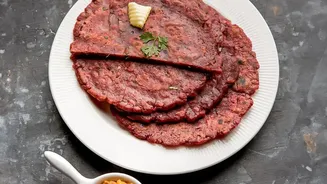
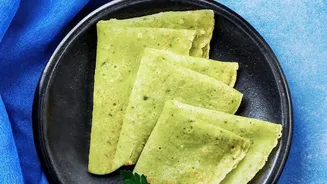
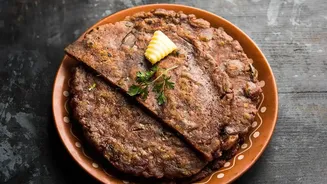
These savoury crepes, often called ragi dosa, are quick to make as they don't require any fermentation. This recipe yields crispy, lacy crepes perfect for a wholesome breakfast or light dinner. Ingredients: 1 cup ragi flour (finger millet flour) 1/2 cup rice flour (for crispiness) 1/4 cup fine semolina (rava/sooji) - skip for a fully gluten-free version and use more rice flour instead 1 small onion, finely chopped (optional) 1-2 green chillies, finely chopped 1 teaspoon cumin seeds A handful of fresh coriander leaves, chopped Salt to taste About 3-4 cups of water (adjust as needed) Oil or ghee for cooking
Step-by-Step Instructions
1. Prepare the Batter: In a large mixing bowl, combine the ragi flour, rice flour, and semolina (if using). Add the salt and cumin seeds and mix well. 2. Add Water: Gradually pour in the water while whisking continuously to prevent lumps. The goal is a thin, free-flowing batter, similar in consistency to buttermilk or thin pancake batter. A runny batter is key to achieving a crispy, lacy texture. 3. Add Flavourings: Stir in the finely chopped onion, green chillies, and coriander leaves. 4. Rest the Batter: Let the batter rest for at least 15-20 minutes. This allows the semolina to absorb water and the flavours to meld. 5. Cook the Crepes: Heat a non-stick or cast-iron tawa over medium-high heat. Once hot, stir the batter well, as the flour tends to settle. Pour a ladleful of the batter from a height in a circular motion, starting from the edges and moving towards the centre. Do not spread it with the ladle; let the batter create its own lacy pattern. 6. Crisp and Serve: Drizzle a little oil or ghee around the edges and cook on low to medium flame for 3-4 minutes, or until the edges become golden brown and start to lift from the pan. There is no need to flip it. Gently fold the crepe and serve hot.
Tips for Perfect Crepes
To ensure your ragi crepes turn out perfectly every time, keep these tips in mind. The batter's consistency is crucial; it must be thin and pourable. If it's too thick, the crepes will be soft instead of crispy. Always stir the batter right before making each crepe, as the flour settles quickly at the bottom. Maintain a consistently hot pan, and pour the batter from a slight height to help form that signature lacy texture. Be patient and cook the crepes on a low to medium flame to allow them to become crisp without burning.
Serving Suggestions
These savoury ragi crepes are incredibly versatile and pair beautifully with a variety of accompaniments. For a classic South Indian breakfast, serve them with coconut chutney, tomato chutney, or a bowl of hot sambar. A side of potato masala, similar to what's served with traditional masala dosa, also works wonderfully. For a simpler option, you can enjoy them with a dollop of curd or a sprinkle of chutney powder (podi) mixed with ghee. Feel free to get creative by adding other finely grated vegetables like carrots or cabbage to the batter for extra nutrition and texture.