
Mastering the Altitude
Acute Mountain Sickness (AMS) is the most significant health concern in Ladakh, with Leh city itself situated at over 11,000 feet. Symptoms like persistent headaches, dizziness, nausea, and fatigue should never be ignored. The golden rule is acclimatisation.
If you fly into Leh, dedicate the first 48 hours to complete rest. Avoid any strenuous activity, including quick walks or climbing stairs rapidly. This rest period allows your body to adjust to the lower oxygen levels. For those driving, the Srinagar-Leh highway offers a more gradual ascent compared to the Manali-Leh route, making it a better choice for acclimatisation. Hydration is crucial; aim to drink 3-4 litres of water daily, but avoid alcohol and smoking, as they can worsen AMS symptoms. Consulting a doctor about preventive medication like Acetazolamide before your trip is also a wise step.
Packing for Four Seasons in a Day
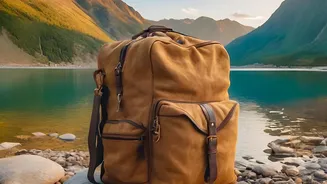
Late summer weather in Ladakh is notoriously unpredictable. While daytime temperatures in August and September can be pleasant, ranging from 15°C to 25°C, they drop sharply after sunset, often nearing freezing point in higher areas like Pangong Tso or Tso Moriri. The key is layering. Pack thermal innerwear, fleece jackets, and a windproof and waterproof outer layer. A warm cap, gloves, and multiple pairs of woollen socks are non-negotiable, especially for evenings and early mornings. Even on cloudy days, the UV radiation at high altitudes is intense, so carrying sunscreen (SPF 50+), sunglasses, and a wide-brimmed hat is essential for protection.
Navigating Roads and Permits
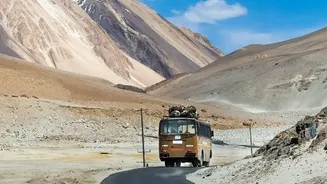
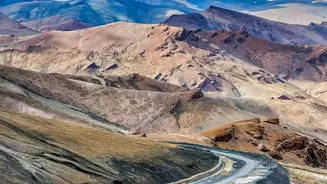
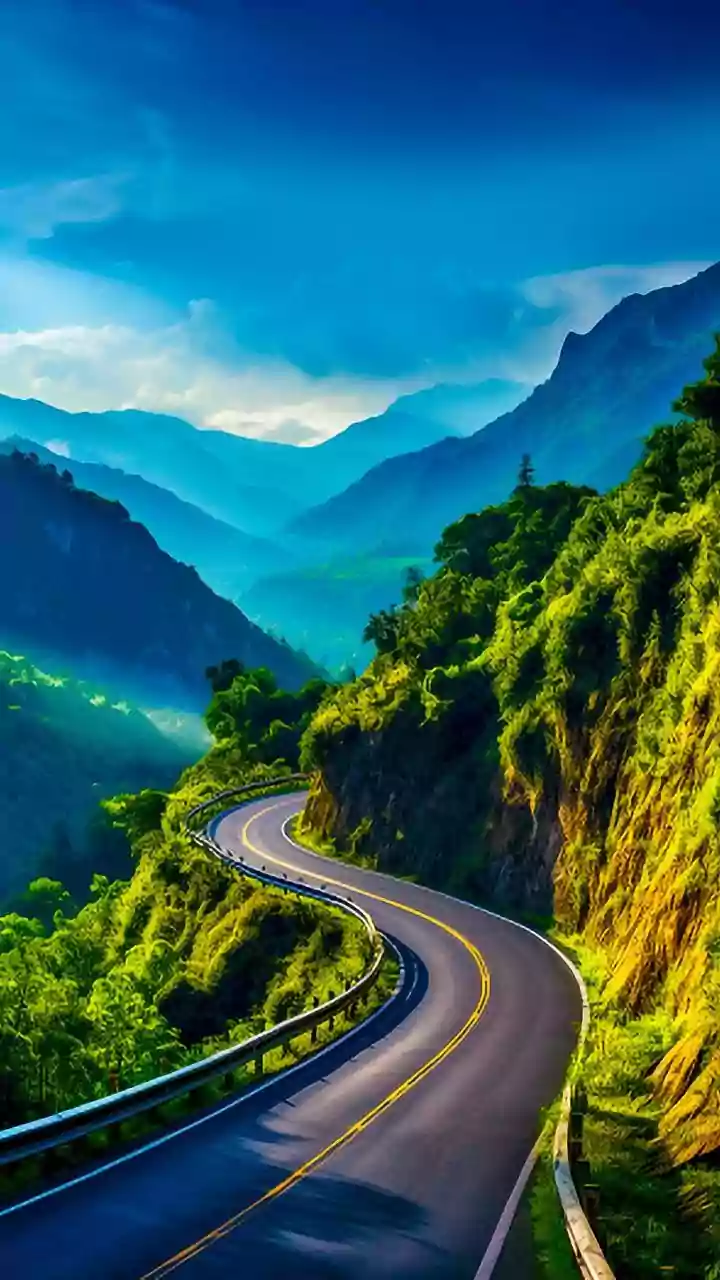
While August and September are generally considered good months for road travel, conditions can be tricky. The highways connecting to Leh, particularly the Manali-Leh route, can be susceptible to landslides or blockages from late monsoon showers in the lower Himalayas. Rapid snowmelt can also cause water crossings (nalas) to swell, especially in the afternoon. It's crucial to have buffer days in your itinerary to account for potential delays. For visiting popular areas like Nubra Valley, Pangong Tso, and Tso Moriri, Indian tourists need to pay an environment fee online and carry the receipt. This has largely replaced the older Inner Line Permit (ILP) system. Foreign nationals still require a Protected Area Permit (PAP). It’s best to arrange these online through the official Leh district portal before your trip and carry multiple printouts.
Health, Hydration, and Essentials
Beyond AMS, general wellness is key to enjoying your trip. The dry, cold climate can lead to dehydration and skin issues. Carry a reusable water bottle to remind yourself to drink water frequently. A basic first-aid kit containing medicines for pain relief, nausea, and any personal prescriptions is a must. Also include band-aids, antiseptic wipes, and lip balm. ATMs are mostly concentrated in Leh and can be unreliable, so carrying enough cash for expenses in remote areas is highly recommended. Similarly, electricity can be erratic outside of Leh, with many guesthouses relying on generators for limited hours. A fully charged power bank is an essential gadget to keep your devices running.