



Embrace Hardy Gourds
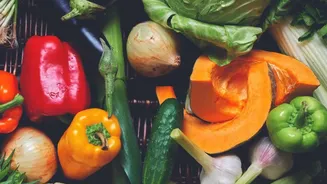
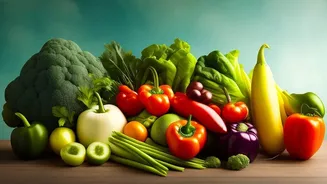
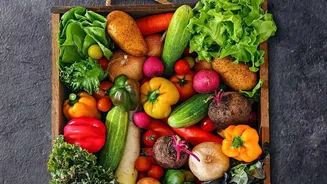
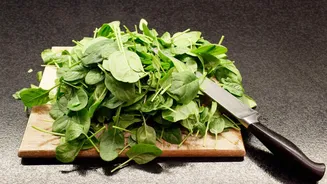
While leafy greens are best avoided during the monsoon due to a higher risk of contamination, gourds are your best friends. Vegetables like bottle gourd (lauki), bitter gourd (karela), ridge gourd (turai), and pumpkin have a longer shelf life and are less
prone to spoilage. They grow on creepers, well away from the waterlogged, contaminated soil that can affect other produce. These vegetables are versatile and form a great base for everyday subzis and curries. You can chop them in advance and store them in airtight containers in the fridge for a couple of days, making your daily cooking process much faster.
Rely on Root Vegetables (with a catch)
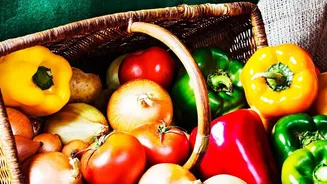
Root vegetables like potatoes, sweet potatoes, and yams are excellent for stocking up as they last longer. However, it's crucial to store them correctly. Keep them in a cool, dark, and dry place, away from moisture, to prevent them from sprouting or rotting. Some sources suggest being cautious with root vegetables that grow underground due to the risk of soil contamination during this season. A good practice is to wash them thoroughly only right before use, not before storing, as dampness encourages decay. Onions and garlic, the flavour base of most Indian cooking, should also be stored in a well-ventilated basket to prevent mould.
Lean on Lentils and Pulses
Lentils, pulses, and legumes are monsoon kitchen superstars. They are immune to the humidity that spoils fresh produce and provide a powerhouse of protein. Stock up on moong, masoor, tur, and chana. During the monsoon, however, these dry goods can attract moisture and insects. To protect them, store them in completely dry, airtight containers. For extra protection against pests, you can add a few dried bay leaves or neem leaves to the container, an age-old trick that works wonders. Having a variety of dals on hand means a comforting and nutritious dal or khichdi is never more than 30 minutes away.
Prep Versatile Gravy Bases
One of the best time-saving hacks is to prepare a large batch of a basic onion-tomato gravy. Sauté onions, ginger, garlic, and tomatoes with your preferred spices, then cool and store it. You can refrigerate it in an airtight container for up to four days or freeze it in portions for weeks. This base can be used to quickly whip up a variety of dishes—just add pre-boiled vegetables, paneer, or legumes. This strategy drastically cuts down daily cooking time and is perfect for those rainy days when you don't feel like starting from scratch.
Master the Art of Spice Pastes
Just like a gravy base, having pre-made spice pastes can transform your cooking. A ginger-garlic paste is the most common, but you can also prepare green chilli paste or a more complex paste with onions, coriander, and other spices. Store these in small, airtight glass jars in the refrigerator. A small layer of oil on top can help preserve them for longer. These pastes provide an instant flavour boost to any dish and save you the daily grind of chopping and grinding, making them an indispensable part of a monsoon-ready kitchen.
Store Grains and Flours Smartly
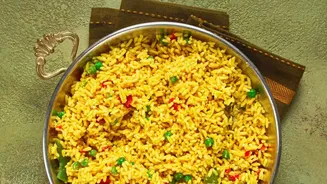
Rice and flours are susceptible to getting damp and developing mould or insects during the monsoon. Buying smaller quantities more frequently is a better strategy than bulk-buying during this season. Always transfer grains and flours from their original packaging into clean, dry, airtight containers. If you have the space, storing specialty flours like besan or sooji in the refrigerator can further protect them from the humid environment and extend their shelf life significantly. Occasionally sun-drying grains on a clear day can also help remove any absorbed moisture.