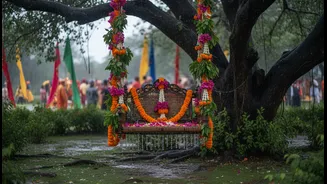





A Festival of Greenery and Devotion
Teej is more than just a festival; it's an emotion that sweeps through Rajasthan with the first monsoon showers. Celebrated during the month of Shravan, Teej marks the divine union of Goddess Parvati and Lord Shiva. For the women of Jaipur, it’s a time
of immense joy, fasting, and prayer for marital bliss and the well-being of their families. The dominant colour is green, symbolising the renewal of life and nature, seen in the lush leheriya sarees and bangles worn by women. The festival is divided into three main events: Hariyali Teej, Kajari Teej, and Hartalika Teej. While all are significant, Hariyali Teej is when Jaipur hosts its grandest public celebrations.
The Main Event: Teej Mata ki Sawari
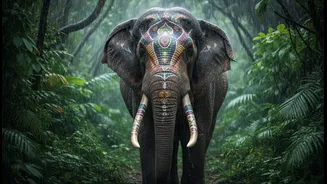
The absolute highlight of the festival in Jaipur is the magnificent two-day procession known as Teej Mata ki Sawari. For 2026, the main Hariyali Teej procession is scheduled for Saturday, August 15th. An ancient idol of Teej Mata (Goddess Parvati) is brought out from the City Palace in a beautiful, antique palanquin. The procession, featuring decorated elephants, camels, folk dancers, musicians, and royal guards, begins at the Tripolia Gate. It then winds its way through the old city's bustling bazaars, including Tripolia Bazaar and Chhoti Chaupar, before concluding at Chaugan Stadium. It's a spectacular display of royal heritage and living culture that draws massive crowds of locals and tourists alike.
The Festive Flavours
No festival in India is complete without a feast, and Teej is no exception. The undisputed star of the season is Ghevar, a disc-shaped honeycomb sweet made from flour and ghee, often topped with malai (clotted cream) and nuts. Sweet shops across the city, like Lakshmi Mishthan Bhandar and Rawat Mishthan Bhandar, do a roaring trade in this seasonal delicacy. Other traditional treats to look out for include Malpua, a sweet pancake soaked in syrup, and the hearty Rajasthani staple, Dal Baati Churma. For many families, preparing and sharing these sweets is as integral to the celebration as the prayers.
Markets Abuzz with Festive Fervour
In the weeks leading up to Teej, Jaipur’s famous bazaars transform into vibrant hubs of activity. This is the best time to experience the city's shopping culture. Women throng to markets like Johari Bazaar, Bapu Bazaar, and Tripolia Bazaar to buy new clothes, jewellery, and puja items. The most sought-after items are the colourful, tie-dyed leheriya sarees and lac bangles, which are considered auspicious for the occasion. Street-side stalls selling henna (mehndi) application services also become incredibly popular, as women adorn their hands with intricate designs as part of the celebration.
How to Join the Celebration
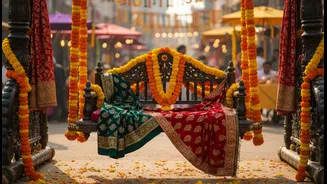
For visitors, experiencing Teej in Jaipur is a feast for the senses. The best place to watch the procession is along the route in the old city, particularly near Tripolia Gate or in the main bazaars. Arrive early to secure a good vantage point, as the streets get very crowded. To truly get into the spirit, embrace the traditions. Try a slice of ghevar, admire the leheriya patterns in the markets, and observe the joy of the swing (jhula) rituals in parks and courtyards, where women sing traditional folk songs celebrating the monsoon. It is an immersive cultural experience that perfectly captures the soul of Rajasthan.