



The Post-Pandemic Kitchen Shift
The trend of recreating restaurant favourites at home gained significant momentum during the pandemic lockdowns. What started as a way to pass the time or satisfy a craving when dining out wasn't an option has now blossomed into a full-fledged culinary
movement. Many who picked up a ladle or rolling pin out of necessity discovered a newfound passion and confidence in their cooking abilities. This empowerment has outlasted the lockdowns, with home cooks continuing to challenge themselves. They are moving beyond simple daily meals and venturing into more complex dishes that were once considered the exclusive domain of professional chefs with specialised equipment like tandoors.
The Social Media Inspiration Engine
A quick scroll through Instagram or YouTube reveals a huge part of the story. Social media platforms have become a major catalyst for this trend. Food bloggers and influencers demystify complex recipes through visually engaging, step-by-step video tutorials. Watching someone effortlessly flip a garlic naan on a home tawa or stuff a kulcha makes it seem achievable. This digital encouragement creates a powerful feedback loop: people get inspired by a post, try the recipe, share their own success story, and in turn, inspire their followers. Hashtags related to home cooking and restaurant-style dishes connect a vast community of amateur chefs sharing tips and celebrating their culinary creations.
Why Naan and Kulcha?
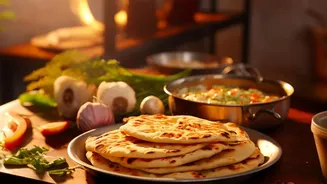
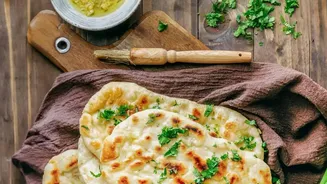
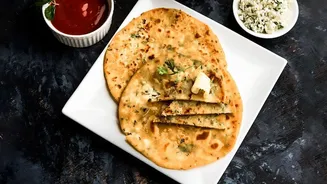
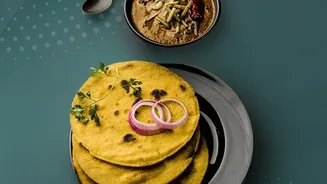
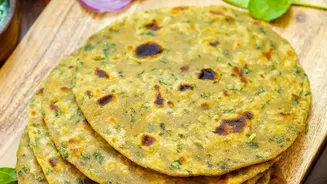
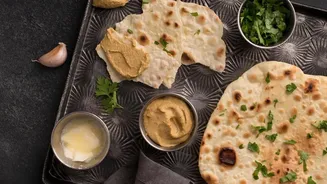
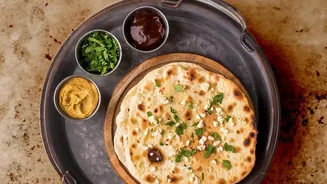
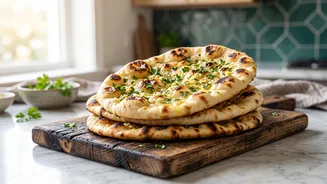
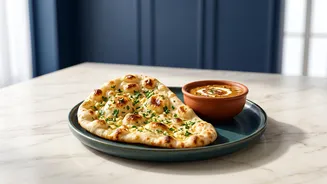
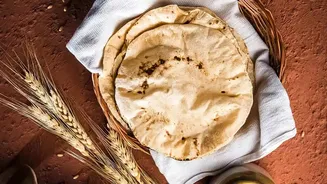
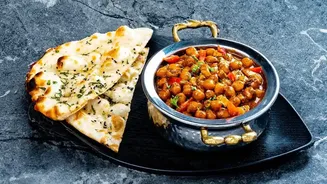
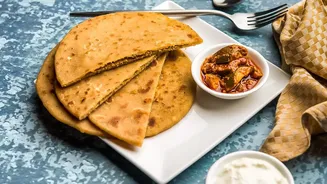
The choice of breads like naan and kulcha is significant. For many, these are not everyday staples but treats associated with special occasions and eating out. Mastering them at home is about more than just food; it’s about recreating an entire experience. Kulcha, a leavened flatbread from the Punjab region, and Naan, with its Mughal-era origins, were historically considered delicacies. Successfully making these soft, chewy breads at home provides a deep sense of accomplishment. Stuffed versions like Amritsari Kulcha offer another layer of complexity and reward, allowing for endless creativity with fillings like spiced potato or paneer.
Health, Hygiene, and Cost
Beyond the joy of cooking, practical considerations are also driving this trend. When you cook at home, you have complete control over the ingredients. This appeals to a growing health consciousness, as home cooks can reduce the amount of oil, butter, and salt often found in restaurant preparations. Hygiene is another factor, with many perceiving home-cooked food as safer and cleaner. Furthermore, with the rising cost of living and dining out, recreating these meals at home is a budget-friendly way to enjoy indulgent food. A meal that might be a significant expense at a restaurant can be made for a fraction of the price at home, making it an accessible luxury.