


Keep Their Coat and Skin Dry
The single most important rule of monsoon pet care is to keep your pet as dry as possible. Constant dampness trapped in a pet’s coat creates the perfect breeding ground for bacteria and fungi, leading to itchy, painful skin infections and that persistent
“wet dog” smell. For dogs, always towel-dry them thoroughly after every walk, paying special attention to their belly, underarms, and any skin folds. For breeds with thick or double coats, using a hairdryer on a low, cool setting can be a game-changer. Regular brushing is also essential to remove loose fur and prevent matting, which can trap moisture against the skin.
Prioritise Paw Protection
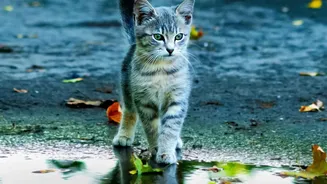
Your pet’s paws are on the frontline, constantly in contact with muddy paths and dirty puddles. These puddles can harbor harmful bacteria and parasites. Make it a habit to wash and dry their paws after every single outing. Check between their toes for any trapped debris, cuts, or signs of irritation like redness or swelling. Keeping the fur between their paw pads trimmed short can also help reduce the amount of mud and moisture they bring indoors.
Guard Against Infections
The high humidity of the monsoon season makes pets more susceptible to several types of infections. Fungal and yeast infections are particularly common, causing symptoms like obsessive licking, redness, flaky skin, and a musty odor. Ear infections are also a major risk, especially for dogs with floppy ears that trap moisture. Be sure to gently wipe and dry your pet’s outer ears regularly, and watch for signs like head shaking or a foul smell. This is also peak season for ticks and fleas, which thrive in damp conditions, so stay on top of your vet-recommended preventative treatments.
Adjust Diet and Ensure Safe Hydration
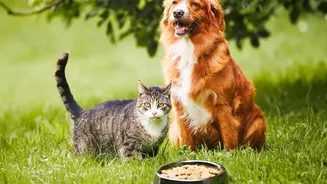
Digestive issues can flare up during the monsoon. Stagnant water from puddles is a major source of gastrointestinal infections like giardia and the more serious leptospirosis. Always provide fresh, clean drinking water, and consider using filtered or boiled water to be safe. High humidity can also cause dry food to spoil or become moldy much faster, so store it in an airtight container. Some pets may have a reduced appetite in the cooler weather, so focus on providing light, nutritious meals to keep their immune system strong.
Create a Comfortable Indoor Haven
Since your pets will likely spend more time indoors, keeping their living space clean and dry is vital. Wash their bedding frequently to prevent moisture and bacteria buildup. The rainy season can also bring thunderstorms, which cause anxiety for many pets. Create a safe, quiet space where they can retreat during a storm, with familiar toys and blankets to comfort them. Engaging them with indoor games and puzzles can help burn off excess energy when walks are cut short by heavy rain.