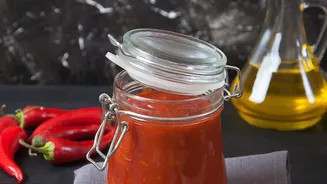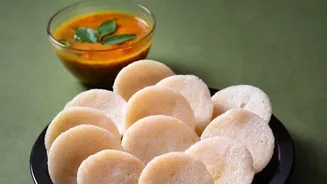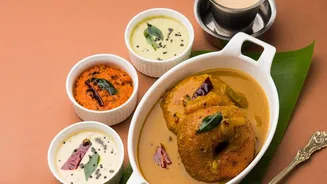

There’s a quiet revolution happening in the kitchens of urban India. The reign of generic ketchup and mass-market sauces is being challenged by a vibrant array of small-batch condiments bursting with the authentic, complex flavours of the subcontinent.
A Shift in the Urban Palate
For decades, the Indian pantry was dominated by a handful of large brands offering standardised tastes. But a significant shift is underway, particularly in metropolitan areas. Consumers are increasingly looking beyond the familiar, seeking out products that tell a story and offer a genuine taste of India’s diverse culinary landscape. This is not just about heat; it's about the nuanced, regional-specific profiles that define Indian food, from the smoky fire of Nagaland's Bhut Jolokia to the tangy notes of Andhra's Gongura and the sharp punch of Bengali Kasundi. This growing appetite for authenticity is fueling a boom in small-batch and artisanal condiment brands.
The Hunger for Authenticity and Health
Several factors are driving this trend. Rising disposable incomes and greater exposure to global food cultures have made urban consumers more adventurous and discerning. There's a growing rejection of one-note, factory-made flavours in favour of products with personality and complexity. Health and wellness also play a crucial role. Shoppers are more conscious of ingredients, actively seeking out condiments that are free from artificial preservatives, excessive sugar, and synthetic additives. Small-batch producers often meet this demand by using traditional recipes, natural ingredients, and slower fermentation processes that large-scale manufacturing cannot replicate. This clean-label approach resonates with a generation that values transparency and quality.
Meet the New Taste-Makers
A new wave of food entrepreneurs is at the heart of this movement. Brands like 'Kaatil' are creating hot sauces that celebrate the unique characteristics of native Indian chillies, from the southern Byadgi to the northeastern Bhut Jolokia. 'Spice Story' is modernising traditional chutneys by packaging them in convenient, easy-to-use formats. Meanwhile, brands like 'MasterChow' and 'Naagin' are capturing the imagination of a younger demographic with bold branding and innovative flavours that fuse Indian tastes with global formats, like chilli oils and versatile hot sauces. These direct-to-consumer (D2C) brands leverage social media and online marketplaces to connect directly with their audience, bypassing traditional retail gatekeepers and bringing the flavours of India's diverse regions straight to urban homes.
The Power of Regional Pride
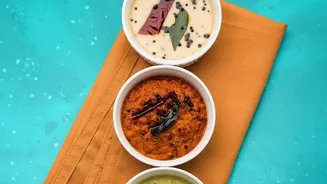
This trend is also a reflection of a resurgent pride in regional culinary traditions. For years, many native ingredients and recipes remained confined to their places of origin. Now, they are being celebrated on a national stage. The infamous Bhut Jolokia, or ghost pepper, once a regional specialty of the Northeast, is now a star ingredient in hot sauces and pickles across the country. Similarly, chutneys and pickles made with specific regional ingredients, once only available in local markets or homemade, are finding a wider audience. Brands like 'Farm Didi' focus on homemade Indian pickles and chutneys, preserving and promoting traditional recipes. This movement is not just about creating products; it is about preserving and sharing culinary heritage in a modern, accessible format.
From Niche to Mainstream
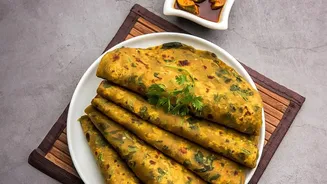
What started as a niche interest is steadily moving into the mainstream. The market for ethnic foods in India is projected to grow significantly, driven by this demand for authentic, regional flavours. The versatility of these newage condiments is a key part of their appeal. Consumers are experimenting, pairing a spicy chilli oil with a simple dal, a tangy tamarind chutney with a sandwich, or a complex pesto with traditional parathas. The old rules are fading as people discover the joy of fusion flavours in their own kitchens. This creative usage ensures that these smallbatch condiments are not just a novelty purchase but are becoming integrated into the daily cooking habits of urban Indians.