


The Comfort of Classic Mithai
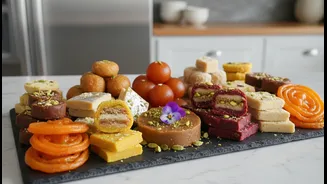
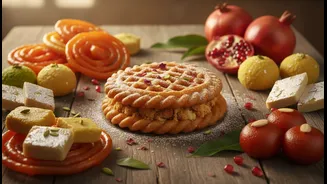
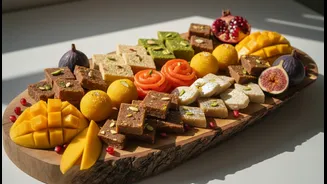
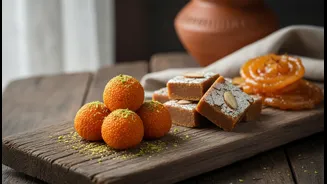
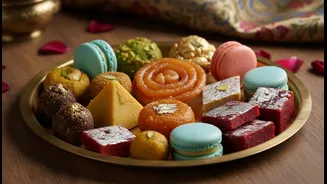
For generations, Indian sweets, or mithai, have been central to every celebration, festival, and happy occasion. From the milky richness of barfi to the syrupy delight of jalebi, these treats are woven into the fabric of Indian life. They represent more
than just a sugar rush; they are carriers of tradition, family recipes, and the specific joy of a shared cultural memory. The corner-side mithai-wala has long been a community institution, their creations marking everything from weddings to exam results. This deep emotional connection is why the taste of a particular sweet can instantly transport you back to childhood.
A Wave of Culinary Innovation
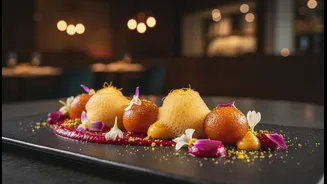
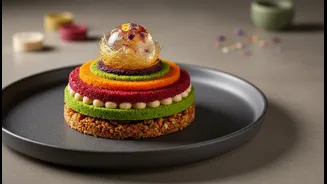
A new generation of pastry chefs and mithai makers are now respectfully challenging tradition. They are asking: can something already perfect be improved? Their answer is a resounding 'yes'. This movement isn't about replacing the classics but reimagining them. The goal is to create desserts that are both familiar and surprising. Techniques from European patisserie, like making foams, gels, and mousses, are being applied to Indian ingredients. Think of a Mysore pak coffee cheesecake or a gulab jamun transformed into crispy churros. It’s about deconstructing a familiar sweet to its core components—flavour, texture, aroma—and then building it back up into something new.
Pioneers on the Plate
Across India and beyond, culinary artists are leading this charge. Brands like Bombay Sweet Shop have gained fame for their imaginative takes, such as a Kaju Bon Bon that fills the classic kaju katli with a hint of chocolate bitterness, or a Patissa Bar that reimagines a Punjabi sweet. Chef Ajay Chopra’s Kshir & Canelé concept marries Indian mithai with French pastry, creating a new genre of gourmet sweets. In New York, Chef Surbhi Sahni of Tagmo is reinventing mithai with an artistic, design-first approach, creating treats that feel as precious as luxury chocolates but with an Indian soul. These chefs are not afraid to innovate, combining flavours and celebrating the essence of mithai while creating something utterly contemporary.
Sharper Flavours, Layered Textures
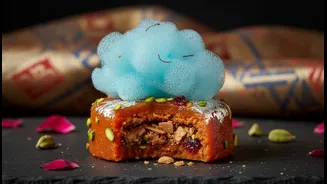
So, what does “sharper, more layered taste” actually mean on the plate? It’s about moving beyond one-dimensional sweetness. It’s the surprising tartness of blueberry paired with a traditional motichoor ladoo or the earthy notes of matcha infused into a barfi. It’s the addition of savoury elements, like a hint of spice or salt, to cut through richness. Texture is also a major focus. Chefs are creating desserts that are an experience to eat: a croissant bun that shatters when you bite into it, revealing a soft, creamy centre, or a layered cake with sponge, silky mousse, and a glossy ganache. This focus on complexity satisfies a modern palate that seeks novelty and balance.
The Modern Indian Palate
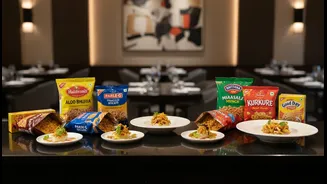
This trend is thriving because diners' tastes are evolving. Increased global travel and internet-fueled food trends mean that Indian consumers, especially younger generations like Gen Z, are more experimental than ever. They want the comfort of nostalgia but also the sophistication of a global dessert. There’s also a growing health consciousness, leading to a demand for sweets that are less sugary, use natural sweeteners like jaggery and dates, or come in vegan and gluten-free options. This evolution isn’t about rejecting tradition but expanding it, creating a new dessert language that speaks to both heritage and the future.