








The 'October Heat' Arrives Early
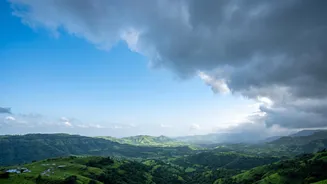
One of the first and most noticeable signs of the monsoon's retreat is a distinct change in the weather, often called the 'October heat'. As the rains cease and clouds give way to clear skies, there's a surprising surge in temperature and humidity. With
the land still moist from the rains, the returning sun creates a particularly oppressive and uncomfortable heat. This period feels different from the pre-monsoon summer; it's a sticky, sweltering heat that can take many by surprise. Your air conditioners might get a final workout before the pleasant cool of winter finally settles in, especially in northern and central India.
A Tangible Drop in Humidity
While the October heat brings a temporary spike in discomfort, the defining characteristic of the post-monsoon season is the eventual, and very welcome, drop in humidity. The moisture-laden southwesterly winds that define the monsoon weaken and are gradually replaced by drier northwesterly winds. This shift doesn't happen overnight. The India Meteorological Department (IMD) officially declares the withdrawal from a region only after a cessation of rain for five continuous days and a significant reduction in moisture content. For day-to-day life, this means the end of that perpetual dampness, clothes that dry faster on the line, and a crispness returning to the air, especially during mornings and evenings.
Your Health Needs a Different Kind of Attention
The end of the rains doesn't mean an end to health concerns; they just change form. The post-monsoon period often sees a spike in different kinds of illnesses. Stagnant water left behind becomes a perfect breeding ground for mosquitoes, leading to a rise in vector-borne diseases like dengue and malaria. Dengue, in particular, is a major concern, as the Aedes mosquito breeds in clean, stagnant water often found in and around homes. Furthermore, the change in temperature and humidity can trigger viral fevers and respiratory issues. It's a crucial time to be vigilant about not letting water collect and to be aware of symptoms like fever with body aches.
Air Quality Takes a Turn for the Worse
The clean, washed-out skies of the monsoon are a temporary blessing. As the rains retreat, air quality often begins to deteriorate, particularly in North India. The monsoon showers are effective at washing pollutants out of the atmosphere. However, as dry conditions return, so do the sources of pollution, without the rain to clean the air. The shift in wind patterns and the establishment of anti-cyclonic circulation can trap pollutants. This period also precedes the season of crop-residue burning in some northern states, a major contributor to black carbon and smog that blankets the Indo-Gangetic plains in the following months.
The Festive Season Kicks into High Gear
The retreat of the monsoon coincides with the start of India's main festive season. The drier, more pleasant weather makes it easier for people to shop, travel, and celebrate. Preparations for major festivals like Dussehra, Durga Puja, and Diwali begin in earnest. Markets become busier, and there's a palpable shift in the public mood from enduring the rains to celebrating the coming holidays. This transition from a wet, introspective season to a dry, celebratory one is a key cultural rhythm of the Indian year, made possible by the changing weather.
Changes on Your Dinner Plate
The shift in seasons also brings a change to the local vegetable market. The end of the monsoon signals a change in what farmers can plant. The moisture left in the soil from the September rains is crucial for the sowing of winter crops, or the Rabi crops, such as wheat, chickpeas, and mustard. While these will be harvested later, the immediate change you might see is the return of green leafy vegetables that struggle during the heavy rains. The availability and price of many vegetables are closely tied to the monsoon's performance, and the post-monsoon period marks a significant transition in the agricultural cycle.