





Why Your Skin Gets Greasier
The primary culprit for that extra shine is humidity. When moisture levels in the air rise, it can signal your skin's sebaceous glands to produce more oil, or sebum. This excess oil mixes with sweat, dirt, and dead skin cells, creating the perfect environment
for clogged pores and acne. Many people react by washing their face more often or using harsh products, but this can strip the skin of its natural moisture, causing it to produce even more oil to compensate. The key isn't to aggressively dry out your skin, but to find a new balance with a routine tailored for the season.
Switch to a Gentle Cleanser
That tight, squeaky-clean feeling after washing your face is a red flag. It means your cleanser is too harsh and has stripped your skin's protective barrier. During the monsoon, opt for a gentle, pH-balanced, non-comedogenic cleanser that can remove impurities without causing dryness. Look for gel-based formulas, which are lighter than creamy ones. Ingredients like salicylic acid are excellent for oily and acne-prone skin as they help to gently exfoliate and keep pores clear. Cleansing twice a day—once in the morning and once at night—is sufficient to manage oil without causing irritation.
Don't Skip the Moisturiser
It’s one of the biggest myths in skincare: that oily skin doesn't need moisturiser. In reality, hydrated skin is balanced skin. When your skin is dehydrated, it can overcompensate by producing more oil. During the humid monsoon months, heavy creams can feel suffocating and clog pores. The solution is to switch to a lightweight, oil-free, and non-comedogenic moisturiser. Look for gel or water-based formulas containing ingredients like hyaluronic acid, which provides intense hydration without any greasiness. Applying it to slightly damp skin helps lock in moisture more effectively.
Sunscreen is Still a Must
Don't let cloudy skies fool you; up to 80% of the sun's harmful UV rays can penetrate through them. Skipping sunscreen during the monsoon is a common mistake that can lead to pigmentation and worsen post-acne marks. For oily skin, the thought of adding another layer can be daunting, but modern formulas are designed for comfort. Choose a broad-spectrum sunscreen with at least SPF 30. Look for lightweight gel or fluid textures that offer a matte finish. These formulas are designed to protect your skin without adding shine or clogging pores.
Incorporate Weekly Treatments
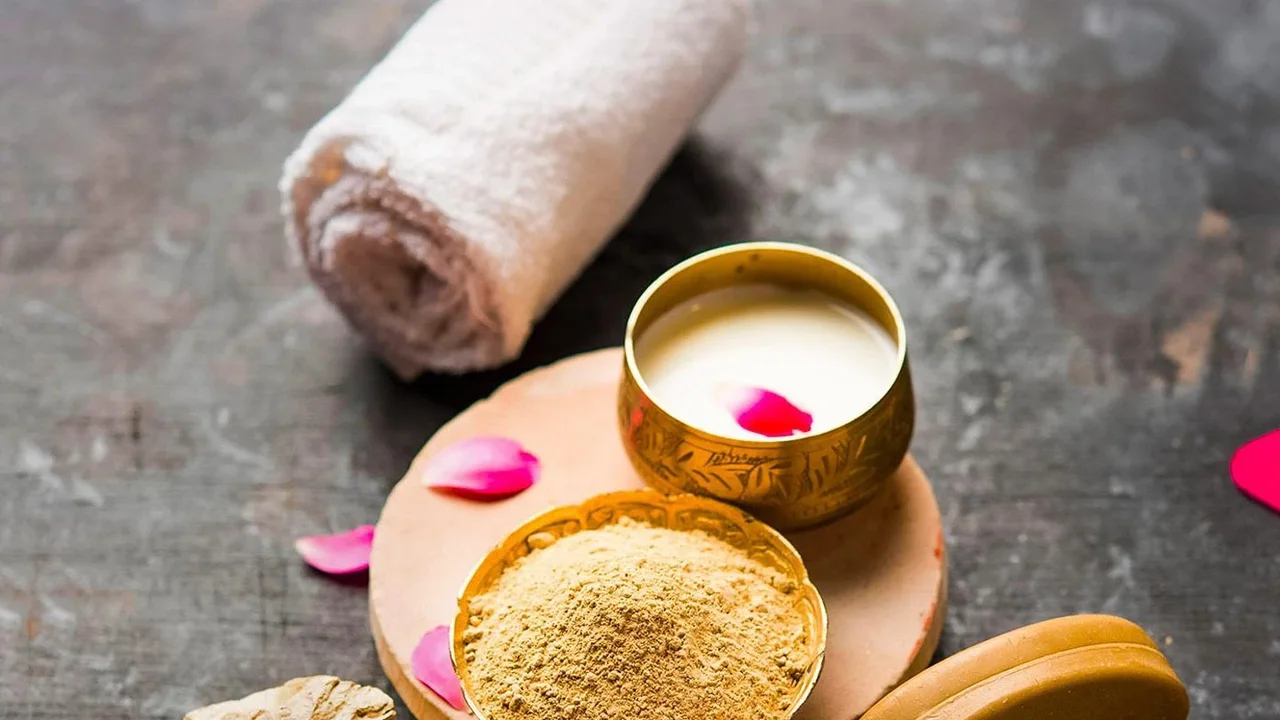
While your daily routine forms the foundation of healthy skin, adding a weekly treatment can help manage excess oil and prevent congestion. A clay mask is an excellent choice for oily skin. Clays like kaolin or bentonite work by absorbing excess sebum and drawing out impurities from the pores. Using a mask once a week can help keep your skin clear and fresh. Similarly, gentle exfoliation is important to slough away dead skin cells, but avoid harsh physical scrubs. Instead, consider chemical exfoliants with ingredients like salicylic acid (a BHA) a couple of times a week to keep pores clear without causing irritation.
Mind Your Makeup and Habits
Heavy makeup can trap sweat and oil, making breakouts more likely in humid weather. If you wear makeup, consider switching to lighter, non-comedogenic products and always remove them thoroughly before bed. Double cleansing—using an oil-based cleanser first, followed by a water-based one—can be particularly effective for removing stubborn makeup and sunscreen. Another simple but effective tip is to avoid touching your face throughout the day, as this can transfer dirt and bacteria. Keeping blotting papers handy can also help manage midday shine without disturbing your makeup or skincare.