




More Than a Simple Stretch
Known in Sanskrit as Marjaryasana (Cat) and Bitilasana (Cow), this sequence is a dynamic flow between two complementary poses. It begins from a 'tabletop' position on the hands and knees. From there, you move with your breath, alternating between arching
the back in Cow Pose and rounding it in Cat Pose. While it's a fantastic warm-up, Cat-Cow is also a potent practice in its own right. It’s celebrated for its ability to gently awaken the spine, relieve tension in the back and neck, and synchronize breath with movement, which has a calming effect on the mind. Its accessibility makes it suitable for nearly everyone, from absolute beginners to seasoned practitioners looking for a mindful way to check in with their body.
The Core Benefits for Your Body
The primary benefit of Cat-Cow is its remarkable effect on spinal health. The gentle flexion and extension helps to improve the flexibility of the entire spine, from your neck down to your tailbone. This movement increases circulation to the discs between your vertebrae, helping to keep them healthy. Regular practice can lead to better posture by increasing your awareness of your spine's position and strengthening the core muscles that support it. The motion also provides a soft massage to the abdominal organs, stimulating them and aiding in digestion. By connecting the fluid movements with deep, steady breathing, Cat-Cow serves as an effective tool for reducing stress and calming the nervous system.
A Step-by-Step Guide to Proper Form
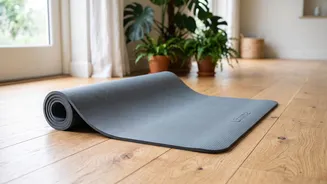
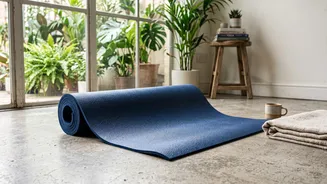
Proper alignment is key to unlocking the full benefits of Cat-Cow. Start on a mat in a tabletop position, with your hands directly under your shoulders and your knees directly under your hips. Spread your fingers wide to distribute your weight evenly across your palms. Your spine should be neutral, forming a straight line from your head to your tailbone. On an inhale, move into Cow Pose: let your belly drop towards the mat, lift your chest and tailbone towards the ceiling, and lift your gaze forward without straining your neck. As you exhale, transition into Cat Pose: press firmly into your hands, round your spine toward the ceiling, and tuck your chin gently towards your chest, releasing your head down. The key is to let the movement flow with your breath, initiating from the tailbone and allowing the motion to ripple up the spine. Aim for 5 to 10 slow, deliberate rounds.
Common Mistakes to Avoid
To ensure a safe and effective practice, be mindful of a few common misalignments. A frequent error is moving too quickly and disconnecting the flow from the breath. The magic of the pose lies in its slow, mindful pace. Another mistake is cranking the neck back in Cow Pose, which can compress the cervical spine. Instead, keep your neck as a long extension of your spine. Also, avoid letting your shoulders creep up towards your ears; actively draw your shoulder blades down your back. Finally, don't hyperextend or lock your elbows. Maintain a micro-bend in the elbows to protect the joints and keep the work in your muscles.
Variations for Every Body
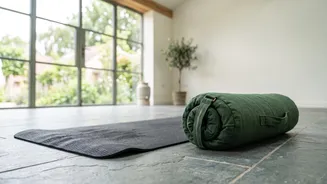
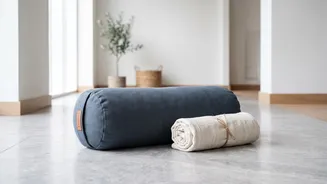
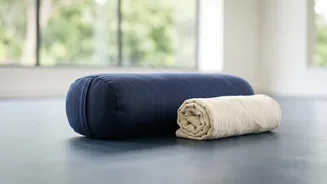
One of the best things about Cat-Cow is its adaptability. If you have sensitive knees, placing a folded blanket or doubling your mat for extra padding can provide significant relief. For those with wrist pain, there are several great options. You can come down onto your forearms, place yoga blocks under your hands, or make gentle fists to keep your wrists in a neutral position. The pose doesn't even have to be done on the floor. A seated version, performed at the edge of a chair with hands on your knees, offers many of the same spinal benefits and is perfect for a quick break at the office. You can also do a standing variation with your hands braced on your thighs or against a wall.