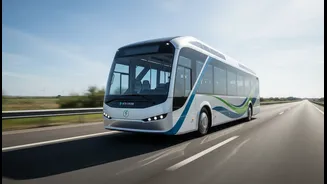






A New Standard in Passenger Comfort
The first thing passengers notice about the new wave of premium electric buses is what’s missing: the constant, vibrating roar of a diesel engine. The ride is remarkably quiet and smooth, transforming the travel experience from a noisy ordeal into a peaceful
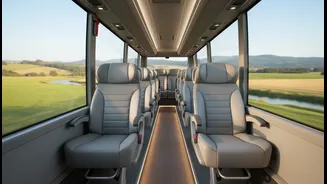
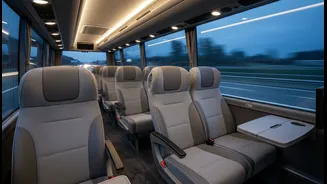
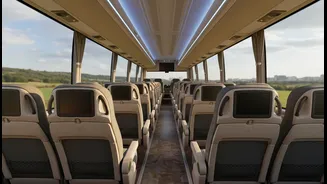
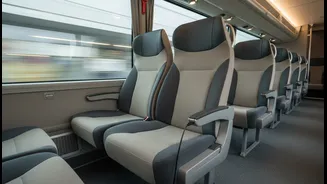
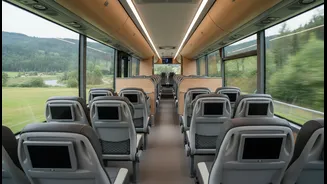
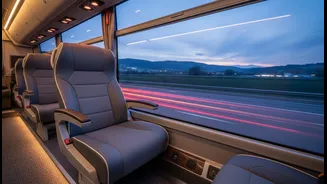
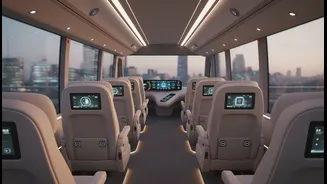
journey. Operators like NeuGo, Fresh Bus, and zingbus are outfitting their fleets with amenities that rival airline cabins. Passengers can expect plush, reclining seats with ample legroom, individual USB charging points, and often, onboard Wi-Fi. This focus on comfort is a deliberate strategy to attract professionals and families who might otherwise opt for trains or personal cars, redefining bus travel as a premium, stress-free option. The near-silent operation not only makes for a relaxing trip but also allows passengers to nap, work, or talk without shouting over engine noise.
The Green and Clean Advantage
Beyond comfort, the environmental benefits are significant. Electric buses produce zero tailpipe emissions, a crucial advantage in a country battling severe urban air pollution. Each electric bus on the road directly contributes to cleaner air in the cities it passes through by eliminating pollutants like nitrogen oxides and particulate matter. This transition is a key part of India's larger goal to reduce its carbon footprint and dependency on imported fossil fuels. While the electricity used for charging must also be clean for the full benefit to be realised, the shift is a powerful step. As India's energy grid increasingly incorporates renewables, the lifecycle emissions of these buses will only decrease, making every ticket purchased a small investment in a more sustainable future.
The Sound of Progress
The impact of these vehicles goes beyond air quality to tackle another pervasive urban issue: noise pollution. Traditional diesel buses are major contributors to the cacophony of city traffic. Electric buses, with their quiet motors, drastically reduce this noise, making urban environments and highways more pleasant for everyone, not just the passengers. This reduction in noise can have tangible public health benefits and improve the quality of life in residential areas along busy corridors. However, the silence can be a double-edged sword; some first-time passengers have noted that the loud, sudden sound of the horn can be startling without the usual engine drone to mask it.
The Companies and Routes Powering the Shift
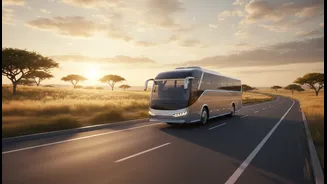
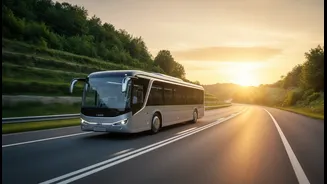
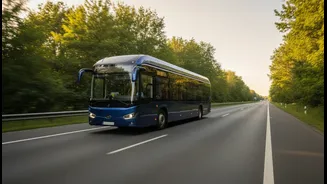
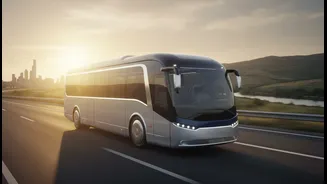
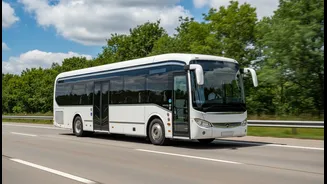
This electric transition is being driven by several forward-thinking companies. NeuGo, part of GreenCell Mobility, and competitors like Fresh Bus and zingbus are rapidly expanding their networks. Key routes already in operation include high-traffic corridors like Bengaluru-Tirupati, Hyderabad-Vijayawada, Chennai-Pondicherry, and Delhi-Jaipur. These operators are not just running buses; they are building an ecosystem, including dedicated charging stations at rest stops. Recent announcements show this trend is accelerating, with companies like zingbus and JBM planning to deploy hundreds of new electric buses across South and West India, targeting major hubs like Mumbai, Pune, and Goa.
Hurdles on the Highway to an Electric Future
Despite the clear benefits, the road ahead is not without its challenges. The primary obstacle is the high upfront cost of electric buses, which can be significantly more expensive than their diesel counterparts. This makes financing a major hurdle for many operators. Another significant issue is "range anxiety." While modern e-buses can travel 250-300 km on a single charge, long intercity routes require a robust and reliable network of fast-charging stations. Passengers have reported trips being extended by long charging stops, sometimes at facilities that themselves rely on diesel generators during power cuts, ironically undermining the green promise. For widespread adoption, India needs a seamless and dependable highway charging infrastructure to make electric bus travel as time-efficient as conventional options.