


Introducing the SHAPE Payload
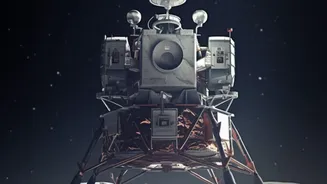
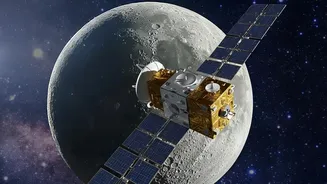
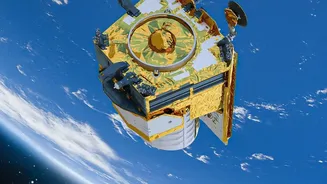
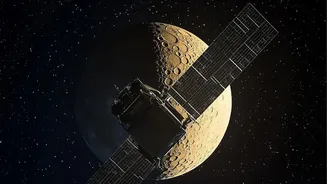
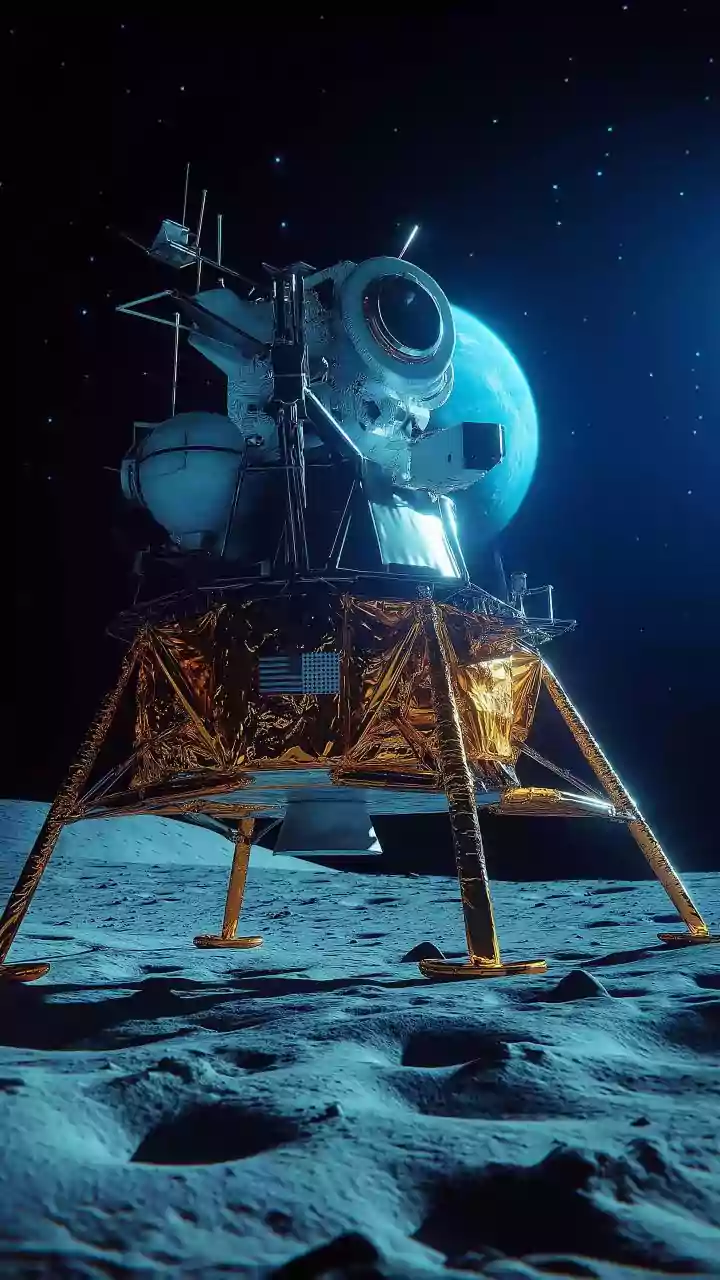
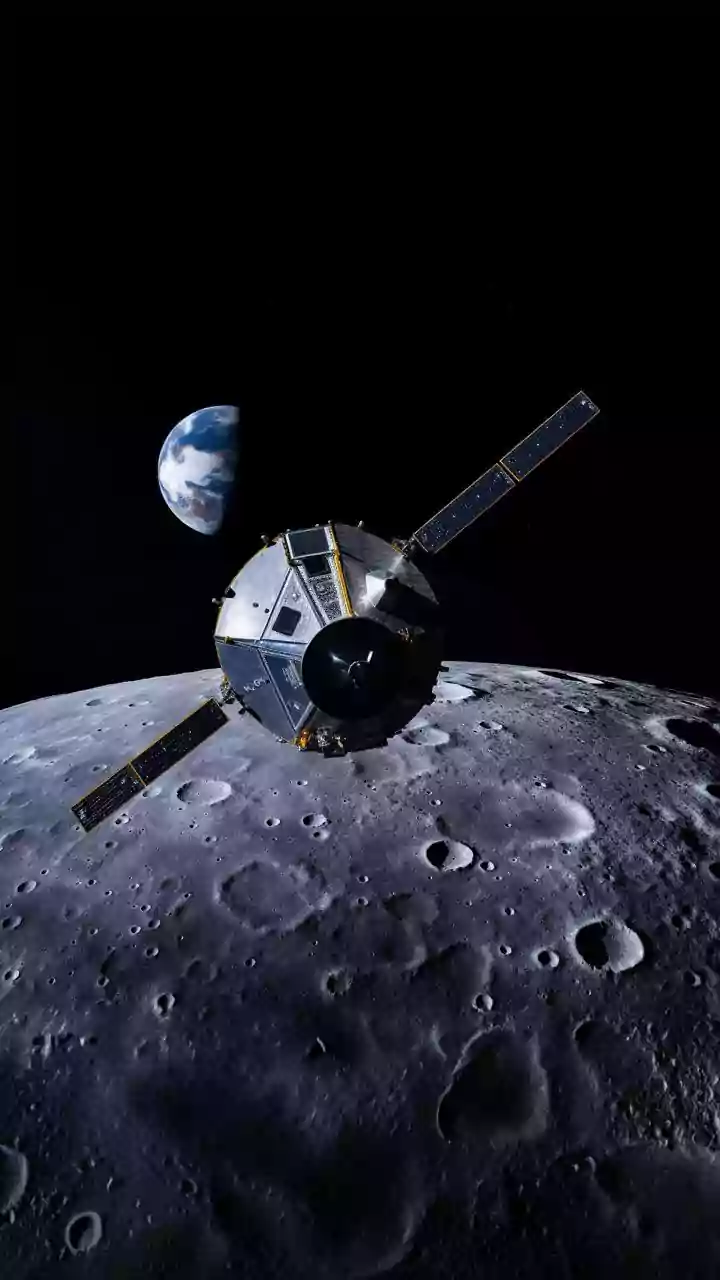
The instrument behind this cosmic introspection is called SHAPE, which stands for Spectro-polarimetry of a HAbitable Planet Earth. It was the only scientific payload on the mission's propulsion module, the part of the spacecraft that carried the Vikram
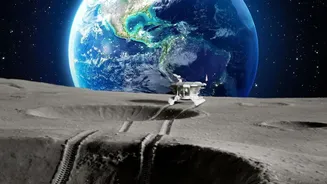
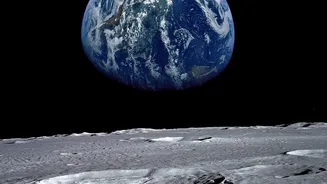
lander and Pragyan rover to their lunar orbit before separating. While the lander and rover got to work on the Moon's surface, the propulsion module continued to orbit the Moon, giving SHAPE a unique and stable vantage point to observe Earth over an extended period. The goal was to collect detailed data on the light reflected from our planet, essentially treating Earth as a test subject.
Earth as a Template for Alien Worlds
The primary reason for studying Earth from such a great distance is to see our world as we would see a distant exoplanet—a planet orbiting a star other than our Sun. When astronomers search for potentially habitable planets light-years away, they can only gather a tiny amount of data, often just the light from that planet's star as it passes through the planet's atmosphere or reflects off its surface. This light contains faint clues, or 'signatures', about the planet's composition. By studying Earth's own signatures from a lunar orbit, scientists can create a detailed baseline. They can catalogue what a known habitable, life-bearing planet looks like from far away. This provides a crucial reference point for the future, helping researchers to know what to look for when they analyse the faint light coming from rocky exoplanets orbiting distant stars.
The Science of Light and Life
SHAPE was designed to do two things: spectroscopy and polarimetry. Spectroscopy breaks down light into its component wavelengths, much like a prism creates a rainbow. This allows scientists to identify the chemical composition of Earth's atmosphere by seeing which wavelengths of light are absorbed by gases like oxygen, water vapour, and carbon dioxide. Polarimetry measures the orientation, or polarization, of light waves. As sunlight reflects off Earth, it becomes polarized by clouds, oceans, and landmasses. Studying this polarization can reveal information about cloud cover and surface features that spectroscopy alone cannot. Together, these techniques can help identify biosignatures—indicators of life, such as the presence of oxygen and liquid water. By capturing these signatures from Earth, ISRO is effectively building a user manual for identifying other habitable worlds.
Why the Moon is the Perfect Observatory
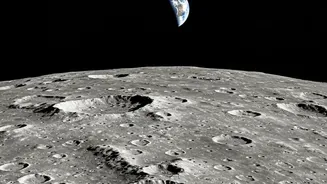
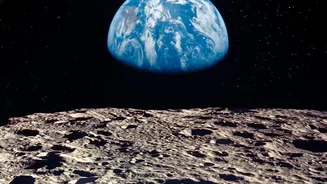
Observing Earth from a lunar orbit offers significant advantages over using telescopes on the ground or even in Earth's orbit. A ground-based telescope has to peer through our own planet's turbulent and light-filtering atmosphere, which distorts the very data scientists want to collect. Even a telescope in low-Earth orbit is too close to see the planet as a single, integrated datapoint, the way we would see a distant exoplanet. The Moon, however, provides a stable, distant platform with no atmosphere to interfere with observations. From this vantage point, SHAPE could observe the entire disc of the Earth and track how its light signatures change as the planet rotates, revealing different continents, oceans, and weather patterns. This mimics how we would observe an exoplanet over time, helping scientists understand how to interpret variations in light from these faraway worlds.