


The Street-Style Secret
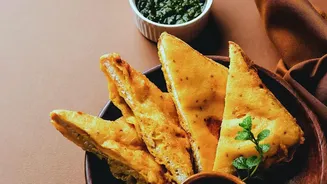
What separates a truly memorable street-style bread pakora from a regular homemade one? It comes down to a few key details: the texture of the potato filling, the consistency of the besan (gram flour) batter, and the frying technique. Street vendors have
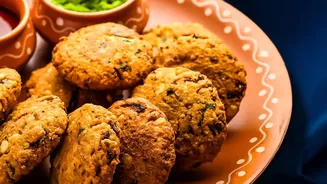
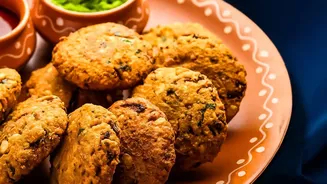
perfected the art of creating a pakora that is fluffy and flavourful on the inside with a distinctly crispy, golden-brown crust. While often associated with the monsoons and a hot cup of chai, this beloved snack is a favourite across North India year-round, sold by street vendors in cities like Delhi and Mumbai. This recipe breaks down those professional secrets for home cooks.
Perfecting the Besan Batter
The batter is the heart of a great bread pakora. For that signature crispiness, the secret is to add a small amount of rice flour or cornstarch to the besan. For a standard batter, you will need about one cup of besan, two tablespoons of rice flour, and spices like ajwain (carom seeds), turmeric powder, red chilli powder, and salt. Gradually add water while whisking to create a smooth, lump-free batter. The consistency is crucial: it should be thick enough to coat the bread evenly without being clumpy, but not so thin that it runs off and makes the pakora oily. A good benchmark is a consistency similar to pancake batter. For an extra lift, some cooks add a pinch of baking soda and a tablespoon of hot oil from the frying pan directly into the batter just before frying.
The Classic Potato Filling
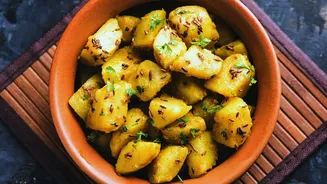
The most popular version of bread pakora features a spicy and tangy potato stuffing. To prepare it, start by mashing a few boiled potatoes. Heat a little oil in a pan and temper it with cumin seeds. Then, add aromatics like chopped green chillies and grated ginger. Stir in powdered spices such as turmeric, red chilli powder, garam masala, and amchur (dry mango powder) for tanginess. Add the mashed potatoes and salt, mixing everything thoroughly until well combined. Finish with a generous amount of freshly chopped coriander. Allow the mixture to cool completely before you begin assembling the pakoras, as warm filling can make the bread soggy.
Assembly and Frying
To assemble, take a slice of bread and evenly spread the cooled potato mixture over it. For extra flavour, you can apply a layer of green chutney to the bread before adding the potato filling. Place another slice of bread on top to create a sandwich, pressing down gently. Cut the sandwich diagonally into two triangles. Heat oil for deep-frying in a kadai or deep pan over medium-high heat. The oil must be hot; if it's not hot enough, the pakoras will absorb too much oil, and if it's too hot, they will brown too quickly on the outside while the batter inside remains uncooked. Dip each stuffed triangle into the prepared besan batter, ensuring it's coated evenly on all sides. Carefully slide it into the hot oil. Fry, turning occasionally, until the pakora is golden brown and crispy on both sides. Remove it from the oil and place it on a wire rack or paper towel to drain excess oil. For an even crispier result, you can double-fry them.
Creative Recipe Variations
While the classic potato-stuffed version is a crowd-pleaser, there are many other delicious variations to try. A plain bread pakora, with no stuffing at all, is the simplest version where bread triangles are just dipped in batter and fried. For a richer snack, a paneer filling is an excellent choice; you can either use a slice of paneer or crumble it and mix it with spices. Some recipes even layer paneer with the potato stuffing. For those who love cheese, adding a slice of cheese or a mix of shredded cheese with the potato or vegetable filling creates a wonderfully gooey center. Another simple but effective idea is to incorporate finely chopped onions directly into the besan batter, which adds an extra layer of crunch and flavour to the crust.