







The Power of Looking Forward
The experience of a concert doesn't begin when the first note is played. It starts the moment you buy the ticket. This period of looking forward, known as anticipatory pleasure, is a powerful source of happiness. [9, 13, 19] Research in psychological
science shows that people often derive more happiness from anticipating an experience than from anticipating a material purchase. [9, 19] Planning the details—what to wear, who to go with, which songs you hope they'll play—stretches the joy of the event over weeks or even months. This anticipation acts as a bright spot on the calendar, transforming an ordinary future date into a landmark. Your brain releases dopamine not just from the experience itself, but from the expectation of it, making the wait a crucial part of the reward. [7, 11]
The Science of a Shared Feeling
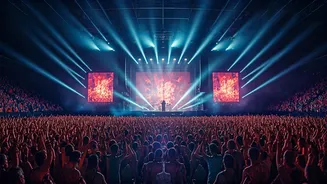
Stepping into a concert venue is like plugging into a shared power source. The feeling of being in a crowd, singing along with thousands of strangers to a song you all love, is a phenomenon sociologists call 'collective effervescence'. [16, 22] It’s the palpable energy of a group united in a single, emotional focus. [16] This isn't just a metaphor; it's biological. Listening and moving to music together can synchronize heart rates and brain activity within a crowd. [15] This synchrony fosters a profound sense of belonging and social connection. [1, 8] The act of singing with others releases oxytocin, the hormone associated with bonding and trust, which helps explain why the bond with the people around you feels so strong in that moment. [1, 2]
Creating a Milestone Memory
Concerts are multi-sensory explosions: the booming bass you feel in your chest, the dazzling light show, the roar of the crowd. Neuroscience tells us that these intense, emotionally charged, multi-sensory experiences create incredibly strong and lasting memories. [3, 5] Live music activates entire networks in the brain, engaging areas responsible for emotion, pleasure, and memory far more intensely than recorded music does. [3, 21] According to the 'peak-end rule' proposed by psychologist Daniel Kahneman, we tend to remember an experience based on its most intense moment (the peak) and its end. [16] A concert is full of potential peaks—a surprise guest, a favourite song, a stunning encore—that our brain latches onto, cementing the event as a significant life moment rather than just another night out. [6]
The Afterglow Effect
The concert doesn’t end with the final bow. For days afterward, there is an afterglow. You might find your ears still ringing, your voice hoarse, and your social media feed filled with blurry photos and videos. This is the post-event phase, where the experience is relived and shared. Discussing the highlights with friends, re-listening to the artist's albums, and carrying the feeling of the event into the new week extends its impact. These shared recollections reinforce the social bonds formed during the concert and solidify the memories. [4] Studies on collective gatherings show that the positive feelings and sense of social integration can last for weeks, contributing to a sustained boost in well-being and happiness long after the weekend is over. [16]