



Embrace Vertical Space
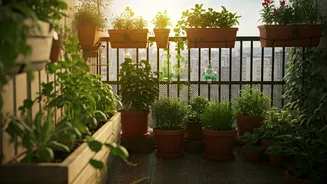
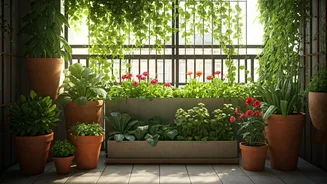
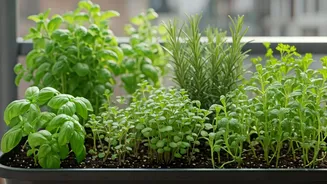
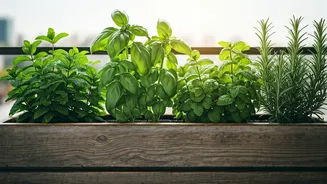
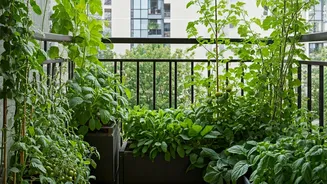
The single biggest mistake in balcony gardening is thinking horizontally. Your floor space is limited, but your vertical space is not. This is where you get creative. Instead of a row of pots on the ground, think upwards. Railing planters are perfect
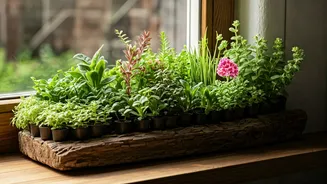
for draping herbs like mint or trailing rosemary. Wall-mounted pocket planters can turn a bland wall into a living tapestry of green. You can even use tiered plant stands or simple shelves to stack pots. By going vertical, you can easily double or triple your growing area without sacrificing your entire balcony floor. This method also improves air circulation around the plants, which helps prevent fungal diseases common in humid climates.
Tame Aggressive Growers
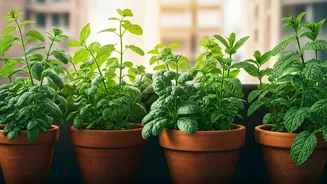
We all love pudina (mint), but it’s a notorious garden bully. If planted in a mixed container, its aggressive roots will quickly spread and choke out its neighbours. The hack? Use the 'pot-in-pot' method. Plant your mint in its own small plastic pot. Then, take a larger container where you want to create a mixed herb arrangement and simply sink the smaller pot into the soil, leaving the rim just above the surface. This contains the mint’s roots, allowing it to grow happily without taking over the entire arrangement. You get the benefit of a beautiful, mixed planter without the drama of one herb dominating the rest. This technique also works well for other aggressive spreaders like oregano.
Hack Your Watering Routine
Potted plants on a sunny, windy balcony can dry out incredibly fast. Constant watering can feel like a chore, and forgetting for a day can be disastrous. The solution is to build a simple self-watering system. One of the easiest hacks involves a simple wine or plastic bottle. Fill a bottle with water, quickly flip it over, and push the neck a few inches into the pot's soil. The water will slowly seep out as the soil dries. Another method is a wick system: place a large water reservoir (like a bucket) below your plant shelf, and run a cotton rope or strip of fabric from the water into the drainage hole of each pot. The wick will draw water up into the soil as needed, keeping your herbs perfectly hydrated.
Create a Microclimate
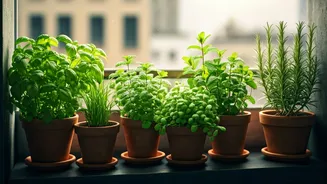
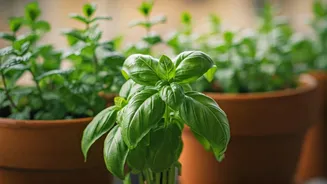
Your balcony has its own unique environment—some spots might get blasted by the afternoon sun, while others are perpetually shady or windy. Instead of fighting it, work with it. Use larger, tougher plants to create a microclimate for your delicate herbs. A sturdy curry leaf plant or a pot of tall lemongrass can act as a natural windbreak, protecting fragile herbs like basil (tulsi) and coriander (dhaniya) from wind damage. They can also provide dappled shade during the harshest parts of the day. By strategically arranging your pots, you can create sheltered pockets where even the most sensitive herbs can thrive.
Build a Superior Soil Mix
Simply scooping soil from a garden into a pot is a recipe for failure. Garden soil is heavy, compacts easily, and drains poorly in containers, leading to root rot. The professional hack is to create your own lightweight, well-draining potting mix. The perfect formula for most herbs is one part cocopeat (for moisture retention), one part compost or vermicompost (for nutrients), and one part perlite or coarse sand (for drainage and aeration). This mix is light enough for balcony railings, holds just the right amount of water, and gives your herb roots the oxygen they need to flourish. You can find these components easily at any local nursery.
Plant a Pest-Control Posse
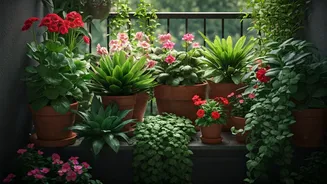
Pests like aphids and whiteflies can be a nuisance in a small space where you’d rather not use chemical sprays. The solution is to let your plants help each other out through companion planting. Planting a few pots of marigolds (gendha) on your balcony is a fantastic hack; their strong scent is a natural deterrent for many common pests. Similarly, herbs with strong smells like garlic, chives, and rosemary can help confuse pests looking for your more vulnerable plants. By interspersing these natural protectors among your other herbs, you create a beautiful and effective pest-control system without a single drop of pesticide.