




Master Your Drainage
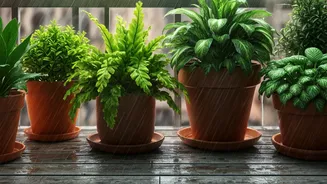
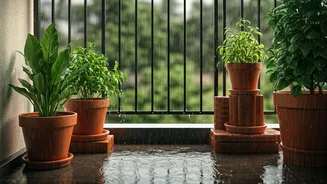
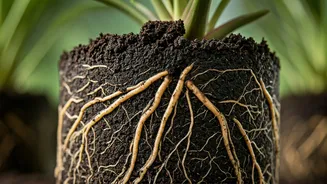
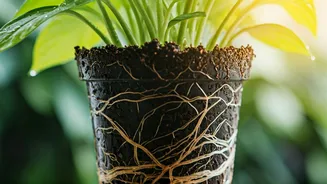
Waterlogging is the number one enemy of potted plants during the monsoon, leading to root rot. Start by checking every pot to ensure drainage holes are clear and unobstructed. If a pot sits flat on the floor, water can't escape easily. Elevate your planters
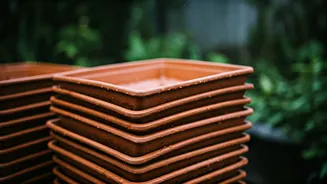
using bricks, stones, or dedicated pot stands. This simple step improves airflow and allows excess water to drain away freely, preventing the roots from suffocating. Also, be sure to empty any water that collects in the saucers or trays beneath your pots to prevent mosquito breeding.
Rethink Your Watering Schedule
It may seem counterintuitive, but you still need to monitor your watering during the rains. Don't assume the daily drizzle is doing the job, especially for plants under a deep overhang. Conversely, overwatering is a major risk. The rule of thumb is to check the soil; water only when the top one to two inches feel dry. If leaves are drooping, it might be a sign of thirst, but during the monsoon, it could also signal root rot from too much water. Always check the soil before adding more.
Prune for Health and Airflow
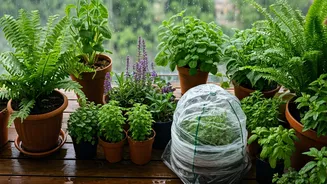
High humidity makes plants susceptible to fungal infections. Strategic pruning is one of your best defences. Trim away any yellowing or dead leaves, as well as overcrowded branches, to improve air circulation around your plants. This helps foliage dry faster after a shower, reducing the risk of diseases like powdery mildew. It also encourages healthier, bushier growth. The monsoon is an excellent time for propagation, so you can even use healthy cuttings to start new plants.
Guard Against Pests and Fungi
The damp, warm weather is a perfect breeding ground for pests like aphids and mealybugs, as well as fungal diseases like powdery mildew and leaf spot. Inspect your plants regularly, paying close attention to the undersides of leaves and new shoots. For prevention, a regular spray of neem oil solution (about 5ml mixed with a litre of water and a little soap) every 10-15 days can be very effective. If you spot any diseased leaves, remove them immediately to prevent the infection from spreading.
Adjust Plant Placement
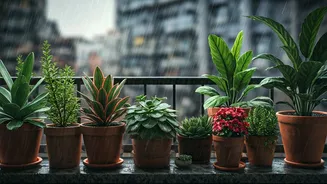
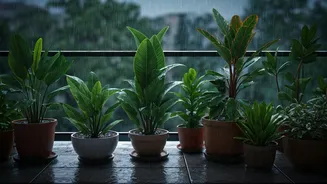
Not all plants enjoy a daily downpour. Succulents, cacti, and other fleshy-leaved plants are particularly prone to rotting in wet conditions and should be moved to a sheltered spot with bright, indirect light. Strong winds can also damage delicate stems and tall plants. Consider moving vulnerable plants closer to a wall or providing support with stakes. On the other hand, humidity-loving plants like ferns, peace lilies, and monstera will thrive and can be left to enjoy the rain.
Fertilise with Caution
Heavy rains can wash away essential nutrients from the soil in pots, leaving your plants hungry. However, this is not the time for aggressive chemical fertilising, which can damage wet roots. Instead, opt for slow-release organic fertilisers like vermicompost or well-rotted manure. Apply a small amount every few weeks to gently replenish the nutrients that have been leached out, ensuring your plants have the fuel they need for the lush growth spurred by the monsoon.