






The Old Model Is Fading
The foundation of India's IT success was built on a simple, powerful model: providing cost-effective talent for global firms, primarily for application maintenance and back-office support. This created millions of jobs and established India as the world's
outsourcing hub. However, this labour arbitrage advantage is diminishing. Automation and AI are increasingly capable of handling routine, repetitive tasks that once formed the bulk of entry-level work. Consequently, hiring for these junior roles is slowing down, with companies now looking for more than just the ability to execute pre-defined tasks. The industry is moving away from a headcount-based service model to one that values innovation and high-value problem-solving.
AI Is Your New Co-Worker, Not Your Replacement
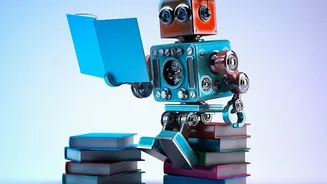
The conversation around Artificial Intelligence is often dominated by fears of job replacement. While it's true that AI is automating certain functions, the more immediate impact is its emergence as a powerful collaborator. Generative AI tools can now write code, debug systems, and handle routine queries in a fraction of the time it takes a human. This doesn't make the human engineer redundant; it liberates them. Professionals are now expected to leverage AI to handle the groundwork, allowing them to focus on more complex, strategic, and creative tasks that machines cannot. The demand is shifting from those who can perform a task to those who can design the system, manage the AI, and interpret its outputs to solve larger business challenges. This makes skills in prompt engineering and understanding AI workflows increasingly valuable.
The In-Demand Skills of Today
The skills that guarantee a competitive edge in 2026 and beyond are clear. Technical proficiency in high-growth areas is non-negotiable. Expertise in Artificial Intelligence and Machine Learning is at the top of the list, as companies across all sectors integrate these technologies. Closely following are Cloud Computing (across platforms like AWS, Azure, and GCP) and DevOps, which form the backbone of modern digital infrastructure. Cybersecurity is another critical area, with a massive talent shortage making skilled professionals highly sought after. Rounding out the technical must-haves are Data Science, Analytics, and Full Stack Development, which remain consistently in demand.
Beyond the Technical: The Rise of Soft Skills
As technical tasks become more automated, so-called 'soft skills' are becoming hard requirements. The ability to think critically, solve complex business problems, and communicate effectively with clients and team members is what now separates a good technician from a great one. Employers are looking for professionals who possess a 'product mindset'—the ability to understand the business context of their work and contribute to the overall product strategy, not just the code. Other crucial skills include client management, strategic thinking, emotional intelligence, and the ability to collaborate across different functions. These are the durable, human-centric skills that AI cannot replicate and are essential for moving into leadership and higher-value roles.
How to Future-Proof Your Career
Rethinking your skill set requires a proactive and continuous approach to learning. The era of getting a degree and then coasting is over; the shelf life of digital skills can be as short as two and a half years. Start by identifying the gaps between your current abilities and the in-demand skills listed above. Leverage online learning platforms and pursue industry-recognized certifications in areas like Cloud, AI, or Cybersecurity to build a strong foundation. However, don't just collect certificates. Apply your new knowledge by working on real-world projects, contributing to open-source, or seeking out cross-functional opportunities within your current organization. Building a portfolio of tangible work is what truly demonstrates your capability to potential employers. This shift demands a commitment to becoming a lifelong learner, staying curious, and adapting to the rapid pace of technological change.