







Malaysia: Seamlessly into Southeast Asia
Malaysia has positioned itself as one of the most accessible destinations for Indian tourists by extending its visa-free policy. Indian passport holders can enter and stay for up to 30 days without a visa for tourism purposes, a policy that is currently
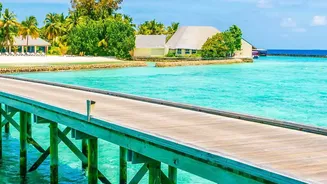
in place until the end of 2026. This waiver removes a significant layer of pre-trip planning and expense, making it easier to explore Kuala Lumpur's glittering skyline, Penang's culinary delights, and Langkawi's pristine beaches. To take advantage of this, travellers simply need to fill out the Malaysia Digital Arrival Card (MDAC) online within three days of their arrival. The convenience has made it a top choice for both short getaways and longer family vacations.
Thailand: The Land of Smiles is Visa-Exempt
A long-time favourite for Indian holidaymakers, Thailand has further simplified entry. Instead of a visa-on-arrival, Indian nationals are now on the visa-exemption list, allowing for a stay of up to 30 days. This change, confirmed in mid-2026 after some deliberation, means travellers can head straight to immigration without the need to queue or pay at a separate visa counter. The policy aims to boost tourism and strengthen bilateral ties. Whether you're drawn to the vibrant street life of Bangkok, the tranquil temples of Chiang Mai, or the stunning beaches of Phuket and Krabi, getting there has never been more straightforward. Travellers should, however, always check for the latest updates before booking as policies can be revised.
Sri Lanka: A Gem Next Door
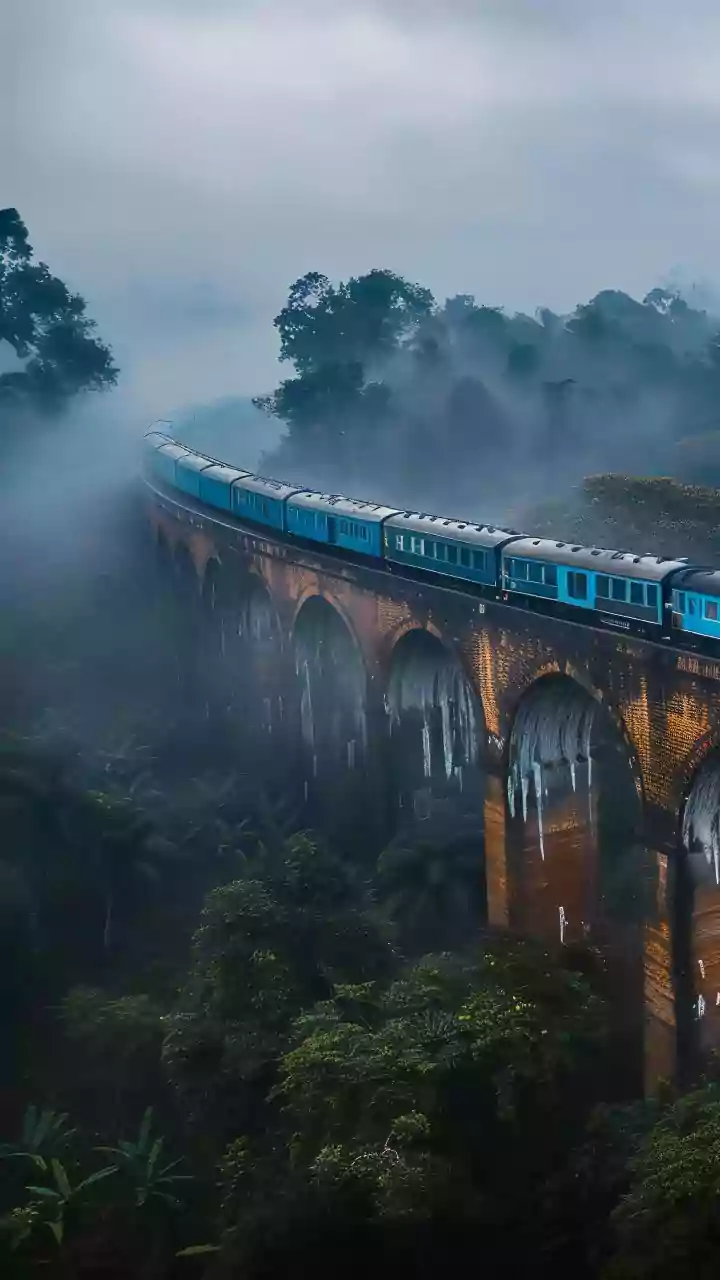
Our island neighbour, Sri Lanka, continues to offer a highly convenient entry process for Indian citizens. While there was a free visa scheme announced, the current and most straightforward system requires obtaining an Electronic Travel Authorisation (ETA) online before departure. This process is quick, entirely digital, and allows for a stay of up to 30 days. The ETA system means no embassy visits or lengthy paperwork. With just a few clicks, travellers can be approved to explore Sri Lanka's rich tapestry of ancient cities, lush tea plantations, and beautiful coastlines. It’s a perfect destination for those seeking a quick and culturally rich international break.
Kenya: An African Safari Adventure Awaits
In a bold move to open its borders, Kenya has replaced its visa system with a universal Electronic Travel Authorisation (eTA) for all international visitors, including Indians. While this is not completely visa-free, the process is streamlined, and the goal is to make entry smoother. The eTA must be obtained online before travel. This opens up the gateway to a once-in-a-lifetime experience, from witnessing the Great Migration in the Maasai Mara to exploring the national parks of Amboseli and Tsavo. The shift to an eTA system simplifies what was often a more complex visa process, making Kenya's incredible wildlife and landscapes more accessible to Indian adventurers than ever before.
Iran: A Journey Through Persian History
Iran has opened its doors to Indian tourists with a visa-waiver program, allowing a 15-day stay for tourism purposes without needing a visa. This applies to travellers arriving by air and is valid for a single entry every six months. This initiative provides a unique opportunity to explore a land rich with ancient history, from the magnificent ruins of Persepolis to the stunning architecture of Isfahan and the bustling bazaars of Tehran. The visa exemption is specifically for tourism, and travellers must enter and exit via an airport to be eligible. It's a significant step in making this culturally profound destination more accessible.
A World of Possibilities
Beyond these popular spots, the list of visa-friendly countries for Indians is constantly growing. Destinations across the Caribbean like Barbados and Jamaica, other African nations such as Mauritius and Seychelles, and Pacific islands like Fiji offer visa-free entry or visa-on-arrival facilities. These policies not only save time and money but also encourage more spontaneous travel, allowing Indians to explore a wider range of cultures and landscapes. The trend reflects a growing recognition of India as a major source market for tourism, with countries competing to simplify entry for its burgeoning class of global travellers.